

Fertilization following pollination predominantly decreases phytocannabinoids accumulation and alters the accumulation of terpenoids in Cannabis inflorescences
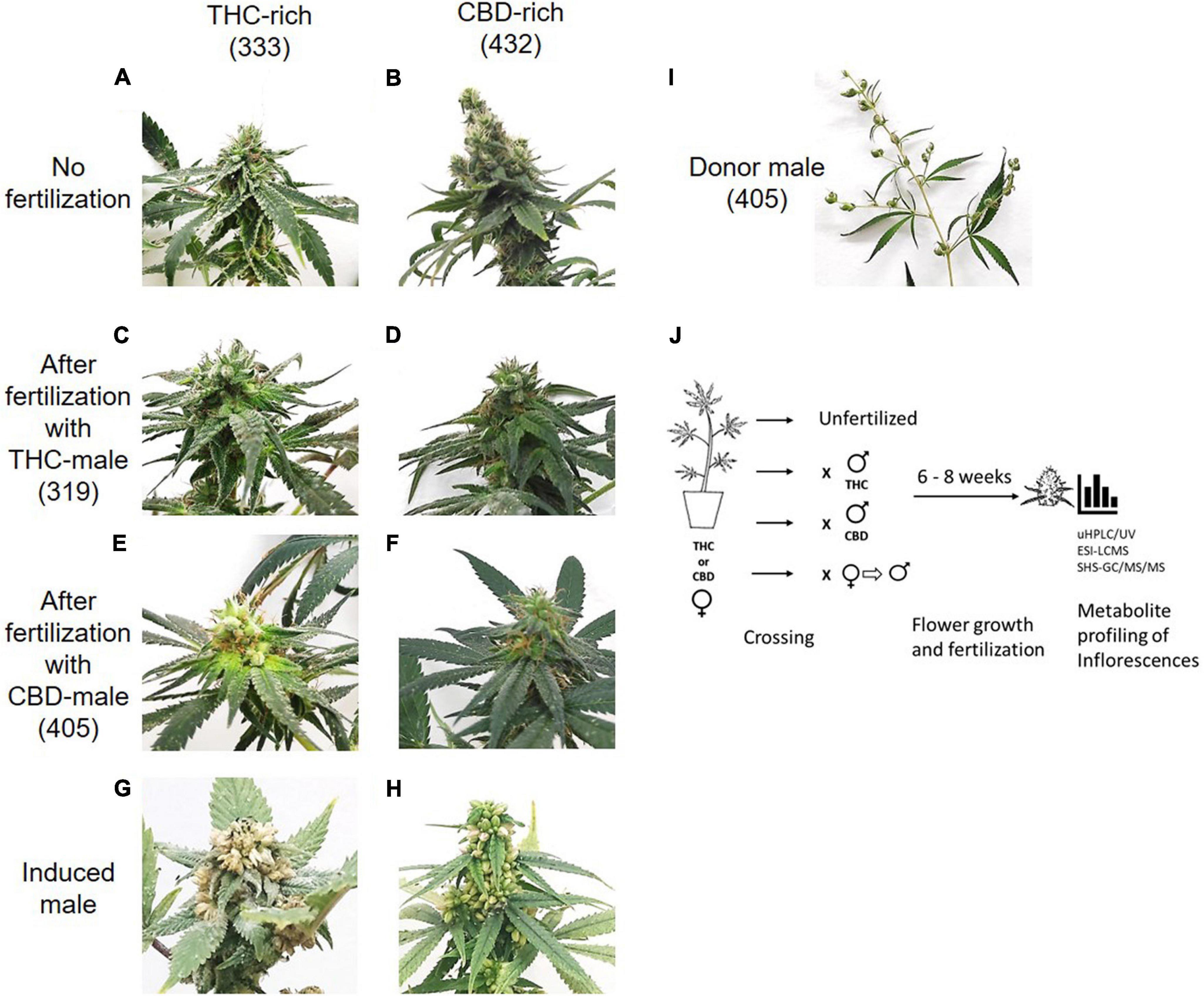 In this 2021 paper published in Frontiers in Plant Science, Feder et al. present the analytical results of Cannabis inflorescences that have been pollinated and fertilized, in an attempt to show that fertilization can affect phytocannabinoid accumulation, among other goals. Noting that growers have recently shifted to using seeds, which can despite feminization reveal to be male seeds five to ten percent of the time, the authors note that this type of research—rarely conducted—is particularly critical to answering questions about how pollination effects phytocannabinoid and terpenoid expression. After providing background information and reviewing materials and methods for their analyses, the authors discuss the results, noting in particular that "phytocannabinoid quantity predominately decreases after fertilization," terpenoid quantity can vary based upon the type of female plant, and that "individual terpenoid concentrations are differentially affected by fertilization." After further discussion, they conclude not only the three prior-mentioned findings, but they also by extension suggest that their findings indicate the "functional roles" of phytocannabinoids and terpenoids in Cannabis's plant life cycle.
Research Scientist II
*Apply online at https://www.arlok.com/careers
Summary
The position requires the performance of variety of task including development and validation of analytical method, manage variety of research projects, and qualitatively/quantitatively testing client samples. This position requires knowledge of commonly used concepts, practices, procedures, and instrumentation used in a chemistry laboratory. …
Error evaluation in the laboratory testing process and laboratory information systems
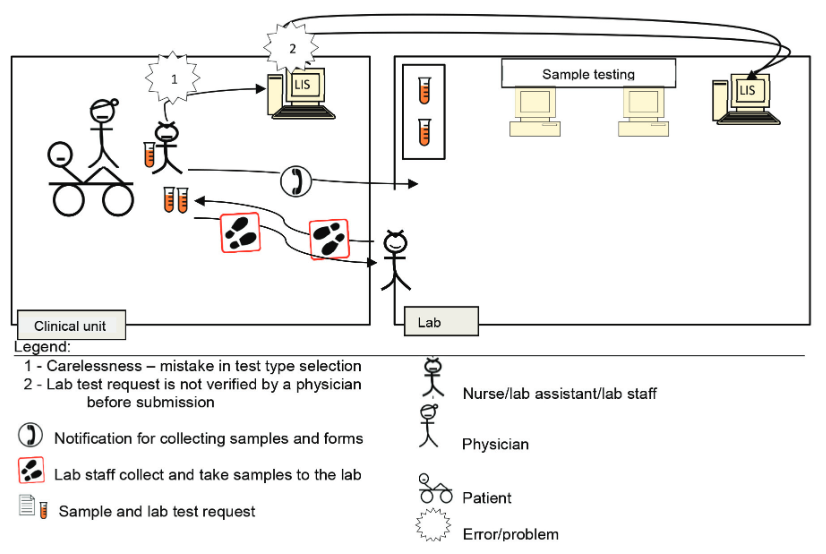 In this 2021 journal article published in Journal of Medical Biochemistry, Arifin and Yusof of Universiti Kebangsaan Malaysia examine the error factors that come with using a laboratory information system (LIS) and propose the "total testing process for laboratory information systems" (TTP-LIS). This process leans on a variety of existing frameworks and lean quality improvement methods to meet the authors' needs and is applied to two large hospitals in Malaysia. After examining human, technology, and organizational factors, the authors discuss their findings, noting that their "findings showed the practicality of the TTP-LIS framework as an evaluation tool in identifying errors and their causal factors. The use of lean tools—namely, VSM, A3, and 5 Why—enabled us to analyze and visualize the root cause of problems in an objective and structured manner. " Those root causes were able to be categorized in three ways: "as a latent failure in system development, as poor error management, and as unsatisfactory lab testing processes and LIS use."
GoMeyra Announces Partnership with Alliance Health
GoMeyra, an innovative cloud software company dedicated to providing enterprise technological solutions for medical laboratories, announces a partnership with Alliance Health that will exponentially increase the COVID-19 testing company’s capacity.TraxStar Technologies Revolutionize Lab Management with New Suite of Products
TraxStar has unveiled a suite of new products to expand its lab management capabilities. These new products include APIs, Configuration Manager, and Automated Scheduling. APIs are allowing for powerful data access across lab tools.Agaram Integrates SaaS to Its ELN to Provide Cost-Effective, Scalable Out-of-the-Box Solutions for Labs
Agaram Technologies recently launched the SaaS model of their Logilab ELN software service.Case Study: LabWare LIMS Implementation for a Global CRO
 A global contract research organization (CRO) specializing in clinical research was faced with a 25-year-old laboratory informatics system (LIMS) that was central to running their core business. This legacy system had been designed in-house, primarily by the business user community, in an ad hoc manner.
[Read More]
Can One LIMS Cover All Your Needs?
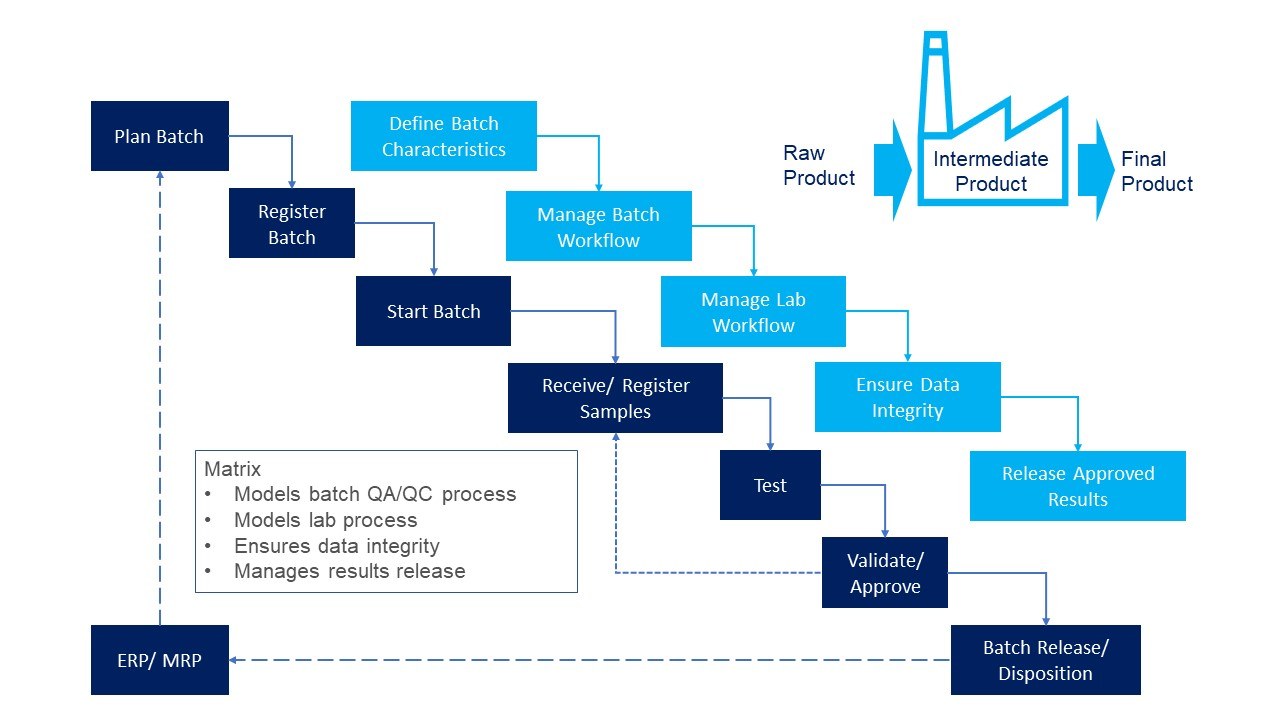 LIMS can cover many different requirements in your business. But can one LIMS cover all of them?
Are you constantly surprised by the variety of work your laboratory is asked to do? While the main purpose of your lab may be to test the quality of manufactured products...
[Read More]
Laboratory Informatics Weekly Update – Volume 19, Issue 46
November 17, 2021 Laboratory Informatics Weekly Update Volume 19, Issue 46 In This Issue Featured Books The Complete Guide to LIMS and Laboratory Informatics: 2021 Edition Featured Content 11/17/2021 - Case Study: LabWare LIMS Implementation for a Global CROA global contract research organization (CRO) specializing in clinical research was faced with a 25-year-old laboratory informatics system (LIMS) that was central to running their core business. This legacy system had been designed in-house, primarily by the business user community, in an ad hoc manner. [Read More] 11/17/2021 - Can One LIMS Cover All Your Needs?LIMS can cover many different requirements…The cannabis terpenes
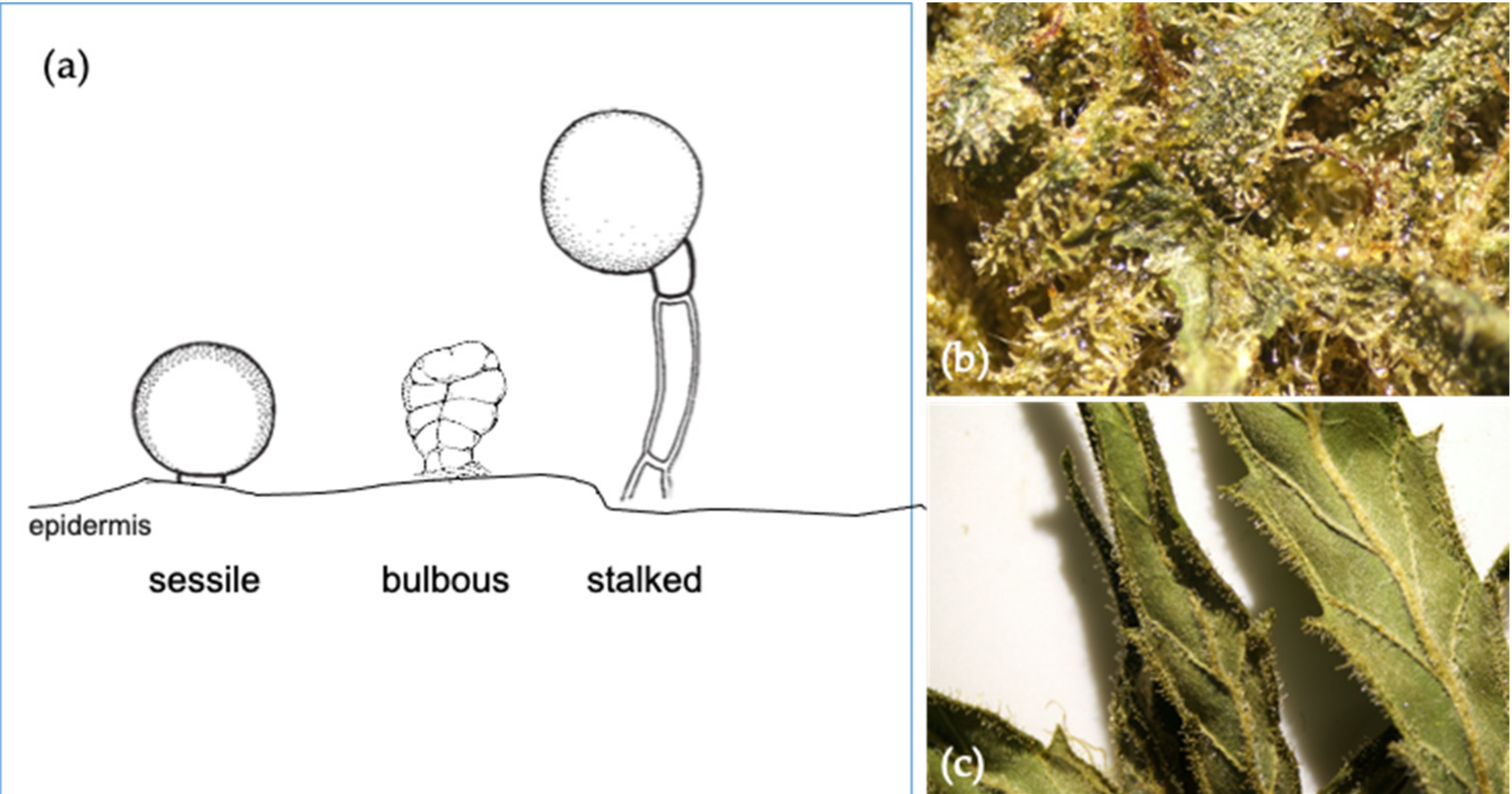 When it comes to analyzing the Cannabis plant and its constituents, terpenes are one such component that hasn't been well studied until recent years. But as Sommano et al. note in their 2020 paper published in Molecules, "a growing number of industries have shown interest in adding either cannabis terpenes or botanically-derived terpenes to their CBD oils and edibles." This has resulted in demand for further study of terpenes and how they interact with other constituents. The authors present a broad look at terpenes in their paper. examining the taxonomy and localization of terpenes from Cannabis plants, their biosynthesis, and their prevalence in certain chemovars. They close by briefly discussing separation of terpenes, and concluding that "terpene profiles not only embody the characteristics of cannabis genotypes, but their entourage effect with cannabinoids could enhance their medicinal functionality."
What is Enterprise Content Management?
 Enterprise content management (ECM) is a type of software that helps organizations capture, store, activate, analyze, and automate unstructured business data into valuable information. ECM solutions can be deployed on-premises, in the cloud, or as a hybrid deployment.
[Read More]
Autoscribe Informatics Appoints Katalysis Scientific Instrumentation as its Distributor for Matrix Gemini LIMS in Brazil
 Autoscribe Informatics is delighted to announce that it has appointed Katalysis Scientific Instrumentation as its distributor in Brazil to sell, configure and support the Matrix family of Laboratory Information Management System (LIMS) products.
[Read More]
Maximizing the Value of your Lab Data with Digital Transformation & Automation
 The huge amounts of data that laboratories in every sector of industry generate are a key asset for an organization. Maximizing value from that asset is, however, a major challenge. Today’s laboratory environment is commonly stacked with many different types of instruments and software from multiple vendors.
[Read More]
Choosing the Best LIMS: How to Apply an Effective Data-Driven Selection Process
 Laboratories shopping for a LIMS may find themselves overwhelmed or unsure of how to navigate the market. Learn about an efficient 4-step data-driven process that ensures you select the most optimal LIMS for your lab.
[Read More]
How Much Does a LIMS Cost?
 Any organization that’s thinking about implementing a LIMS in their lab wants to know “How much does a LIMS cost?” This is a very good question. Coming up with an answer is more complicated than you might realize, and depends on what the best LIMS is for your situation.
[Read More]
Laboratory Informatics Weekly Update – Volume 19, Issue 45
November 10, 2021 Laboratory Informatics Weekly Update Volume 19, Issue 45 In This Issue Featured Books The Complete Guide to LIMS and Laboratory Informatics: 2021 Edition Featured Content 11/10/2021 - What is Enterprise Content Management?Enterprise content management (ECM) is a type of software that helps organizations capture, store, activate, analyze, and automate unstructured business data into valuable information. ECM solutions can be deployed on-premises, in the cloud, or as a hybrid deployment. [Read More] 11/10/2021 - Autoscribe Informatics Appoints Katalysis Scientific Instrumentation as its Distributor for Matrix Gemini LIMS in BrazilAutoscribe Informatics is delighted to announce that it has…Laboratory demand management strategies: An overview
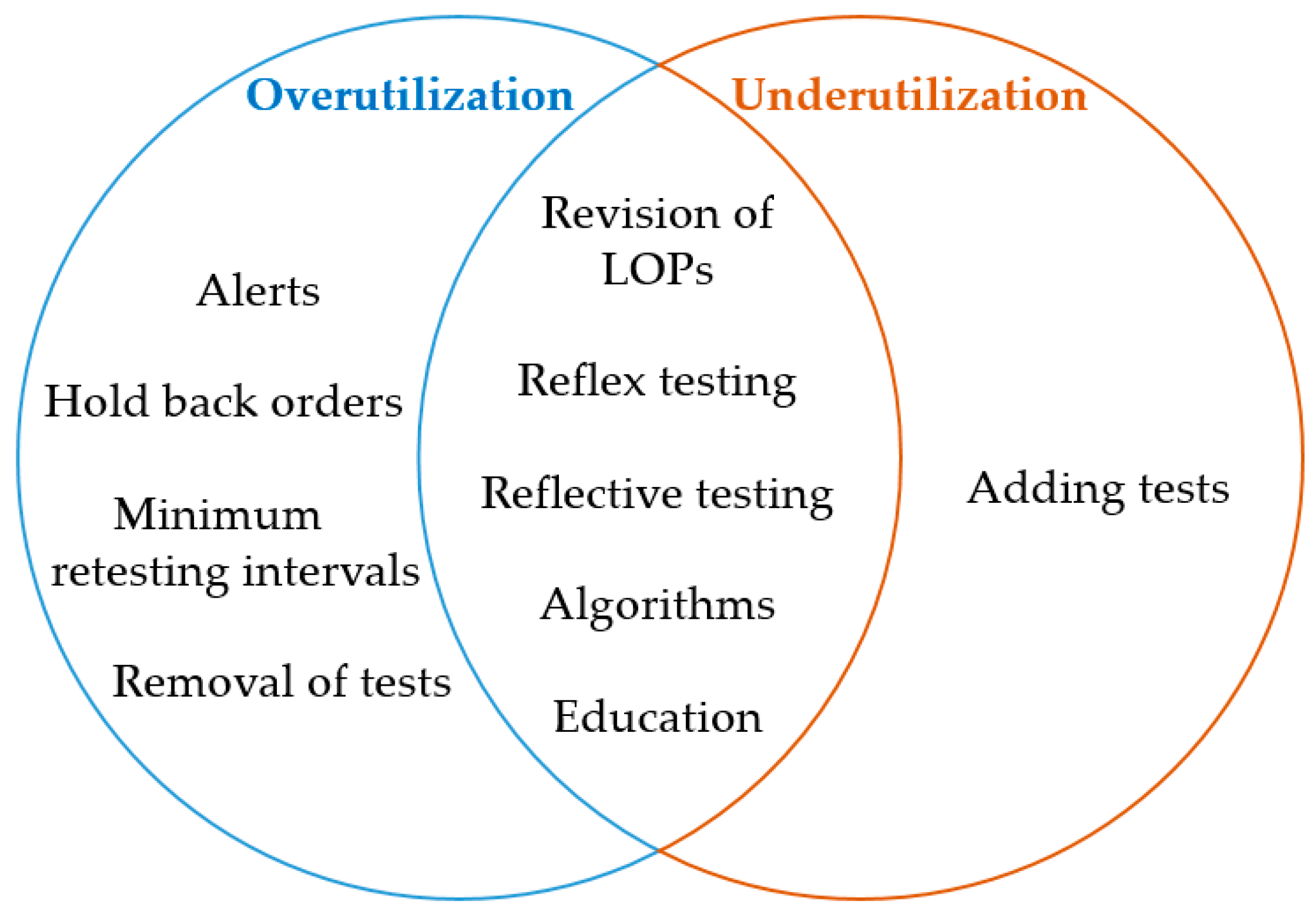 In this 2021 article published in the journal Diagnostics, Mrazek et al. of the Paracelsus Medical University provide a review of the available demand management (DM) strategies available to laboratorians and clinicians for avoiding inappropriate utilization of specific laboratory diagnostics. The authors provide 10 potential strategies toward that goal, including the likes of more practical order entry alerts, better utilization of the laboratory information system (LIS), outdated test removal, relevant test addition, and artificial intelligence (AI) algorithms, to name a few. However, whatever methods are implemented, the authors note that it's vital for demand management strategies "to be adapted to local settings." Additionally, given that many of the strategies may be unduly time-consuming, they "believe that AI solutions are the next logical step, aiding in the development as well as improvement of DM strategies, as they could help to manage large data sets." However, even AI has its caveats, as "a tool of assistance," they add.
OnQ Software at Lab Innovations Conference in Birmingham this Week
 Lab Innovations 2021 is finally here and we look forward to welcoming everyone to our booth on November 3rd and 4th at the NEC in Birmingham.
How Your Laboratory Can Overcome Labor Shortages
 The labor shortages sweeping the US and other parts of the world extend to the diagnostic laboratory space as well. The diagnostic laboratory industry was already short on qualified people to fill the key roles required under CLIA.
[Read More]
Key Elements of a Digital Transformation of Supplier Quality Management
 Digital transformation is the incorporating of innovative technologies, talent, and processes to improve operations of a business and ensure customer satisfaction. In the Life Sciences industry, a critical area to target relative to a digital transformation is the supplier quality management function.
[Read More]

