

Operationalizing Machine Learning in the Laboratory
 In previous blogs we have shown how the Data Analytics Solution can be utilized in many different laboratory scenarios to help identify bottlenecks using Business Intelligence Capability, and then reduce testing and forecast sample throughput using the Machine Learning Capability. In this blog we will show how the Machine Learning (ML) models that have been built can be automatically trained, and how they can be operationalized within Thermo Scientific™ SampleManager™ LIMS itself – without the need to utilize external applications or platforms. [Read More]
Laboratory Informatics Weekly Update – Volume 20, Issue 41
October 12, 2022 Laboratory Informatics Weekly Update Volume 20, Issue 41 In This Issue Featured Books LIMSjournal - Fall 2022 Featured Content 10/12/2022 - What Should You Realistically Expect to Pay for a LIMS?Whether a lab is selecting a LIMS for the first time or replacing an old system, there are many factors that will affect the total cost of the new LIMS. Learn more about what your lab needs to consider so you can budget effectively and avoid unwanted surprises. [Read More] 10/12/2022 - Guide to Lab Security with a LIMS Cybercrime is so pervasive that new data…Quality and environmental management systems as business tools to enhance ESG performance: A cross-regional empirical study
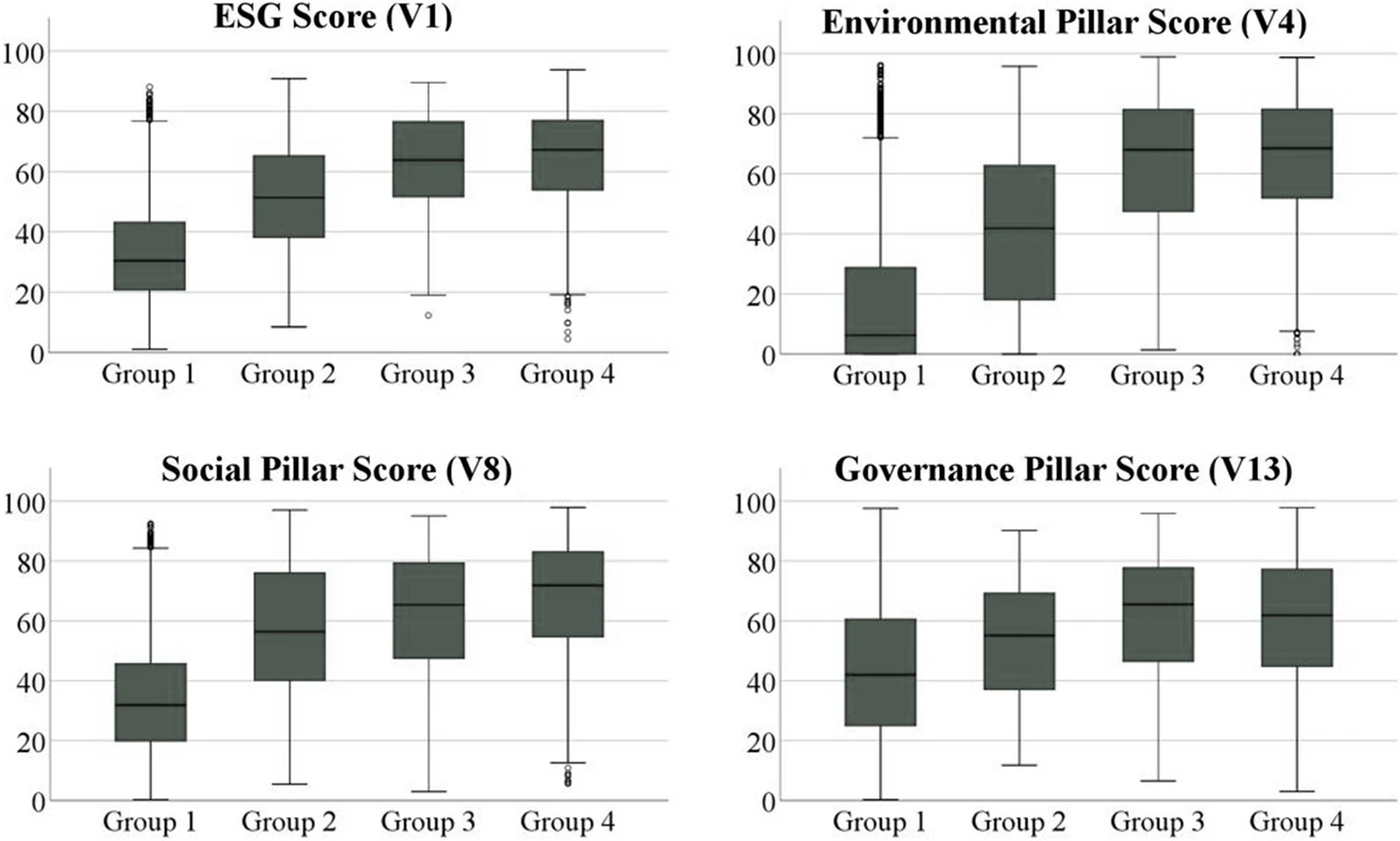 While this 2022 article published in Environment, Development and Sustainability isn't directly about laboratories and informatics system, its discussion of quality management systems (QMSs) and environmental management systems (EMSs) remains highly relevant to the regulatory- and competition-driven laboratory of today. As Ronalter et al. note, "growing societal and political focus on sustainability at the global level" places further pressure on businesses "to enhance their environmental, social, and governance (ESG) performance to satisfy respective stakeholder needs and ensure sustained business success"; laboratories and even laboratory software developers are not exempt from these pressures. The authors directly connect QMSs and EMSs to ESG performance in this paper, while highlighting "how combining these management systems can impact a corporation’s sustainable performance." Their study of ESG data is presented, and they conclude that adoption of such management systems "leads to positive developments" in workforce management, customer management, and supplier and stakeholder management, as well as in environmental efforts.
Scientist IV, Infrastructure Analytical Development
The basic purpose for the role of the Scientist IV is to work within a team in Analytical Development to support global innovation and product development. The role involves management of stability studies, raw material qualification (both internally and externally), reference standard qualification, performing key-user roles in digitization platforms, and improving internally established processes in terms of quality culture, good documentation practices, and GxP compliance.…
Minimize Cross-contamination in Food Testing Labs with a LIMS
 In over two decades, we find the real consequences of cross-contamination in the food supply have added up.
Food contamination is a widespread occurrence, with ramifications leading to bacterial outbreaks, allergic reactions, and many other negative side effects. According to the Centers for Disease Control and Prevention (CDC)3, one in six Americans contracts a foodborne disease each year, leading to 3,000 annual deaths. The United States Department of Agriculture (USDA) highlighted that foodborne diseases cost the country more than $15.6B annually. [Read More]
Introducing Labbit, the Intelligent Lab System
 Regular readers of Semaphore’s blog know that over the last decade we’ve spent hundreds of thousands of hours building software for some of the most innovative, fastest growing laboratories in the world. With Labbit Intelligent Lab System, we’ve achieved the perfect combination of our proven methodology, tried-and-true technologies that we use every day as software developers, and technologies that are long overdue for introduction into lab informatics.
[Read More]
Enhanced Stability Management with QLIMS
 Managing stability studies is becoming more important for all food & beverage companies as well as pharmaceutical-related businesses.
QLIMS’ latest update to its Stability Manager keeps our customers ahead of future needs.
A completely new Stability Dashboard keeps track of all activities and gives the users and lab management an inside view of the active studies, all on one screen. [Read More]
Advanced Analytics and Simulation – Their Impact on a Digital Transformation of Life Sciences
 Advanced analytics provides the foundation for automating decisions by applying next generation methods to solve business problems. The methods utilized produce quantitative, sophisticated insights that are unlikely to be obtained through traditional approaches like business intelligence (BI). Diagnostic, predictive, and prescriptive analyses leverage artificial intelligence techniques, such as machine learning to make sense of and learn from data. [Read More]
Empower 3 Implementation – The 4 Dos and Don’ts
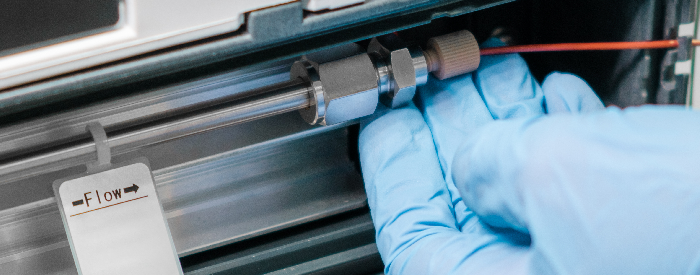 A chromatography data system (CDS) is quite prevalent in life sciences laboratories today. The software enables multivendor controls of instruments that perform gas and liquid chromatography, mass spectrometry, and even ultra-performance liquid chromatography. If you are implementing a Waters Empower™ CDS for the first time or upgrading an existing system, there are many pre-implementation activities to think about and perform to increase success with an Empower implementation, deployment, and validation. [Read More]
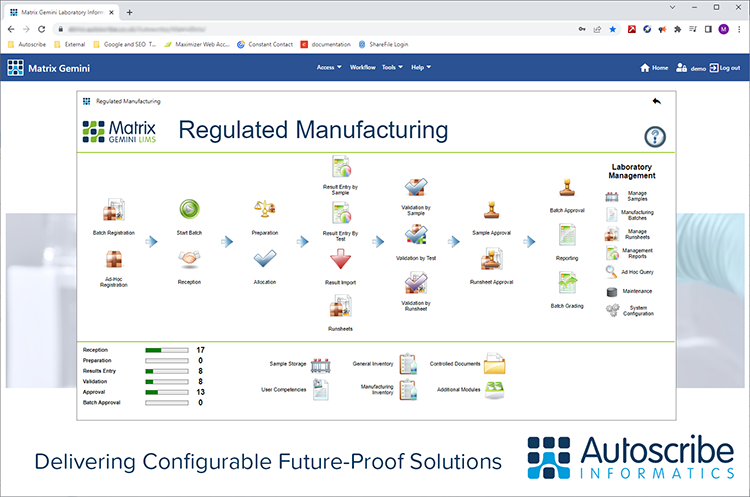
Autoscribe Informatics Announces 3Q22 LIMS Starter Systems Release
Clinisys completes combination of Sunquest, HORIZON and ApolloLIMS businesses
 Clinisys today announces it has completed the combination of Sunquest Information Systems, HORIZON Lab Systems, and Apollo LIMS under its singular brand. The completion marks a new chapter for Clinisys, expanding its global presence and breadth of expertise to enable healthier communities through the transformation of the modern laboratory. [Read More]
LIMS for Government Regulatory Labs
 Government regulatory labs like the official medicines control labs perform control testing of various biological substances like vaccine, blood products and immunological substances. These labs perform testing on almost every batch to be released in European market. The process of product batch release involves the analysis of finished product batch along with raw materials and ingredients used in the process of manufacturing and preparation of such products. [Read More]
Laboratory Informatics Weekly Update – Volume 20, Issue 40
October 5, 2022 Laboratory Informatics Weekly Update Volume 20, Issue 40 In This Issue Featured Books LIMSjournal - Fall 2022 Featured Content 10/12/2022 - What Should You Realistically Expect to Pay for a LIMS?Whether a lab is selecting a LIMS for the first time or replacing an old system, there are many factors that will affect the total cost of the new LIMS. Learn more about what your lab needs to consider so you can budget effectively and avoid unwanted surprises. [Read More] 10/12/2022 - Guide to Lab Security with a LIMS Cybercrime is so pervasive that new data…Cloud Computing Security
 This is a University of Maryland Global Campus (UMGC)-created course that is released on the edX platform. The eight-week course is designed to help learners "[l]earn how to build a security strategy that keeps data safe and mitigates risk" in the cloud. The course is free to take and is a part of the university's MicroMaster's program. A verified certificate of completion is available afterwards for $299 USD. A session will start November 1 and end December 27.
PIKAChU: A Python-based informatics kit for analyzing chemical units
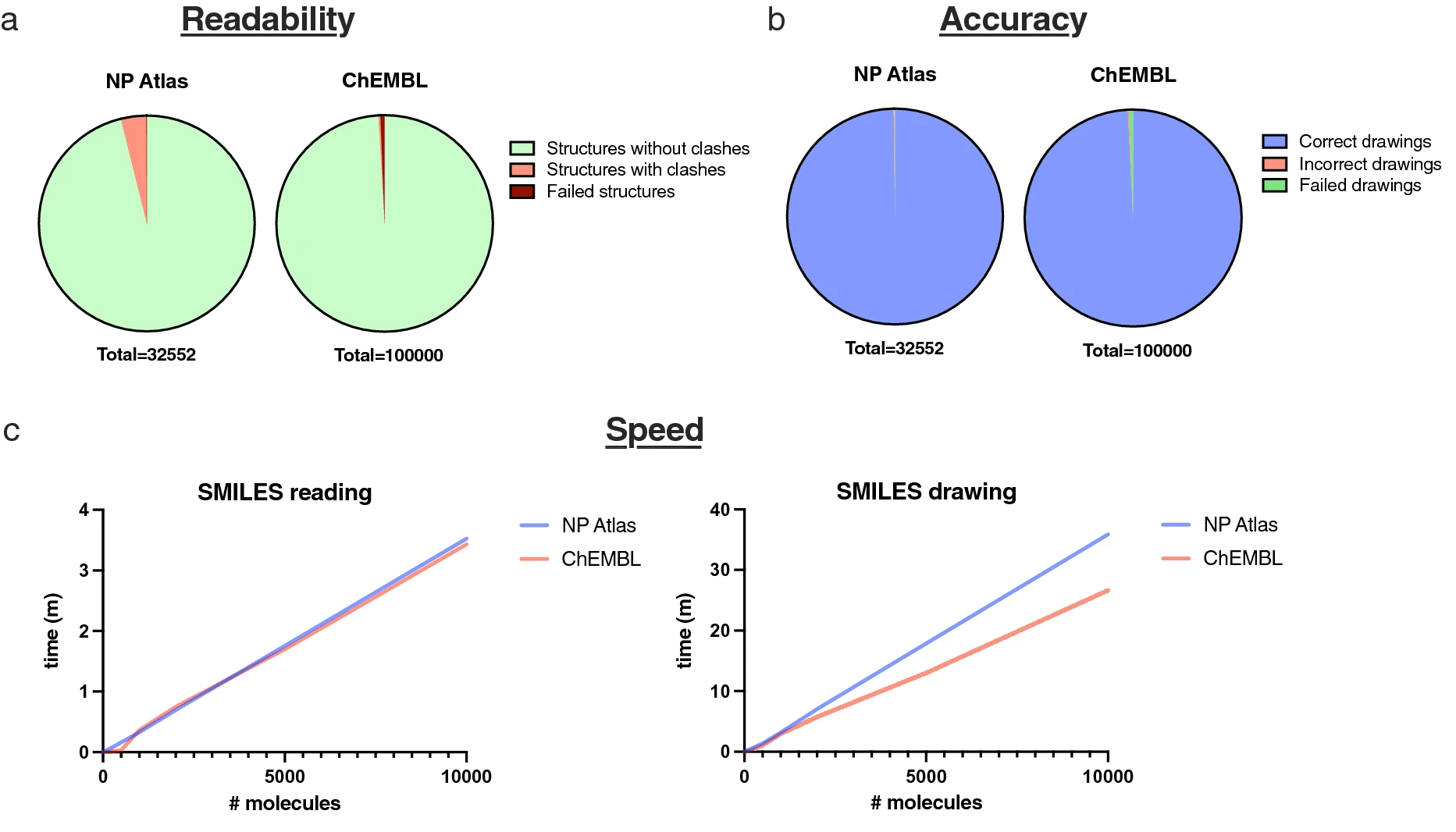 In this 2022 paper published in the Journal of Cheminformatics, Terlouw et al. of Wageningen University present details of their custom-developed Python-friendly cheminformatics solution that is largely free of major software dependencies. Noting a lack of such a system for chemical informatics Python developers, the authors developed this open-source solution and provide details about its development and use. After providing details about its practical use, they conclude that "while RDKit heavily outperforms PIKAChU in terms of speed, PIKAChU performs sufficiently fast and reliably to be suitable for cheminformatics and bioinformatics pipelines" and provides "a convenient alternative for chem- and bioinformaticians programming in Python."

