
Microbiology labs are critical in ensuring food and beverage safety. A purpose-built LIMS helps streamline operations for food-safety-oriented microbiology labs with well-developed and standardized sampling and test methods. Factors like flexibility, data integrity, and integration capabilities with monitoring devices help enhance efficiency, data integrity, and regulatory compliance.
[Read More]

With countless systems, complex workflows, and vast amounts of data, navigating the complex world of informatics is enough to make your head spin. Homegrown systems and disconnected data silos decrease productivity and increase risk in already complicated industries. Laboratory Information Management Systems (LIMS) are essential for productivity in laboratory testing, helping teams manage samples, workflows, and inventory to keep processes and workflows moving forward.
[Read More]

Interconnected systems and data are what the future lab will run on. If you want to bring your lab into the future, an AI-enabled and voice-powered digital lab assistant like LabTwin can be a foundational step. LabTwin’s 95% accuracy with voice capture means that you can be confident that your data is accurately transcribed. In this blog post, you’ll learn how the AI features in LabTwin can help when you adopt a digital lab assistant to bring your organization closer to the Lab of the Future today.
[Read More]

A well-deployed LIMS can have a myriad of benefits for your R&D laboratory. From operational efficiency to speed to market, LIMS can play a vital role in these and other mission critical business and scientific processes. This white paper takes a close look at some of the key ways in which a LIMS should be deployed and used to reap the most benefit in your lab.
[Read More]

Artificial intelligence (AI) is a term we see and hear a lot nowadays. It is associated with the things surrounding us daily: home electronics, cars, public transportation, shopping, etc. Has this trend reached the benches of the general research and development (R&D) lab yet? Can AI make the lives of R&D lab analysts easier? Well, yes, but not in all aspects of the work—at least not yet. This blog looks at potential applications of AI in R&D labs today and where it might still need to improve.
[Read More]

LIMS are evolving rapidly, driven by technological advancements and the changing needs of modern laboratories. Keeping up with these trends is crucial for laboratories looking to enhance their efficiency, data management, and compliance. In this article, we’ll explore some of the trends in LIMS.
[Read More]

Materials testing is as diverse as the available material types and industrial applications of those material types, and such testing is found across a wide variety of domains. from automotive and aerospace to metals and rubbers. Materials science testing methodologies can be divided into destructive or non-destructive analysis of physical, mechanical, chemical and biological properties.
[Read More]

Businesses in the life sciences sector are navigating complex decisions regarding their laboratory data management. They face demands for data accuracy, compliance, and integrity that drive decisions about data platform use. A platform serves as a bespoke hub for data regardless of which or how many data sources are involved. Your platform choice can be a game changer for accessibility, flexibility, and data management as the life sciences industry adapts to technological advancements.
[Read More]

A construction & engineering lab can involve many test methods defined by various accreditations and regulations, benefiting from various LIMS functionalities. Many LIMS vendors will already provide support for unique sample IDs, user qualification management, and data import and export. However, FAQ examines more specific functionality specific to a construction and engineering laboratory.
[Read More]

With over 14 years of working with STARLIMS, Senior Business Solution Architect at Bayer AG, Tassilo Steffl, knows how to get the most value out of a laboratory information management system (LIMS). In this fireside chat with STARLIMS Chief Strategy & Marketing Officer Brandon Henning, Tassilo discusses some of the key takeaways and benefits from the partnership with STARLIMS.
[Read More]
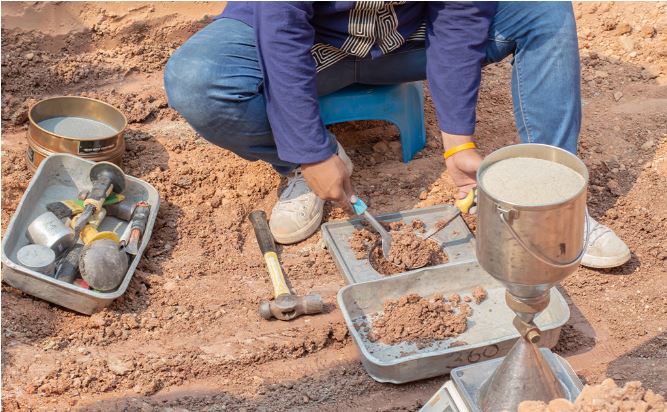
The proper quality and characterization of construction and engineering materials is critical to a construction project’s long-term success. The analysis of construction and earth materials is driven largely by society’s desire for safer, more durable structures to live, work, and play in. This testing benefits society by saving lives and reducing pre-construction, construction, and post-construction costs.
[Read More]

Recognizing the importance of quality and safety management at all levels of the food and beverage business, seven principles are discussed, highlighting how they relate to overall quality and safety. A LIMS can be a vital component to an overall quality and safety management plan within the food and beverage laboratory for improved quality and safety while minimizing risks.
[Read More]

In the dynamic realm of core labs, where the focus is on unravelling the mysteries of omics—proteomics, genomics, and sequencing—the quest for groundbreaking discoveries is ceaseless. Core labs play a pivotal role in revealing new drug targets, diagnostic methods, and personalised drug therapies, driving the advancement of medical science. This brings to mind the big question “
How to improve core lab operations?”.
[Read More]
Compliance with industry regulations is non-negotiable in the fast-paced and highly regulated realm of life sciences. Navigating the intricate web of rules and standards is essential to ensure product and service safety, efficacy, and quality. This blog seeks to unravel the complexities of compliance regulations in the life science sector, providing a comprehensive understanding for professionals and organizations operating within this dynamic field.
[Read More]

As consumers, we have a habit of purchasing products with features that fix the symptoms we are experiencing – an approach that often impacts our business choices too. But when it comes to solving laboratory challenges, we need to fully understanding the problem we’re trying to solve and the opportunities we want to harness. Key to this is answering the ‘why’ questions.
[Read More]

Like other materials testing labs, construction and engineering laboratories have standards and regulations that affect their activities, though these are heterogeneous due to differences across local, state, and national accrediting/regulating bodies. These regulations and guidelines mandate a certain level of quality and safety in whatever is getting constructed, as well as where it’s getting constructed.
[Read More]
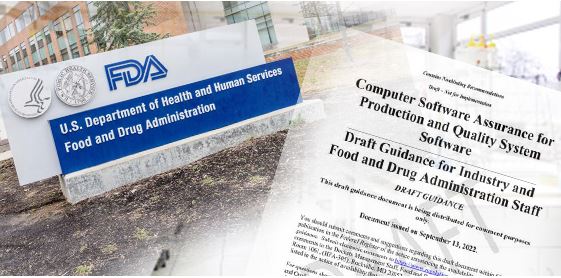
The FDA’s Case for Quality initiative seeks to shift the focus from validation as a check-the-box regulatory activity to one that centers around quality. The shift will ensure that patients and end users have access to safe, effective care. The FDA issued the Computer Software Assurance (CSA) draft guidance in September 2022 to make validation of regulated systems less burdensome and more strategic. This blog will look at what we know about CSA—the good news is that our clients shouldn’t notice many changes in our validation approach.
[Read Now]
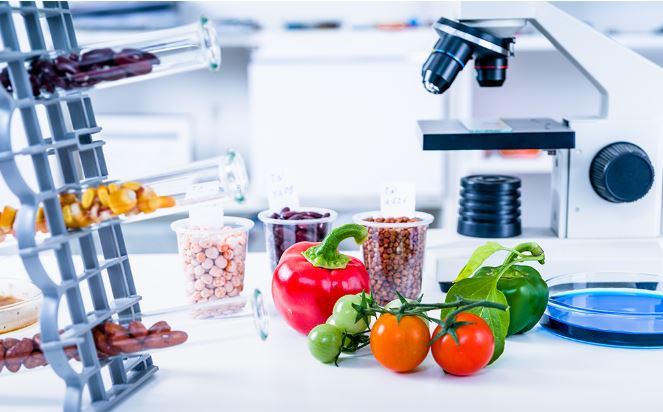
The types of testing found in a food and beverage laboratory can be quite diverse depending on the role the laboratory plays within the industry. Together, these labs and their strict test methods serve the populace by better ensuring the safety and security of the foods, beverages, and ingredients we depend on.
[Read Now]
As laboratories continue to grapple with an increasing volume of data, implementing a solution becomes a necessity. LIMS is a solution designed to help laboratories manage their data effectively. With the increasing volume of data generated in labs, LIMS offers advanced features to streamline workflows and improve data accuracy. From sample collection to analysis, LIMS ensures seamless integration of data across the entire laboratory workflow. In this blog article, we will examine how LIMS optimises data management in laboratories.
[Read Now]
Establishing collection and sample management protocols for pervasive per- and polyfluoroalkyl substances (PFAS) is time consuming and complex for laboratories worldwide. PFAS testing requirements and legislation are rapidly developing as scientists build a better understanding of the impact of these chemicals. And the pressure is on laboratories to meet these changing demands. So, why is PFAS testing on the rise and how can we support analytical testing laboratories in meeting this challenge?
[Read Now]


