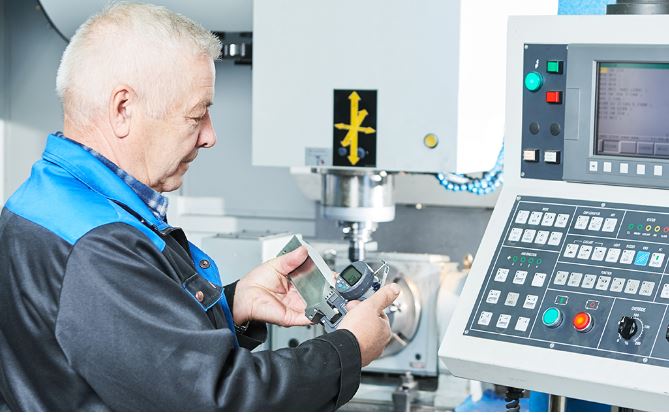
A LIMS for material testing labs manages samples, data, quality control, compliance, and more for ensuring high-quality, reliable results. Materials testing can involve a multitude of test methods defined by a variety of accreditation and regulatory requirements. This FAQ examines the LIMS functionality most valuable to a materials testing laboratory, including specialty functionality that not all LIMS vendors may provide.
[Read Now]

A LIMS for the food and beverage industry is important for meeting safety, quality, and compliance goals. Base functionalities include audit trails, document management, trend and control charting, non-conformance tracking and alerting. More specialized functionalities can include recipe and batch management, molecular biology workflows, on-demand environmental testing, and incident management.
[Read More]
Eremid® Genomic Services, a specialty high-complexity CLIA-certified and CAP accredited genomics contract research organization (CRO), was in the process of streamlining their research and clinical laboratory workflows. The complexity and unique individual nature of their projects required a laboratory information management system (LIMS) that could support and manage the diverse portfolio of clinical and research-focused needs of their clients.
[Read More]
 Is your lab still trapped by Excel spreadsheets or clinging to outdated LIMS? It’s time to embrace the future. A new, upgraded LIMS is the key to a tomorrow-ready lab. With the latest features at your disposal, it’s a game-changer that can skyrocket your lab’s operational efficiency. Say goodbye to rigid processes and hello to flexibility, saving significant time and money while achieving your lab’s specific goals. [Read More]
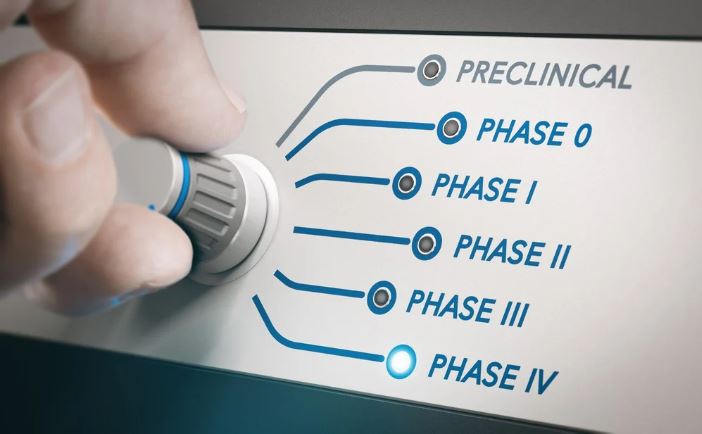
There is no denying that technology is continually advancing. This will affect the scope of clinical research in 2024. While we learn to adapt and implement these technologies in our everyday lives, the clinical research field is working to capitalize upon these advancements for optimal benefits. Technology trends in clinical research continue to evolve at a very fast pace. Over the last decade we have seen a movement towards cloud computing which has resulted in the pervasive deployment of decentralized clinical trials.
[Read More]

Transitioning to cloud architecture can offer a multitude of benefits to laboratory adopters. However, there are still significant questions to address and tangible deployment at scale has been rare. Cloud technology adoption is likely to be gradual, and yet it is only once laboratories deploy to the cloud that will they be able to realize the full potential of laboratory information system (LIS) or laboratory information management system (LIMS) software.
[Read More]
In the constantly evolving world of laboratories, it is crucial to adapt to the future to maintain excellence. Laboratories that adopt Software as a Service (SaaS) LIMS are at the forefront of innovation. Unlike traditional on-premises installations, SaaS LIMS is a flexible solution that ensures laboratories remain future-proof. Let’s delve into the transformative capabilities of SaaS LIMS and explore how it revolutionizes the way labs operate and evolve.
[Read More]
Accreditation to and compliance with ISO/IEC 17025 drive laboratory quality, which in turn better meets the requirements of the lab's customers. ISO/IEC 17025, and its quality focus throughout the lab’s workflow, provides tangible benefits by producing valuable analytical results that drive safer, more high-quality products and services, and improving costs, efficiencies, customer satisfaction, safety, and economic value.
[Read More]

DNA, the code that governs all life on Earth, has fascinated scientists for decades. Next-generation sequencing (NGS) technologies have revolutionised genomics by enabling faster and more accurate reading of DNA. This has opened up new avenues for research and insights into the complexities encoded within our genes. This is where the indispensable role of Laboratory Information Management Systems (LIMS) comes into play. Why do Next-Generation Genomics laboratories need LIMS?
[Read More]

Labs that get accredited to Laboratory Accreditation for Analyses of Foods (LAAF) need to demonstrate ISO/IEC 17025 compliance to food and beverage test methods and specific LAAF requirements. This requires a well-designed LIMS that can address the needs of ISO/IEC 17025 and the requirements LAAF places on the lab for LAAF accreditation.
[Read More]

This white paper provides a comprehensive guide to validating your electronic learning management system (LMS). It explains what LMS validation involves, why it's important for regulated industries, and how the process addresses three main challenges.
[Read More]

Materials testing and the standardized test methods are as diverse as the material types and industrial applications of those material types. These standard test methods are created by numerous national and international entities and adopted by accrediting organizations, regulatory bodies, and the materials testing labs themselves. Materials testing labs should understand how these regulations drive business and testing demand.
[Read More]

Maintaining compliance to standards like ISO 22000 and ISO/IEC 17025 for food and beverage labs drives the need for an informatics tool such as a LIMS. Large amounts of data and information need to be captured by the LIMS, which can better empower the food and beverage company (and its laboratory) to comply with and gain insight from regulations and standards affecting their activity.
[Read More]
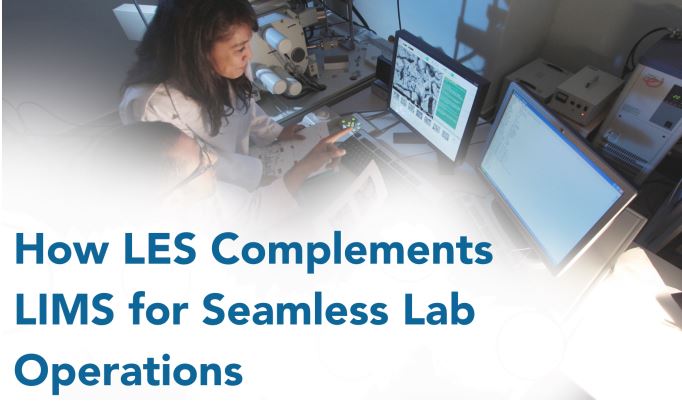
The integration of LES (Lab Execution Systems) and LIMS has become increasingly popular. This powerful combination can help to boost efficiency, accuracy, and compliance across a wide range of laboratory processes. By working together, LES and LIMS can revolutionise the way labs operate. Let’s take a closer look at some of the key benefits of this integration.
[Read More]

Scientific organizations face ever increasing pressure from business stakeholders to reduce costs while improving operational efficiency, scalability, and agility. Laboratory research is more complicated and dependent on informatics than ever. IT organizations are seeking a solution through the development and deployment of an integrated laboratory informatics strategy and infrastructure. Making the transition to an integrated laboratory ecosystem requires substantial IT work and resources. In this blog, we explore the benefit from partnering with a 3rd party informatics provider with specialized scientific expertise to help support and maintain laboratory systems.
[Read More]
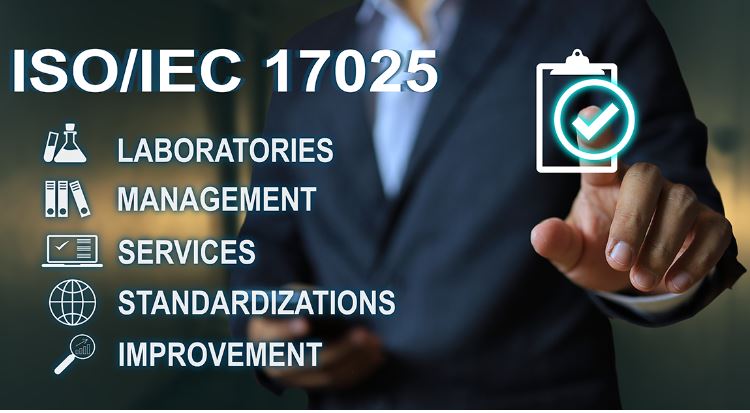
With a LIMS as a critical component of maintaining quality and ISO/IEC 17025 compliance labs, we discover that a LIMS should address aspects like complete sample data capture, unique sample identifiers, multi-level test result reviews, validation of sampling and test methods, calibration and training documentation, nonconformance and deviation tracking, data retention, and secure granular user access, among other things.
[Read More]

Any laboratory that handles large quantities of samples knows the pain of mishandling one (or a whole batch). In some industries, sample mishandling can get you sued or run out of business. If you’re working with lots of samples from lots of sources, you should know that there are ways to streamline your sample tracking process to avoid those scenarios. This blog post will show you how SampleVision works with your organization’s laboratory information management system (LIMS) or laboratory information system (LIS) to keep track of samples and streamline many common laboratory workflows.
[Read More]

Despite the benefits, it’s usually not a straightforward process to justify a LIM’s acquisition, implementation, and maintenance. The justification must go beyond monetary costs, to the organizational context, including short-/long-term goals, real and potential risks, and tangible/intangible benefits, painting a complete picture of how a LIMS benefits the organization, its staff, and its external stakeholders.
[Read More]

In the world of medical research, clinical trials are the forefront of advancement of research. They bridge the gap between laboratory breakthroughs and real-world treatments, ensuring that new drugs, therapies, or devices are both safe and effective. This comprehensive guide aims to shed light on these vital components of healthcare advancement.
[Read More]

Data has become one of the most valuable assets for any organisation, and laboratory data is no exception. However, accessing laboratory data has been difficult so far due to the use of outdated applications and architectures that underpin many LIMS applications.
[Read More]


