Posted on January 31, 2023
By Agaram Technologies
Blog

Digital transformation is a process that aims to improve an organization by implementing and practicing significant changes to its processes through combinations of information, computing, communication, and connecting technologies. Digital transformation only happens when the management recognizes the strategic importance of making profound organizational changes to the company that is customer-driven rather than technology-driven.
[Read More]
Posted on January 31, 2023
By Astrix Technology Group
Blog

Your choice of Pharmacovigilance system providers will impact your safety program for years into the future. In the near term, however, a system chosen without the appropriate awareness of installation requirements and limitations could bust your budget and disrupt your timetable. Although system functionality typically dominates the selection criteria, each candidate system vendor has certain characteristics that should factor into the selection process as early as possible before determining the optimal fit.
[Read More]
Posted on January 31, 2023
By onQ Software
Blog
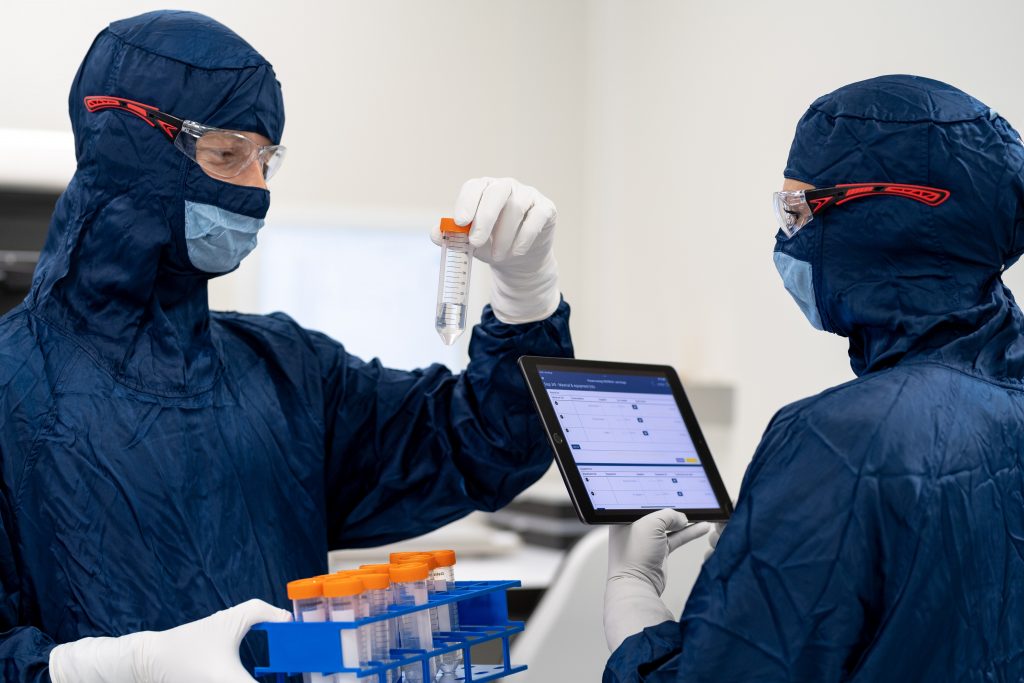
Are you tired of managing laboratory data and samples manually? LIMS (Laboratory Information Management System) is a software system that manages and organizes laboratory data and samples. From improved data management to enhanced collaboration and regulatory compliance, a lab management system offers a wide range of benefits. In this blog post, we’ll explore the top 5 benefits of a LIMS and how they can improve the efficiency and accuracy of your lab operations.
[Read More]
Posted on January 31, 2023
By LabLynx
Journal articles
This 2022 journal article published in
AQUA - Water infrastructure, Ecosystems and Society sees Fernandes
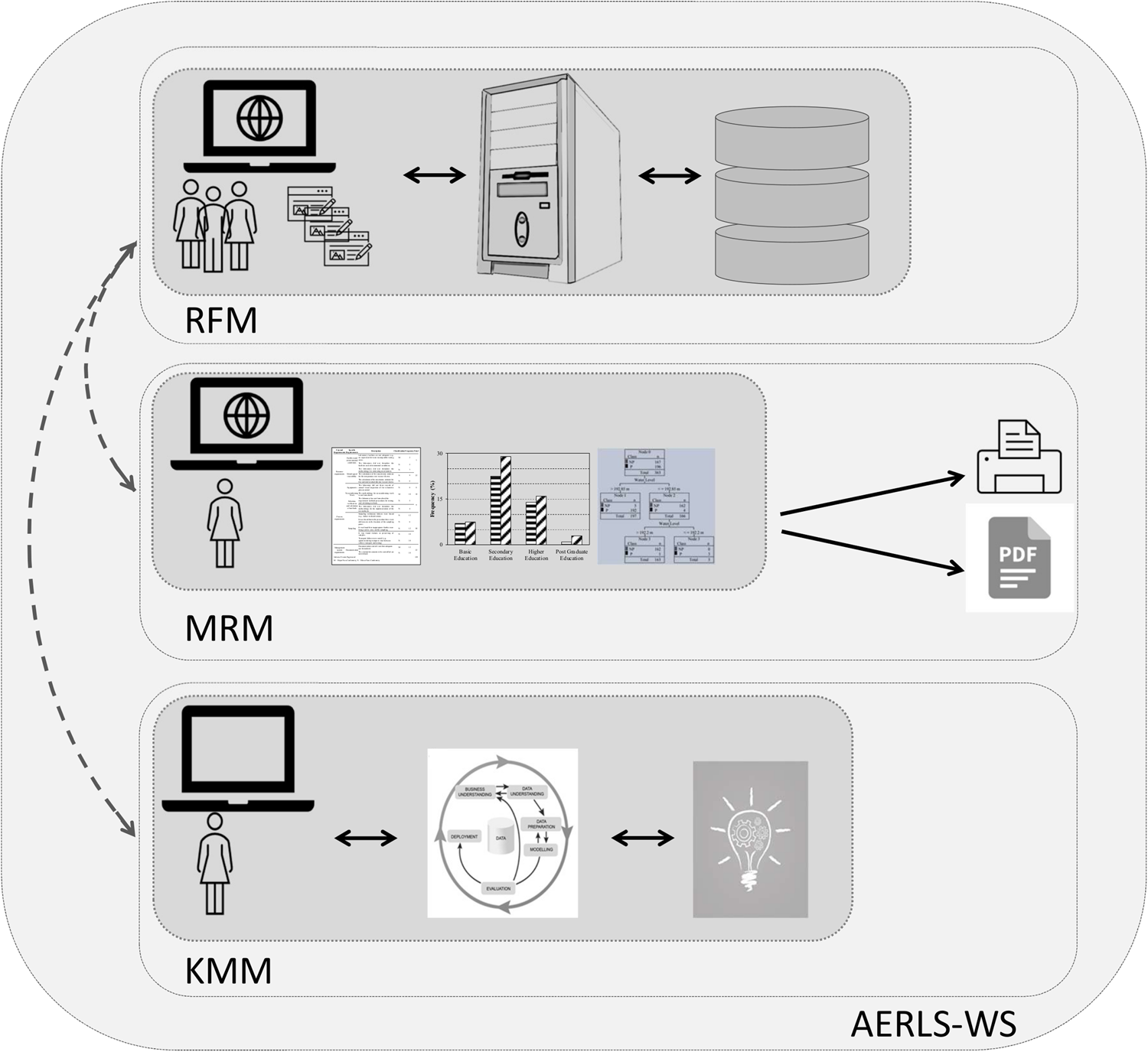
et al. presenting a computerized "system for reporting and learning from adverse events" in water sampling and analysis laboratories. The work was prompted by "a high frequency of adverse events in connection with sampling" at the Water Laboratory of Santiago do Cacém Municipality in Portugal. After introducing the topic of water quality testing and work related to using artificial intelligence (AI) in that testing, the authors describe their method of using a Eindhoven Classification Model (ECM) within the scope of ISO/IEC 17025 requirements. They then discuss the results of their software-based approach and conclude that their modular adverse event reporting and learning system has many strengths, particularly in that it "allows knowledge extraction, i.e., the identification of the main failure causes, possible trends, areas requiring improvement plans, or changes in procedures."
Posted on January 25, 2023
By L7 Informatics
Blog

Science and technology are evolving at an unprecedented pace. Great care is called for when gathering requirements and making choices for scientific informatics and software needs. There are few more vexing challenges than inheriting a poorly performing and entrenched legacy enterprise IT environment riddled with data and process silos. The cost, politics, and persuasion needed for change can overwhelm those who haven’t been shown the true value and potential upside.
[Read More]
Posted on January 25, 2023
By LabLynx
Blog

Laboratory information security is not merely a question of who can access your systems. What you allow people to access once they are in matters just as much. LabLynx ELab LIMS software solutions offer robust controls over access to your lab’s sensitive data. User profiles with granular access privileges limit the information and processes your staff may access and minimize the impact of stolen passwords and other cyberattacks.
[Read More]
Posted on January 25, 2023
By CSols Inc.
Blog

A common difficulty in completing a LIMS implementation project on time and on a budget is scope creep. Avoiding scope creep is every project manager’s dream, although it is close to impossible unless the initial scope is given the appropriate amount of care. Assigning a dedicated project manager can help, because the project manager commits to and must defend the original scope. It’s important to develop a scope that is as thorough as possible from the outset.
[Read More]
Posted on January 25, 2023
By Thermo Fisher Scientific
Blog

Thermo Scientific™ SampleManager™ LIMS software introduces HL7 messaging enhancements – part of a suite of product functionality updates in SampleManager LIMS software v21.1 – offering clinical customers an improved scientific experience, with the uncompromising power and flexibility to meet the diverse needs of the clinical laboratory. The software is providing technologists with the ease-of-use software they deserve.
[Read More]
Posted on January 25, 2023
By Agaram Technologies
Blog

Compliance with US FDA’s 21 CFR Part 11 Regulations is very critical for medical device and pharmaceutical companies. However, there are some grey areas that companies often face when they try to comply with 21 CFR Part 11. There is a common opinion or perception that we have seen where many companies think they are complying (often due to misunderstanding the requirements), but in reality, they are not.
[Read More]
Posted on January 25, 2023
By Corinne Jones
Newsletter
January 25, 2023 Laboratory Informatics Weekly Update Volume 21, Issue 4 In This Issue Featured Content 01/25/2023 - Is Your Technology Keeping Pace with Your Science?Science and technology are evolving at an unprecedented pace. Great care is called for when gathering requirements and making choices for scientific informatics and software needs. There are few more vexing challenges than inheriting a poorly performing and entrenched legacy enterprise IT environment riddled with data and process silos. The cost, politics, and persuasion needed for change can overwhelm those who haven’t been shown the true value and potential upside. [Read More] 01/25/2023 -…
Posted on January 23, 2023
By LabLynx
Journal articles
In this 2021 paper publisher in the journal
Química Nova, Miguel
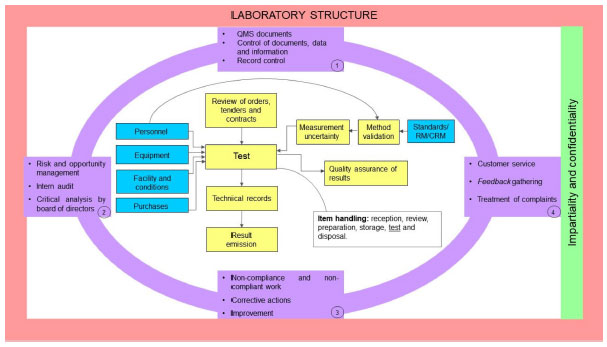
et al. present the ISO/IEC 17025 standard in a historical context, while also providing some additional details about the concepts the standard proposes. As a quality management standard that also addresses competence, impartiality, and consistent operations in the laboratory, the standard emphasizes the importance of well-planned quality assurance towards reliable and traceable laboratory results. After an introduction to the standard, the authors take an in-depth look at ISO/IEC 17025's history and what drove changes to the standard over time. The article then examines what the standard asks of laboratories, as well as what value it adds to those labs. "By enacting ISO/IEC 17025," the authors conclude, "testing and calibration laboratories demonstrate they are responsible with their activities and their impacts, and put quality management and metrological traceability at the forefront of their operations."
Posted on January 18, 2023
By LabLynx
Blog

Modern laboratory informatics systems are essential to the efficient operations of both oil and gas production facilities and related research work. In research, ELNs can manage the progress of research projects with LIMS providing support for extensive routine testing programs. With a well-designed laboratory informatics architecture and attention paid to technology management and planning, a laboratory informatics system can support a petrochemical organization's research, production, regulatory, and customer support needs.
[Read More]





