Posted on June 21, 2022
By Agaram Technologies
Blog

A leading Biopharmaceuticals organization who are an early innovator of COVID-19 vaccine wanted to achieve an automated process for achieving data integrity and compliance for their manufacturing plant QC and research laboratories. They were looking for a computerised system which is capable of handling the following complex compliance requirements along with reliable infrastructure support.
[Read More]
Posted on June 21, 2022
By LabLynx
Blog

Climate change is rapidly altering the animal and plant species in the Southeast. Researchers are unsure what the long-term effects of these shifts are. Animals are experiencing shape-shifting across the Southeast due to increased temperatures caused by climate change. Growth in body mass and appendages is positively correlated to increases in temperature.
[Read More]
Posted on June 21, 2022
By Kalleid
Blog

Data has emerged as the biggest asset and currency in an increasingly technocratic world, and with great power, comes great responsibility. Data associated with humans (i.e., Personal Information) is used extensively in advertising, public relations, Marketing, behavior modeling, and artificial intelligence. Social Media giants like Twitter, Snapchat and TikTok are Ad-revenue based owing to the data collected from their massive user base.
[Read More]
Posted on June 21, 2022
By Astrix Technology Group
Blog

If you are in the life science industry, you know that salaries have been growing rapidly. To meet growth targets and compete for talent, it’s essential to understand the expectations of current and prospective employees when it comes to salary. That’s why we’ve created the 2022 Life Sciences Salary Guide. This guide is your go-to resource for up-to-date salaries in the life science industry.
[Read More]
Posted on June 21, 2022
By LabLynx
Journal articles
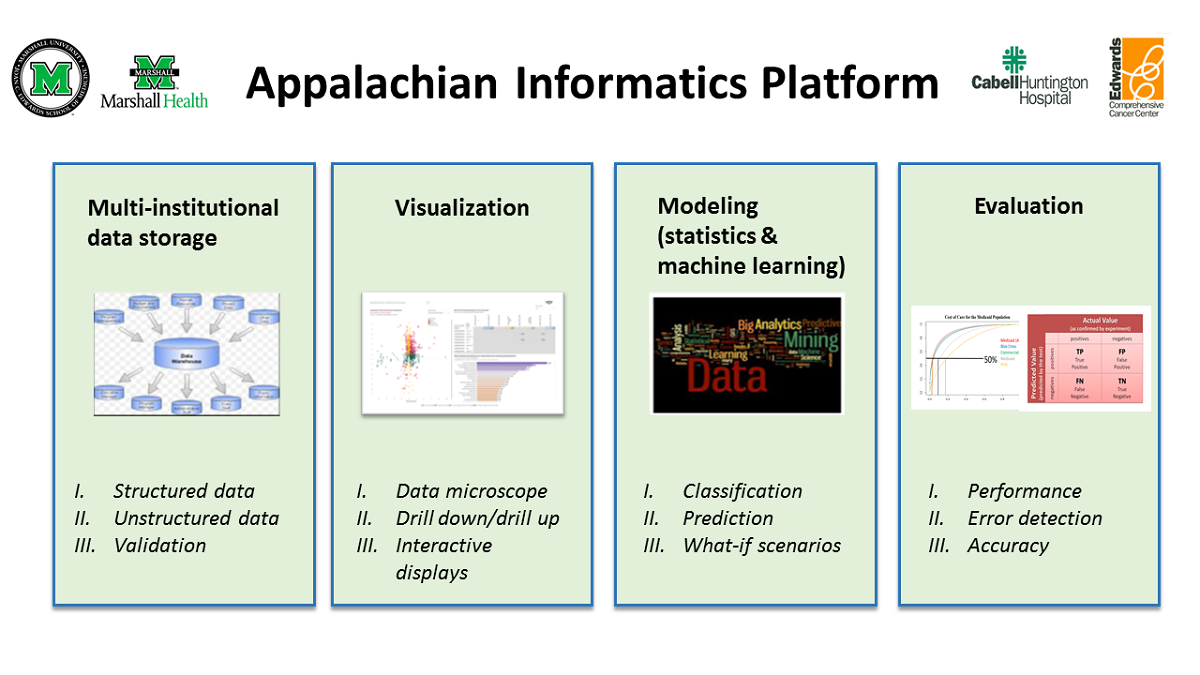
In this 2020 paper published in
JMIR Medical Informatics, Cecchetti
et al. of the Joan C. Edwards School of Medicine at Marshall University present their health informatics platform, the Appalachian Informatics Platform (AIP). Designed to support "research efforts by enabling curation and analysis of data using the different components," the platform is described in detail following the presentation of necessary background information on the unique informatics and healthcare challenges of the Appalachia region. After describing their methodology and results, the authors discuss the perceived utility of AIP and conclude that AIP is indeed useful in "enabling seamless and secure data access, model development through an analytics engine to explore novel and unexpected hypotheses, and simple yet effective communication of all findings via interactive visualization."
Posted on June 20, 2022
By LabLynx
Journal articles
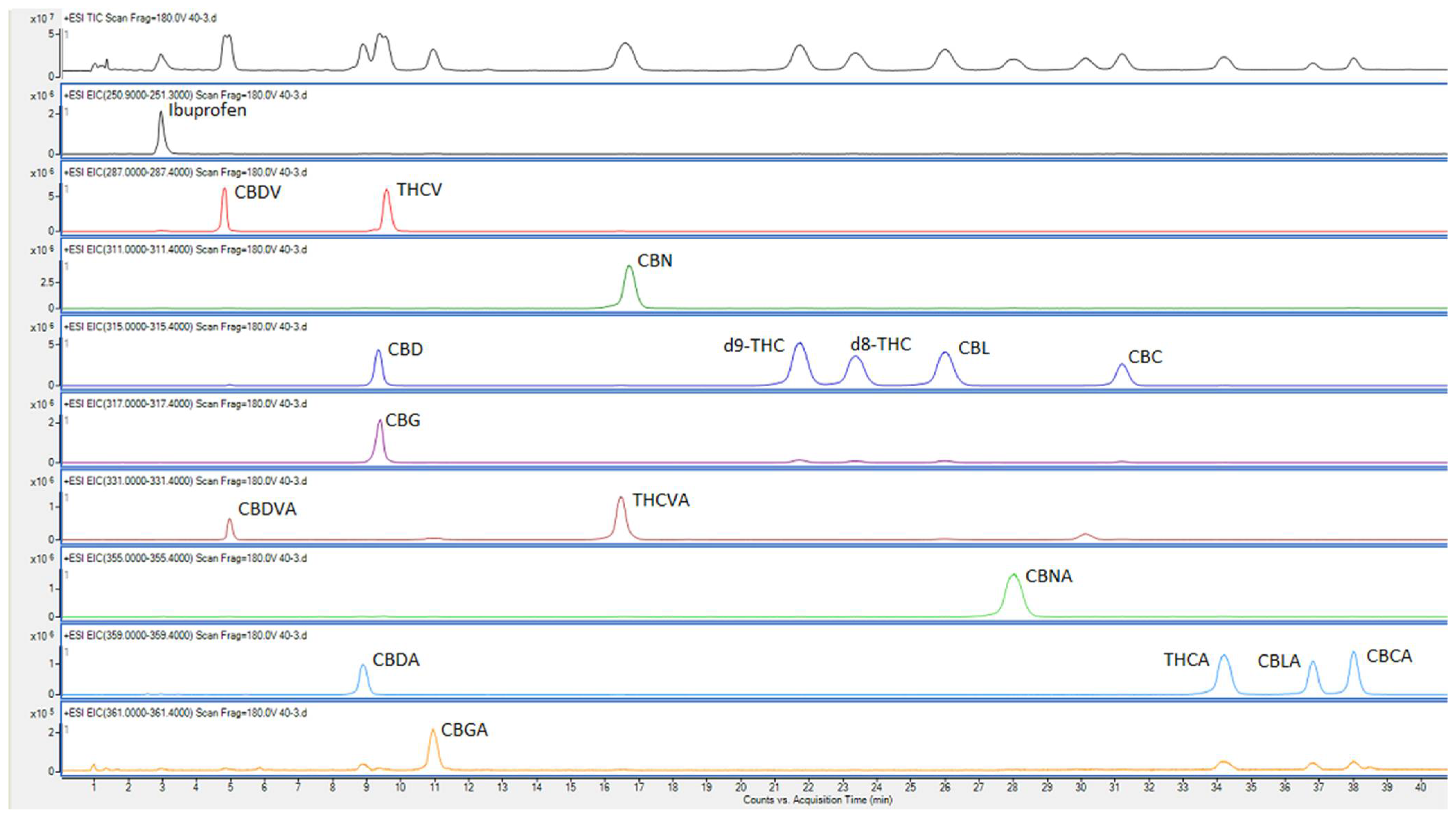
In this 2022 paper published in
Separations, Hewavitharana
et al. examine a more simplified means of quantifying cannabinoids using liquid chromatography–mass spectrometry (LC-MS) with a low flow rate rather than a more expensive ultra-high-performance liquid chromatography (UHPLC) system. After descrribing their materials and methods used, the authors discuss the optimization of their extraction method, as well as the optimization of chromatographic separation and mass spectrometry, and how the processes were validated. They conclude that "the main advantage of using this approach is that the method can be easily adapted to use with a simple HPLC-MS (single quadrupole) system," and that "the method is well suited for routine phytocannabinoid analysis across a range of applications in a variety of laboratory settings."
Posted on June 15, 2022
By Corinne Jones
Newsletter
June 15, 2022 Laboratory Informatics Weekly Update Volume 20, Issue 24 In This Issue Featured Content 06/14/2022 - The Ideal LIMS for Clinical Diagnostics Finding and implementing the ideal LIMS is not as straight forward as other software purchases. It requires in-depth research, planning, communication and knowledge. Given how much information the lab has to arm itself with to make the best decision on the ideal LIMS, this process can leave many labs frustrated before even getting started. We want to help alleviate some of the frustration. The Ideal LIMS for Clinical Diagnostics: A Practical Buyer’s Guide eBook helps…
Posted on June 14, 2022
By LabLynx
Journal articles
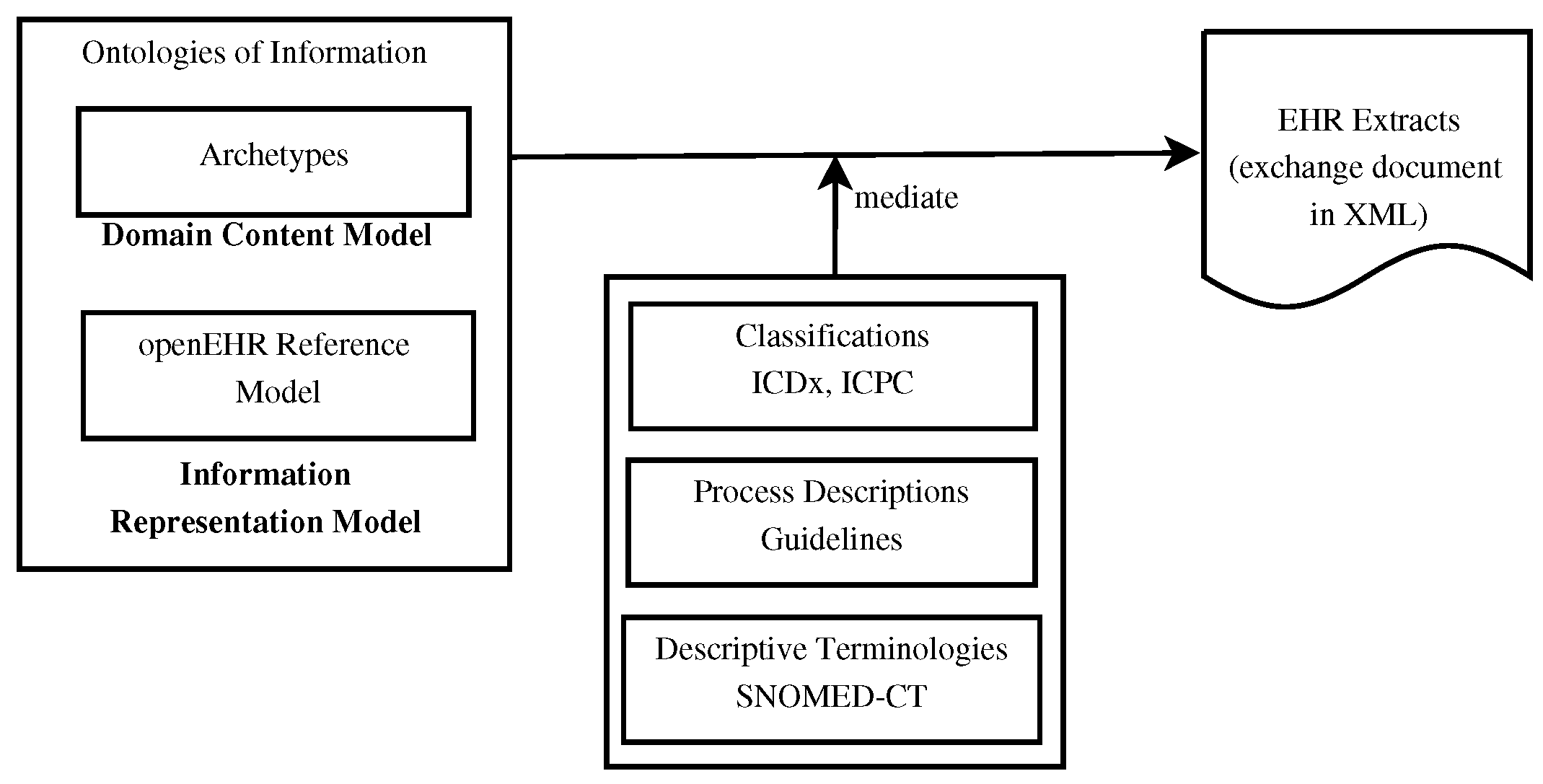
In this 2022 paper published in the journal
Information, Sachdeva and Bhalla of the National Institute of Technology Delhi examine electronic health records (EHRs) and their requirement for interoperability from a semantic and archetype point of view. After providing an overview of EHRs and their standards for semantic interoperability, the authors discuss how to better achieve more secure and more accurate data interoperability through the use of semantic-based archetypes. They then discuss knowledge representation and the five most common approaches to it, addressing specifically ADL, XML, OWL, and other formalisms. They then evaluated some of the best approaches and discussed their strengths and drawbacks. After brief discussion, the authors conclude that while semantic interoperability is essential to "evidence-based healthcare across heterogeneous EHR systems," areas of study are still lacking in regards to "direct support for mapping to formal ontologies." They suggest that ADL and OWL have their own strengths, compared to XML that has more weaknesses despite being a more global standard.
Posted on June 14, 2022
By CSols Inc.
Blog

One of the major advantages to implementing a LabWare LIMS™ is the increase in lab productivity and scientist effectiveness it can yield. In this paper, you will be introduced to 5 ways that LabWare LIMS can improve productivity in a laboratory environment. Although we only mention 5, there are many, many ways in which a LabWare LIMS can improve productivity, but let’s start with these...
[Read More]
Posted on June 14, 2022
By Astrix Technology Group
Blog

The staffing agency model has become an increasingly popular way for companies to gain a competitive edge in the life science labor market. By partnering with a staffing agency that specializes in the scientific industry, companies can access a larger and more qualified talent pool, allowing them to fill critical positions quickly and easily. This article will identify five key benefits of using scientific staffing agencies to make the most informed decision about your workforce management strategy.
[Read More]
Posted on June 13, 2022
By CSols Inc.
Blog

After asking
how much does a LIMS cost, the next most pressing question that potential clients have is, how long will a LIMS implementation take? The short answer is that a laboratory information management system (LIMS) implementation can take anywhere from a couple of months to a year or more. The long answer, considering your individual situation, is in this blog post.
There are approaches that any lab or organization can take to help a LIMS implementation be successful and stick to a defined schedule.
[Read More]
Posted on June 8, 2022
By LabLynx
Blog

“Life finds a way.” Okay, maybe Ian Malcolm didn’t have algae in mind when he uttered those infamous words. But with harmful algal blooms increasing worldwide every year, the microscopic organisms are making as dramatic an impact as a tyrannosaurus rex (or indo-raptor, for that matter). Humans are directly in the crosshairs of these toxic blooms. And that means stepping up the game in your lab. If your water testing LIMS isn’t prepped for the coming onslaught, it might be time for an upgrade.
[Read More]





