

A model for design and implementation of a laboratory information management system specific to molecular pathology laboratory operations
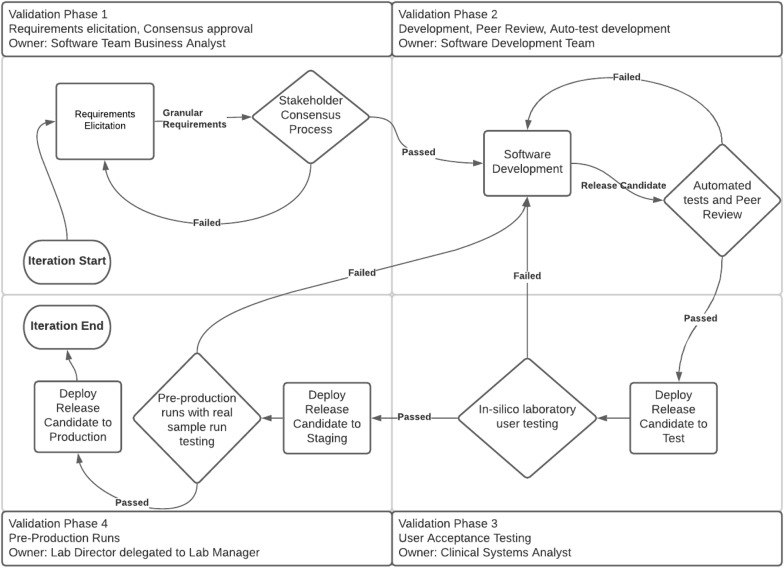 In this 2022 paper published in The Journal of Molecular Diagnostics, the Molecular Pathology Section of Cleveland Clinic describes its collaboration with Semaphore Solutions in order to customize a laboratory information management system and other tools to meet the needs of Cleveland Clinic's molecular pathology department. The authors first describe their goals, technology approach, and software approach within the framework of project development and management, including validation steps. They then provide details about how their implementation affected their work. They conclude that "a significant amount of customized software engineering" was required to get a system that met their needs, as was a Scrum-based development approach, "which may be emulated for scalable and cost-effective laboratory-authored software." They also add that "[a]n important lesson learned in executing the LIMS project was the concept of a minimally viable product (MVP)."
Florida Legislation Allows Nurses to Conduct Clinical Lab Testing
 Registered nurses’ roles in Florida’s hospital laboratories will change on July 1. Previously, the state’s regulations did not let RNs perform clinical testing at some hospital laboratories without additional licenses. New legislation will let qualified RNs perform low-to-moderate complexity testing without that extra burden. [Read More]
5 Behavioral Health Trends for 2022
 The general public is becoming more familiar with the benefits of behavioral health services. With celebrities openly talking about their need to participate in therapy and prioritize their own mental health, the stigma of seeking assistance may be eroding. That’s good news for providers, who can envision more patients coming for help with their mind and not just their body. [Read More]
Image Management and 6 Key Steps to a Successful Digital Transformation
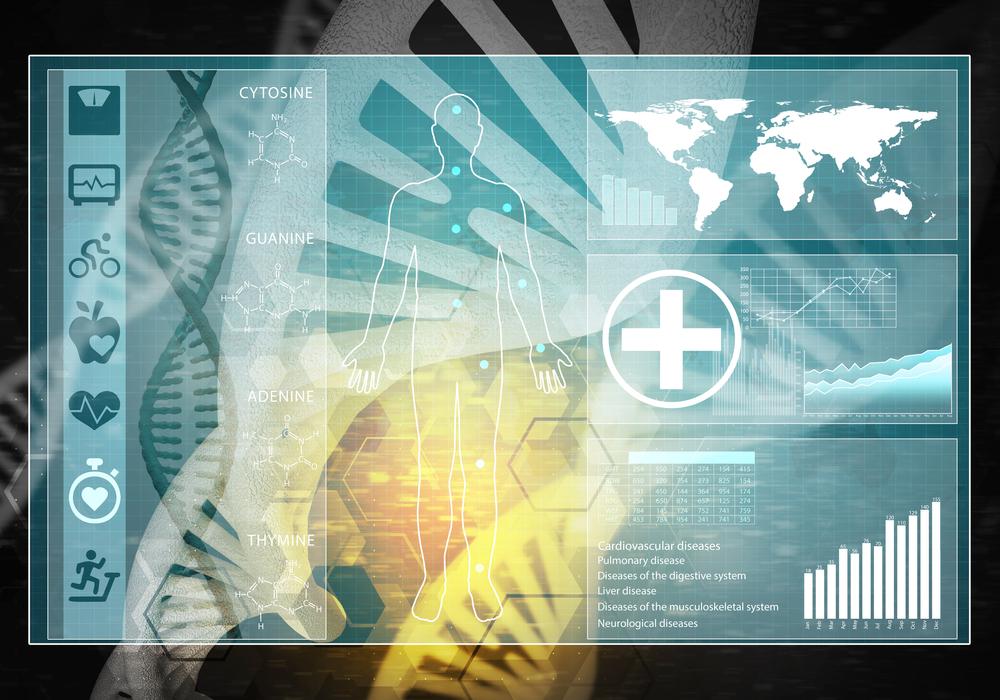 To successfully perform a transformation of the Imaging Management area of the business to improve efficiency and effectiveness, there needs to be both a business and technology strategy that enables the process. There are six important steps that ResultWorks, an Astrix Business, follows in order to ensure our client’s success. [Read More]
Laboratory Informatics Weekly Update – Volume 20, Issue 17
April 27, 2022 Laboratory Informatics Weekly Update Volume 20, Issue 17 In This Issue Featured Books LIMSjournal - Spring 2022 Featured Content 04/27/2022 - 5 Behavioral Health Trends for 2022The general public is becoming more familiar with the benefits of behavioral health services. With celebrities openly talking about their need to participate in therapy and prioritize their own mental health, the stigma of seeking assistance may be eroding. That’s good news for providers, who can envision more patients coming for help with their mind and not just their body. [Read More] 04/27/2022 - Image Management and 6 Key Steps…ISO Accreditation: Do I Need It?
 Across industries, ISO accreditation is becoming a must-have for testing laboratories. Here’s what you need to know about ISO accreditation and how a LIMS makes all the difference. [Read More]
DigiPatICS: Digital pathology transformation of the Catalan Health Institute network of eight hospitals – Planning, implementation, and preliminary results
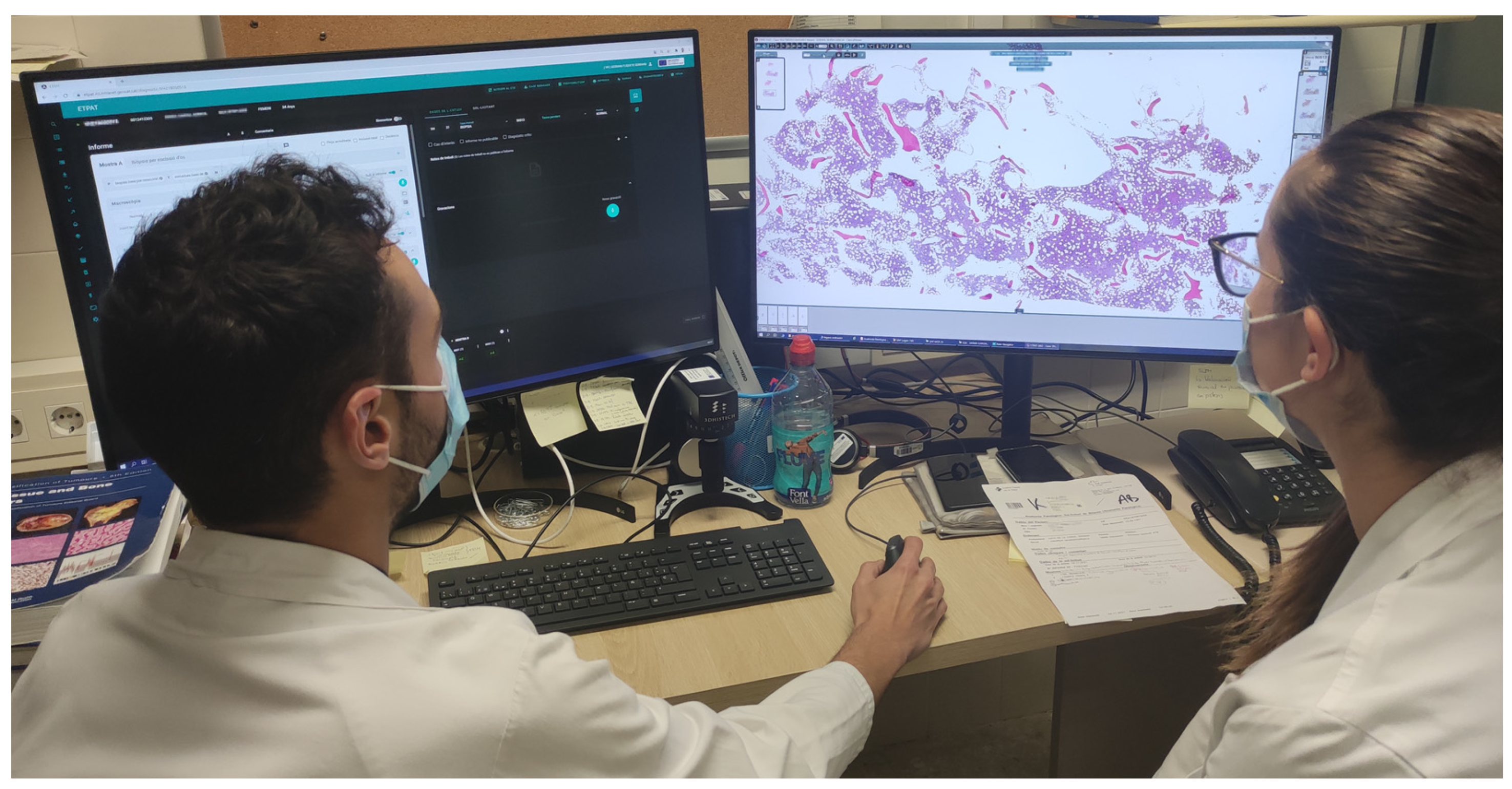 In this 2022 paper published in the journal Diagnostics, Temprana-Salvado et al. of the Catalan Health Institute present the initial results of their DigiPatICS program, implemented across eight hospitals in the network. DigiPatICS, a digital pathology implementation initiative, was initiated "to increase patient safety and quality of care, improving diagnosis and the efficiency of processes in pathological anatomy departments of the ICS using digital pathology and AI tools." However, it was not a straightforward process, requiring significant planning, After describing their planning steps, the project scope, and tender process, the authors describe multiple aspects of their approach, including the instruments, hardware, software, laboratory information system (LIS), networking, data centers, imaging standards, and AI components. After discussing the results of their implementation, the authors concluded though "[t]he digital transformation of a pathology department represented a technological, organizational, and functional challenge ... [it] provided an effective and safe diagnostic tool with clear benefits for diagnosis quality and patient safety."
Laboratory Informatics Weekly Update – Volume 20, Issue 16
April 20, 2022 Laboratory Informatics Weekly Update Volume 20, Issue 16 In This Issue Featured Books Past, Present, and Future of Cannabis Laboratory Testing and Regulation in the United States Featured Content 04/19/2022 - How a Regulated Lab Ended Up Owning the Code of a Commercial LIMS A surprising number of labs today still use pen and paper to manage lab samples, analysis, and reporting. But for forward-looking labs, a laboratory information management system (LIMS) offers a way to work more effectively through standardized workflows, tests, and procedures. [Read More] 04/19/2022 - ELab for Cannabis: One LIMS for Multi-State…How a Regulated Lab Ended Up Owning the Code of a Commercial LIMS
 A surprising number of labs today still use pen and paper to manage lab samples, analysis, and reporting. But for forward-looking labs, a laboratory information management system (LIMS) offers a way to work more effectively through standardized workflows, tests, and procedures.
[Read More]
Icelandic Forensic Toxicology Laboratory Uses Matrix Gemini LIMS to Report on Drunk/Drug Driving and Uncover Criminal Activity
 The Laboratory of Pharmacology and Toxicology (RLE) configured the Matrix Gemini LIMS themselves, to meet their own unique needs. RLE is now using the LIMS to analyze drug and alcohol samples to support the police and the judiciary in Iceland. [Read More]
Cannabis sativa research trends, challenges, and new-age perspectives
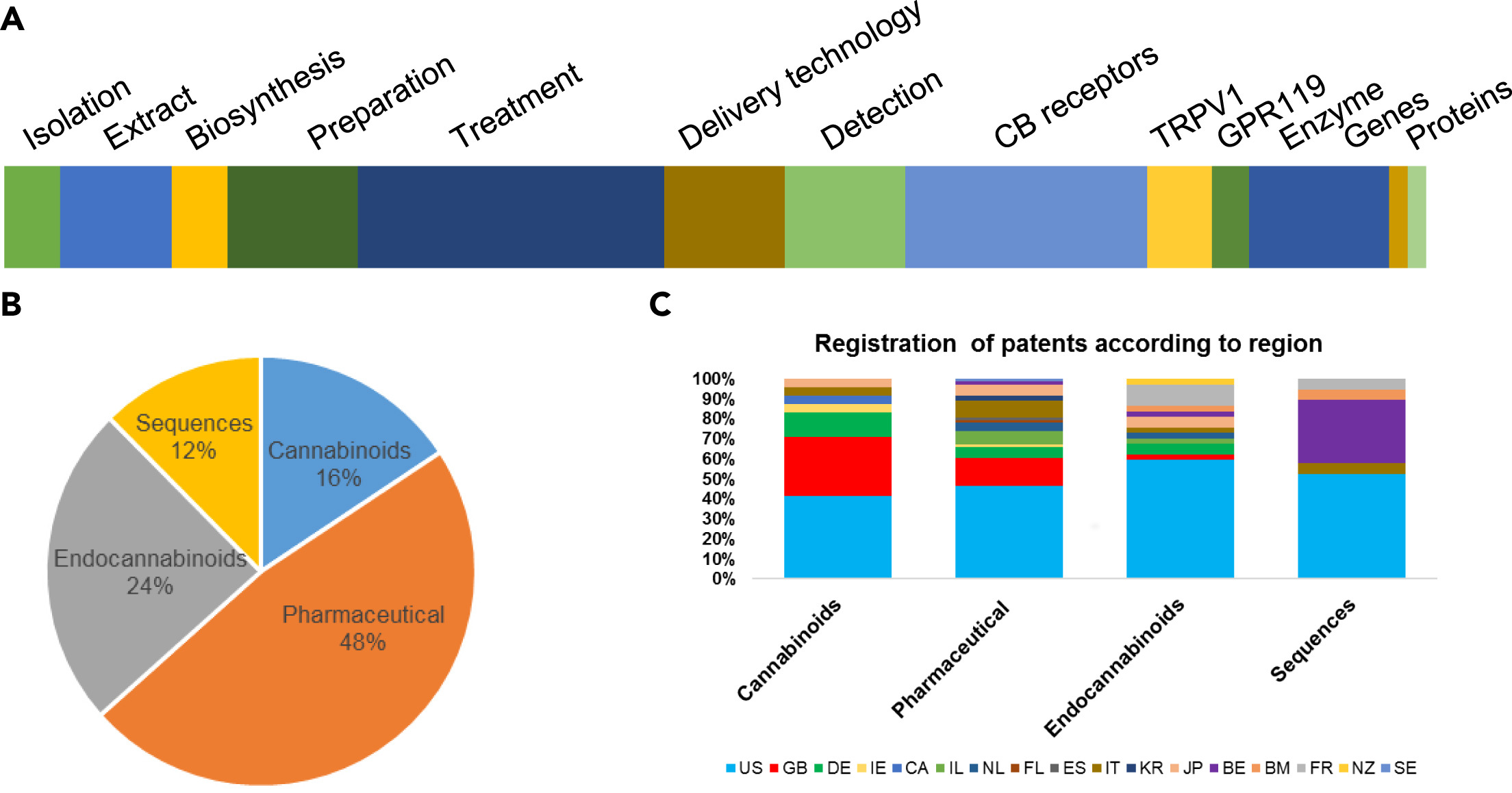 In this 2021 journal article published in iScience, Hussain et al. of TU Dortmund University review more than two centuries of cannabis research and discuss its transition from herbal medicine to illegal drug, and back again. After a brief introduction, the authors lay out their review first by examining research trends dating back to 1783 and then discussing the modern understanding of Cannabis sativa L. in the scope of physiology and legal status. The authors then look at the genomic and transcriptomic analyses of the Cannabis plant and where that is pushing research and laboratory analysis. They also discuss therapeutic potentials revealed during COVID-19, as well as how some cannabis research has led to issues in the realm of patenting. They conclude that as research and testing trends continue to advance (e.g., as with AI-based genetic and molecular analysis), it will be "possible to obtain enhanced expression rates, which will lead to enhanced cannabinoid yields in an economically feasible manner," and pharmacological research advances will likely further highlight the "tremendous potential in drug discovery."
On Premises or Cloud Based: Which LIMS Model Is Right for Your Lab?
 When you’re looking at what kind of Laboratory Information Management System (LIMS) to implement for your organization, one of the first decisions you need to make is the hosting situation; will your LIMS be hosted on-premises (pay per license; PPL) or cloud hosted—either as platform as a service (PaaS) or software as a service (SaaS). [Read More]





