

Food informatics: Review of the current state-of-the-art, revised definition, and classification into the research landscape
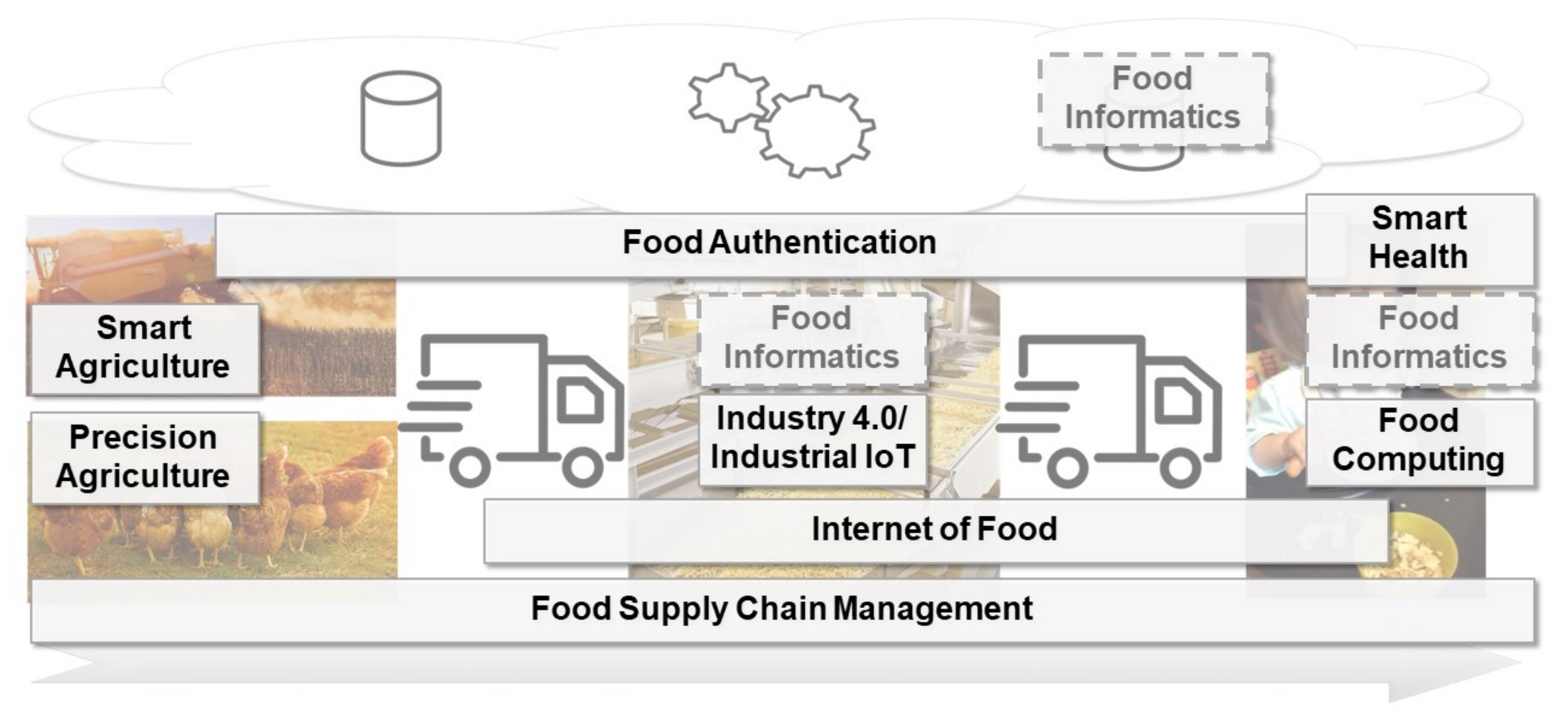 Informatics, the study of information processing and management, has moved into many industries over the past few decades, and the food manufacturing and testing field is no different. Food informatics has evolved as a sub-branch of informatics that assesses how food-related activities can be improved for not only manufacturers but also consumers, using information technologies. This 2021 paper by Krupitzer and Stein examines the state of food informatics and proposes an updated definition that encompasses the state-of-the-art in food technologies and how they are used in the manufacturing and research landscape. After discussing numerous concepts important to food informatics, the authors propose their own definition and discuss how it applies to the practical use of tools like autonomous robotics, artificial intelligence (AI), machine learning (ML), internet of things (IoT), predictive maintenance, and more. They conclude that while "various research streams focus on different aspects of the production process ... they miss the methods and approaches that can be applied across several steps along the food production process." They add that the mindful addition of technologies like AI and IoT has high potential "to optimize the various aspects and processes concerning food production, consumption, and security."
Addressing Staffing Shortages with LIMS
 There has been a lot of talk recently about the use of technology in lab operations to save time and automate previously manual tasks, especially using a Laboratory Information Management System (LIMS). Much has been written about how LIMS can be used to automate processes in laboratories ... [Read More]
Developing a Successful Data Quality Framework – Part 1
 In the pharmaceutical industry, data quality is an imperative. The challenge is that the volume and complexity of that data continues to grow in the R&D area. Given critical business decisions need to be made utilizing this data, it is essential to ensure that data is accurate to make timely decisions... [Read More]
Laboratory Informatics Weekly Update – Volume 20, Issue 13
March 30, 2022 Laboratory Informatics Weekly Update Volume 20, Issue 13 In This Issue Featured Books HIPAA Compliance: An Introduction Featured Content 03/30/2022 - STARLIMS Announces the Release of its Quality Manufacturing Solution (QM) V12.3 STARLIMS Corporation is pleased to announce the release of the STARLIMS Quality Manufacturing (QM) Solution v12.3 release, which is built on the latest STARLIMS Technology v12.3 platform. [Read More] 03/30/2022 - Addressing Staffing Shortages with LIMSThere has been a lot of talk recently about the use of technology in lab operations to save time and automate previously manual tasks, especially using a Laboratory Information…Creating learning health systems and the emerging role of biomedical informatics
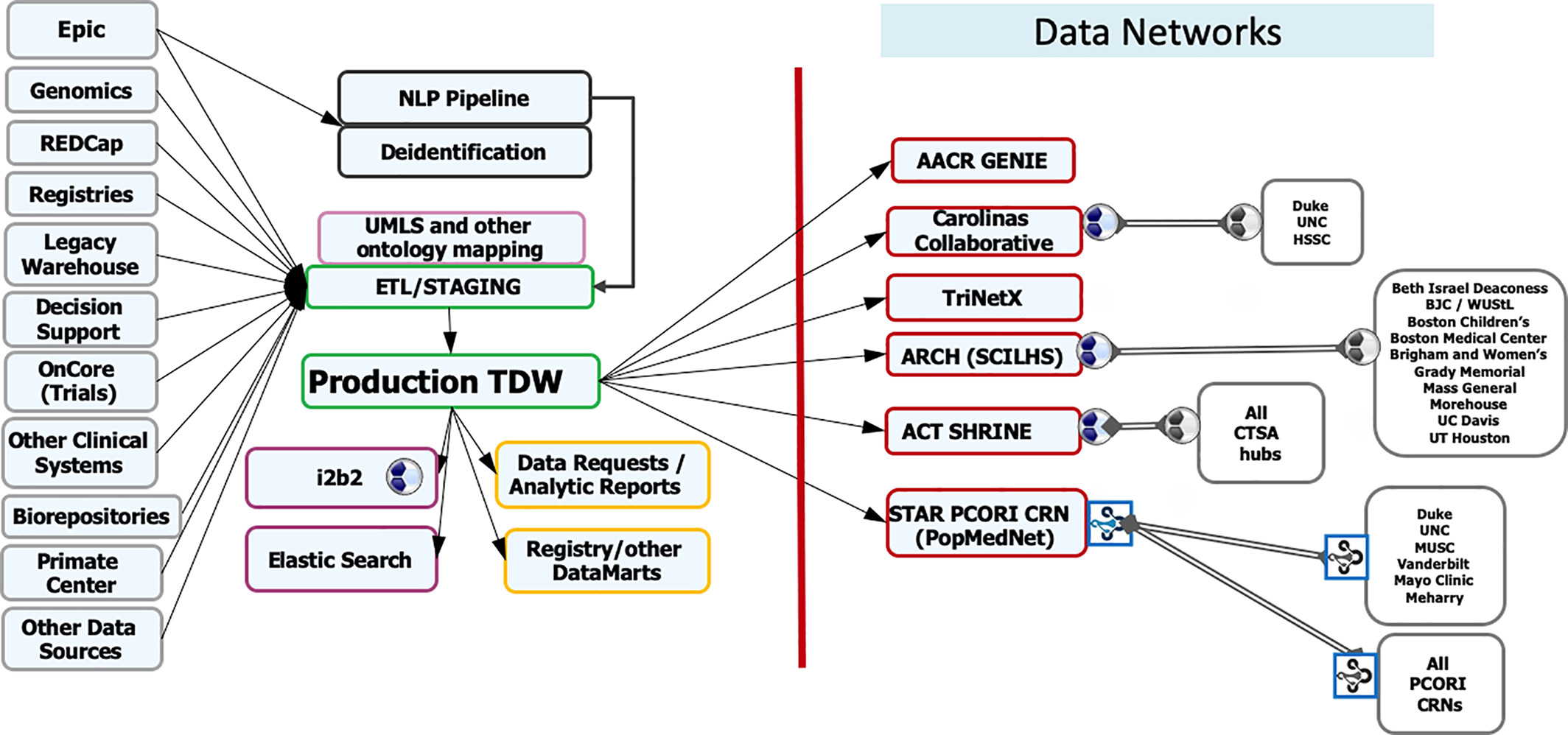 In this 2022 paper published in the journal Learning Health Systems, Kohn et al. of Wake Forest School of Medicine's Center for Biomedical Informatics describe the evolution of an academic biomedical informatics program in the scope of a "learning health system" (LHS) and improving decision making in the clinical field. The authors first provide background information on topics such as artificial intelligence (AI) and machine learning (ML) and how they they are trained upon and accepted within the clinical community. They then describe the concept of the LHS and what is required to understand and utilize it well, followed by full details of their biomedical informatics program and its incorporation of LHS at Wake Forest. The authors conclude that programs such as its Clinical Scholars in Informatics (CSI) program "can be broadly applied to most internal medicine programs across the United States" and that such programs clearly provide "bidirectional net benefits for the resident physicians and for the health system as a whole." They add that enabling clinical students in "understanding the role of AI and predictive analytics, and how to apply them, will become progressively more important" as the era of big data continues to grow.
What Do We Mean By Software Development Best Practices at Semaphore?
 Building custom laboratory software from the ground up requires robust planning and meticulous attention to detail. In the process of doing this for our clients and ourselves on our forthcoming product, we have developed our own software development best practices to ensure the implementation meets all the requirements.
[Read More]
What to Consider When Building Your LIMS Requirements
 What are LIMS system requirements, and how do you begin gathering them? Learn what you should consider when writing your requirements in this article by LIMS expert Shawn Douglas, author of LiMSwiki.org.
[Read More]
NextGen Bioprocess for Cell and Gene Therapy
 Cell and gene therapy hold enormous potential for revolutionizing healthcare. New treatment methods for cancer, heart disease, and disorders of the blood and immune system using these innovative approaches are poised for mainstream alternatives to traditional medicine.
[Read More]
Laboratory Informatics Weekly Update – Volume 20, Issue 12
March 23, 2022 Laboratory Informatics Weekly Update Volume 20, Issue 12 In This Issue Featured Books The Complete Guide to LIMS and Laboratory Informatics: 2022 Edition Featured Content 03/23/2022 - What Do We Mean By Software Development Best Practices at Semaphore?Building custom laboratory software from the ground up requires robust planning and meticulous attention to detail. In the process of doing this for our clients and ourselves on our forthcoming product, we have developed our own software development best practices to ensure the implementation meets all the requirements. [Read More] 03/23/2022 - What to Consider When Building Your LIMS…PharmaIQ Live: SmartLab Digital 2022 – Event Recap
 Strateos had the pleasure of participating at the PharmaIQ Live: Smartlab Digital 2022 conference held between March 8-9th, which focused on the potential of Lab 4.0 strategies to increase the speed, efficiency and reduce the cost of the drug discovery process.
[Read More]
Essential Components of Data Governance – Part 2
 These are 2 of the essential principles that ResultWorks believe are essential to any data governance program’s success. The rollout of a data governance program is a significant milestone that enables the foundational framework and structure for an organization’s journey.
[Read More]
Planning for Disruptions in Laboratory Operations
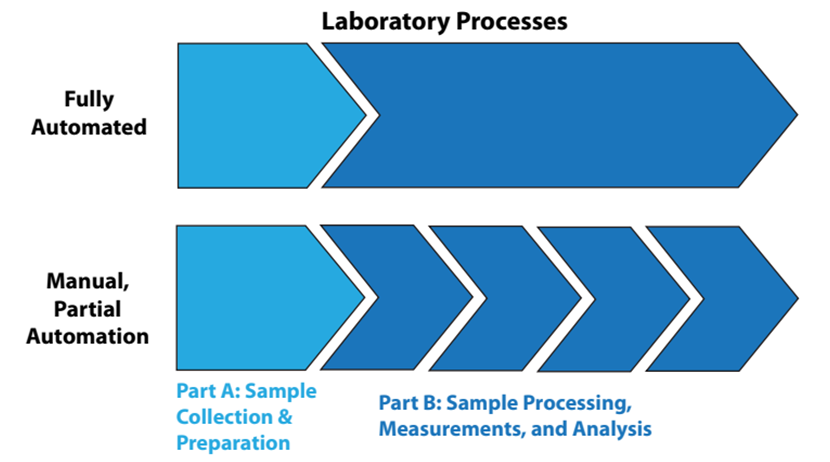 Most know that the COVID-19 pandemic turned a solid chunk of the workforce—and their work itself—on its heels. More than two years later, this change has both positively and negatively affected many a workplace, including the laboratory. In this March 2022 work by laboratory veteran Joe Liscouski, the impact of disruptions like COVID-19, flooding, and power failure to laboratories is discussed, particularly within the scope of implementing automation to better limit those disruptions. However, as Liscouski notes, it's not as simple as "let's implement laboratory automation"; many nuances to its implementation and use exist within the context of laboratory work. The author first discusses the nature of work itself, followed by a brief look at laboratory work. He then examines eight talking points about using automation to prevent disruptions in on-site laboratory activities, as well as a few critical points about the laboratory work that can be done remotely. He finishes by discussing other external disruptions to laboratory work, including meteorological issues, natural disasters, power disruptions, and supply chain issues. Liscouski concludes that while laboratory automation is here to stay by improving workflows and limiting disruptions, we must implement it with care and deliberate planning in order to make the most of it.





