

Benefits of Moving from On-Premise Data Management to Cloud Hosting Solutions
 Data security is the most important aspect of running a lab. No matter how great your goods and services, clients have to be able to fully trust that their information is protected[1] — especially when it comes to sensitive data.
[Read More]
Laboratory Informatics Weekly Update – Volume 20, Issue 9
March 2, 2022 Laboratory Informatics Weekly Update Volume 20, Issue 9 In This Issue Featured Books Laboratory Informatics Buyer's Guide for Medical Diagnostics and Research Featured Content 03/02/2022 - 5 Ways to Improve Your LabWare LIMS in Phase 2Here you are! You survived your LabWare LIMS implementation; it’s been running for a while and your users have gotten used to the new way of working that the LIMS has brought into their lives (and to the variety of new tasks that it involves). [Read More] 03/02/2022 - Benefits of Moving from On-Premise Data Management to Cloud Hosting SolutionsData security…Emerging cybersecurity threats in radiation oncology
In this brief article published in the journal Advances in Radiation Oncology, Joyce et al. state the case for the journal's move to develop a special manuscript category dedicated to cybersecurity issues as they relate to the field of radiation oncology. They review numerous cybersecurity incidents that occurred in 2021, which disrupted healthcare efforts, sometimes severely. In one case, the authors find the effects of a ransomware attack on a cancer treatment center in New Zealand to be worse than those effects of the COVID-19 pandemic. Additionally, the authors address the problems that come with not being able to rapidly access patient medical records, "causing delayed treatment for thousands of patients" in some cases. The discussion of these and other similar incidents leads to a non-exhaustive list of what oncology departments can do to improve preparedness for cybersecurity incidents, including maintaining offline, encrypted back-ups and implementing a user awareness training program.Artificial Intelligence and Machine Learning: A New Frontier
As the everyday world becomes immersed in technology and we become increasingly dependent on computers to assist in day-to-day tasks, the field of life sciences is following the same path of utilizing artificial intelligence (AI).
[Read More]
Testing the Limits in LIMS – Part 1
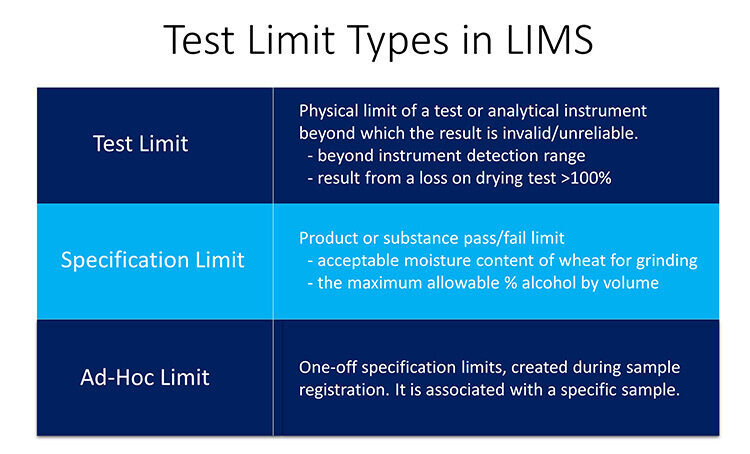 A two-part series covering what limits are and how to apply them in a LIMS.
One of the many benefits of implementing a Laboratory Information Management System (LIMS) is the reduction, or elimination, of potential user error and the consistent application of standard operating procedures.
[Read More]
What Labs Need to Know About Risk Management in Software
 Every time we ride a bicycle, drive a car, or travel by plane, we’re faced with the risk of injury. While we can’t completely eliminate all the risks, we can reduce our chances of getting hurt — think bicycle helmets, seat belts, and oxygen masks. Similarly, clinical diagnostic labs have to accept a certain amount of risk (known as risk acceptance), but there are a number of ways these risks can be mitigated.
[Read More]
5 Key Benefits of a Unified LIS for All Medical Lab Disciplines
 Outstanding healthcare begins with effective management of patient data from multiple sources across a network of medical care providers and organizations. Enabling health care providers to enter and access patient information via a unified, secure database provides a holistic view to better inform medical decisions and the quality of care.
[Read More]
FDA Food Safety Modernization Act Final Rule on Laboratory Accreditation for Analyses of Foods: Considerations for Labs and Informatics Vendors
 On December 3, 2021, the the U.S. Food and Drug Administration (FDA) published it's final rule concerning the Laboratory Accreditation for Analyses of Foods (LAAF) program. Effective February 1, 2022, this rule enables the accreditation of interested food and environmental testing laboratories for specific types of testing of the U.S. food supply. [Read More]
Laboratory Informatics Weekly Update – Volume 20, Issue 8
February 23, 2022 Laboratory Informatics Weekly Update Volume 20, Issue 8 In This Issue Featured Books HIPAA Compliance: An Introduction Featured Content 02/23/2022 - SCC Soft Computer’s Blood Bank Product Receives 510(k) Clearance from the U.S. Food and Drug Administration SCC Soft Computer’s SoftDonor.web™ version 4.5.5.0 received 510(k) clearance from the U.S. Food and Drug Administration (FDA). SoftDonor.web™ has enhanced features to increase productivity in the laboratory while maintaining compliance with safety regulations. [Read More] 02/23/2022 - Artificial Intelligence and Machine Learning: A New FrontierAs the everyday world becomes immersed in technology and we become increasingly dependent on computers to…An automated dashboard to improve laboratory COVID-19 diagnostics management
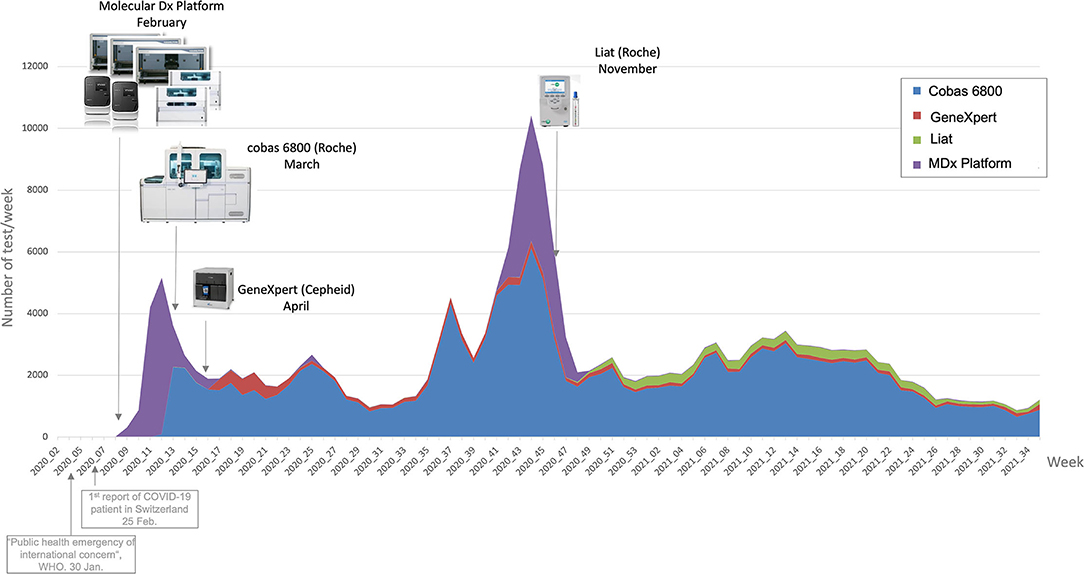 In this 2021 paper published in the journal Frontiers in Digital Health, Maury et al. of University of Lausanne and Lausanne University Hospital describe their process of developing a COVID-19 dashboard for improving their health care efforts. Noting the usefulness of rapidly gathering, integrating, and using data during epidemics, the authors decided to pull information from their laboratory information system (LIS), as well as other systems, and try to streamline COVID-19 care. After describing their reverse transcription polymerase chain reaction (RT-PCR) workflows and information systems, they discuss their dashboard—developed in R Shiny—and how its various components aided in their hospital system's goals. The authors conclude that a "dashboard promises the potential gain of time and productivity in a public hospital context, where the resources are scarce and the staff is under the day-to-day task pressure."
Top 9 Ways a LIMS Can Help Your Clinical Laboratory
 Between COVID-19 and an increase in the aging population, demand for diagnostic testing is at an all time high. On average 1.3 million COVID tests are run daily, and the American Clinical Laboratory Association (ACLA) reports 7 billion diagnostic tests are run each year. All this to say, your clinical laboratory is busier than ever. [Read More]
How to Set Up Your Software Environment for Maximum Productivity in the Lab
 In today’s evolving market, labs inevitably need to make changes within their informatics software stack. The greater your lab’s efficiency in making these changes, the easier you’ll be able to keep up with new demands and innovations. How your software environment is set up can make a huge difference in how quickly you can validate new processes and updates to the software before deploying them.
[Read More]





