

Key Points to Consider When Validating a Chromatography Data System (CDS)
 Warning letters; fines; or even jail time—don’t let these consequences descend on your organization! Prevent bad outcomes of agency observations with a thorough and accurate chromatography data system (CDS) validation.
[Read More]
The Ideal LIMS for Clinical Diagnostics
 Finding and implementing the ideal LIMS is not as straight forward as other software purchases. It requires in-depth research, planning, communication and knowledge. [Read More]
Testing the Limits in LIMS – Part 2
 In part 1 we discussed what limits are and the types of limits found in laboratory testing, including specification, test, instrument, and analytical limits. In part 2 we shall discuss how these limits are applied to a LIMS.
Essential Components of Data Governance – Part 1
 While there is no one size fits all data governance prescriptive plan, at ResultWorks, an Astrix Business, we believe there are principles and themes that are essential to any data governance program’s success. These are two of the essential principles.
[Read More]
Laboratory Informatics Weekly Update – Volume 20, Issue 11
March 16, 2022 Laboratory Informatics Weekly Update Volume 20, Issue 11 In This Issue Featured Books The Complete Guide to LIMS and Laboratory Informatics: 2022 Edition Featured Content 03/16/2022 - Key Points to Consider When Validating a Chromatography Data System (CDS)Warning letters; fines; or even jail time—don’t let these consequences descend on your organization! Prevent bad outcomes of agency observations with a thorough and accurate chromatography data system (CDS) validation. [Read More] 03/16/2022 - The Ideal LIMS for Clinical DiagnosticsFinding and implementing the ideal LIMS is not as straight forward as other software purchases. It requires in-depth research, planning,…The current state of knowledge on imaging informatics: A survey among Spanish radiologists
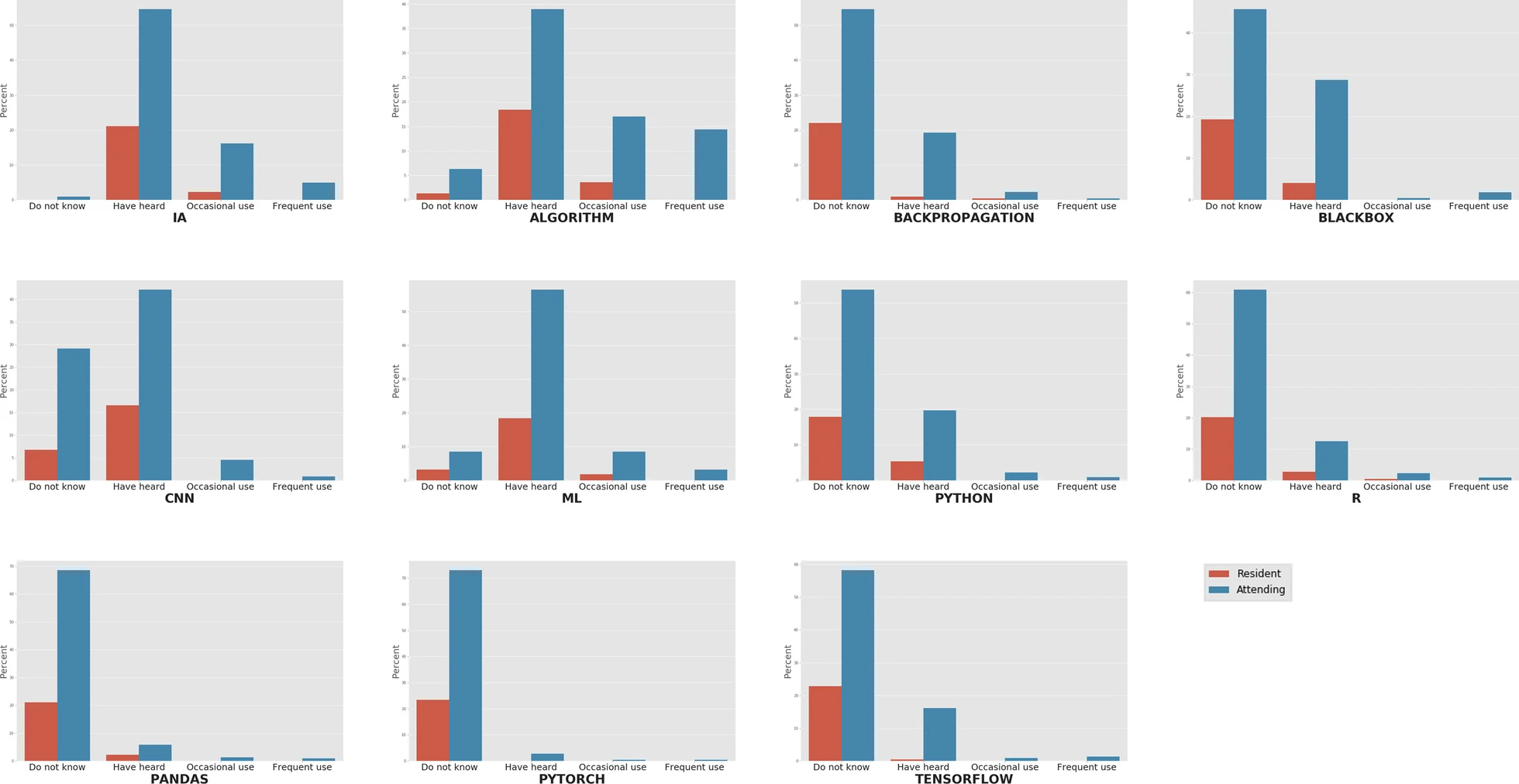 Artificial intelligence (AI) has been discussed in many healthcare contexts over the years, and this includes within the medical imaging field. But how aware are imaging specialists of AI and machine learning (ML) methods in imaging informatics, and what knowledge gaps must be filled to address concerns about misuse of patient safety with AI and ML in medical imaging? This survey-based research by Eiroa et al. examines the responses to numerous questions related to AI and ML by Spanish radiologists and suggests there are several information gaps that must be addressed. After a brief introduction and discussion concerning the survey methods, the authors present their results in numerous tables and images, followed by a discussion of that data in the scope of current and new radiologists entering the field. They conclude that "there is a general lack of knowledge about AI, ML, and related topics among Spanish radiologists, including both members in training and attending physicians," though there was an eagerness to learn and little fear of such automated methods taking away radiology jobs. They add that "there is no doubt that a common consensus is needed to change the current training curriculum to prepare new radiologists for a future world in which AI will undoubtedly shape the profession."
Mr. LIMS Speaks: Proprietary LIMS can thrive by embracing Commercial Open Source
 You know the saying: “Make Love, not War”. This is so true in the case of proprietary software vs. open source software. There is really nothing to fight about. Open Source thrives by having a large user base that uses the software.
[Read More]
Demystify the Next-Generation Sequencing Workflow: Part 2
 In the second part of our series discussing next-generation sequencing (NGS), we highlight the aspects of the NGS workflow that are particularly challenging for clinical laboratories (If you missed the first blog in this series discussing the NGS workflow, take a look at it here.).
[Read More]
Build vs. Buy: Which is the Right Informatics Strategy for Your Lab?
 Are you trying to decide if your lab should build its own custom software, buy off-the-shelf software (knowing you’ll inevitably have to customize it), or just keep stumbling along with Excel and paper-based tracking? The answer to this question will ultimately depend on your short- and long-term information system (informatics) strategy.
[Read More]
Laboratory Informatics Weekly Update – Volume 20, Issue 10
March 9, 2022 Laboratory Informatics Weekly Update Volume 20, Issue 10 In This Issue Featured Books The Complete Guide to LIMS and Laboratory Informatics: 2022 Edition Featured Content 03/16/2022 - Key Points to Consider When Validating a Chromatography Data System (CDS)Warning letters; fines; or even jail time—don’t let these consequences descend on your organization! Prevent bad outcomes of agency observations with a thorough and accurate chromatography data system (CDS) validation. [Read More] 03/16/2022 - The Ideal LIMS for Clinical DiagnosticsFinding and implementing the ideal LIMS is not as straight forward as other software purchases. It requires in-depth research, planning,…Does cannabis extract obtained from cannabis flowers with maximum allowed residual level of aflatoxins and ochratoxin A have an impact on human safety and health?
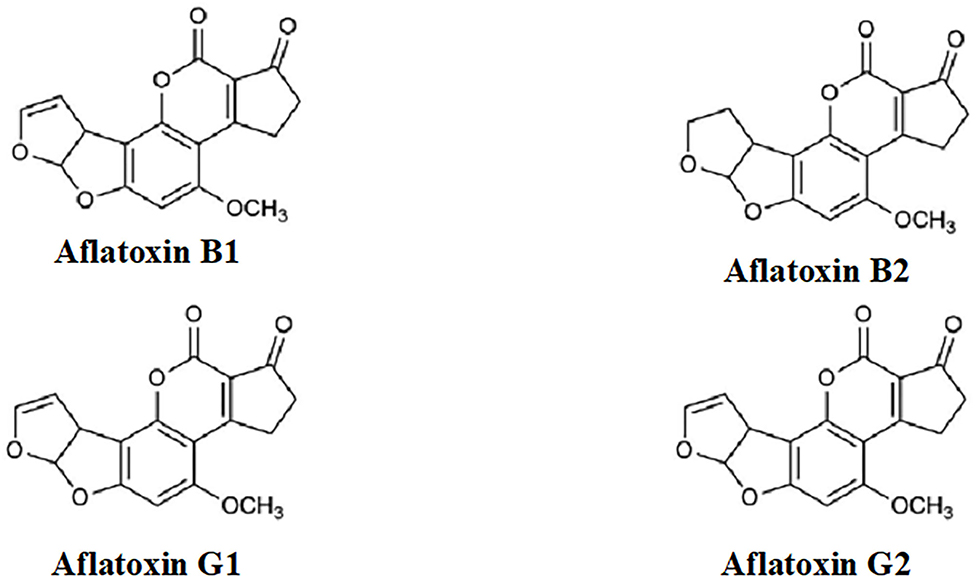 Mycotoxins, toxic secondary metabolites produced by fungi, have been known to be a significant concern in cannabis testing, particularly when considering medical cannabis patients. Plant material must certainly be tested for mycotoxins, but what about extractions created from that plant material? Do mycotoxins in the plant transfer to the extracts? This journal article by Serafimovska et al. provides the results of research examining that issue. The authors first provide background about mycotoxins and cannabis, and then they discuss the materials and methods (as well as their validation) used in their research. In their discussion and concluding remarks, they note that making extracts from plant materials with the maximum allowed amount of mycotoxins added to them produced extracts with mycotoxins "in an amount much higher than the amount in which we added them." They add: "With this experiment, we have shown that aflatoxins as extremely toxic secondary metabolites, can reach critical values in cannabis extracts obtained from dry cannabis flowers with the maximum allowed quantity of aflatoxins ... [and] can pose a great risk to consumers and their health, especially to those with compromised immune systems."
5 Ways to Improve Your LabWare LIMS in Phase 2
 Here you are! You survived your LabWare LIMS implementation; it’s been running for a while and your users have gotten used to the new way of working that the LIMS has brought into their lives (and to the variety of new tasks that it involves).
[Read More]





