

Laboratory Informatics Weekly Update – Volume 20, Issue 3
January 19, 2022 Laboratory Informatics Weekly Update Volume 20, Issue 3 In This Issue Featured Books The Complete Guide to LIMS and Laboratory Informatics: 2022 Edition Featured Content 01/19/2022 - First web-based LIMS provider, LabLynx, announces major brand refreshLeading cloud-based laboratory information management system (LIMS) and laboratory informatics solution provider LabLynx announced on January 19, 2022, it has completed a major brand refresh. The brand refresh encompasses a new logo, updated typeface, new website and refreshed color pallet. [Read More] 01/19/2022 - Australian Cellular Genomics Institute Adopts Matrix Gemini Biobank Manager Autoscribe Informatics is pleased to announce that the…The impact of extraction protocol on the chemical profile of cannabis extracts from a single cultivar
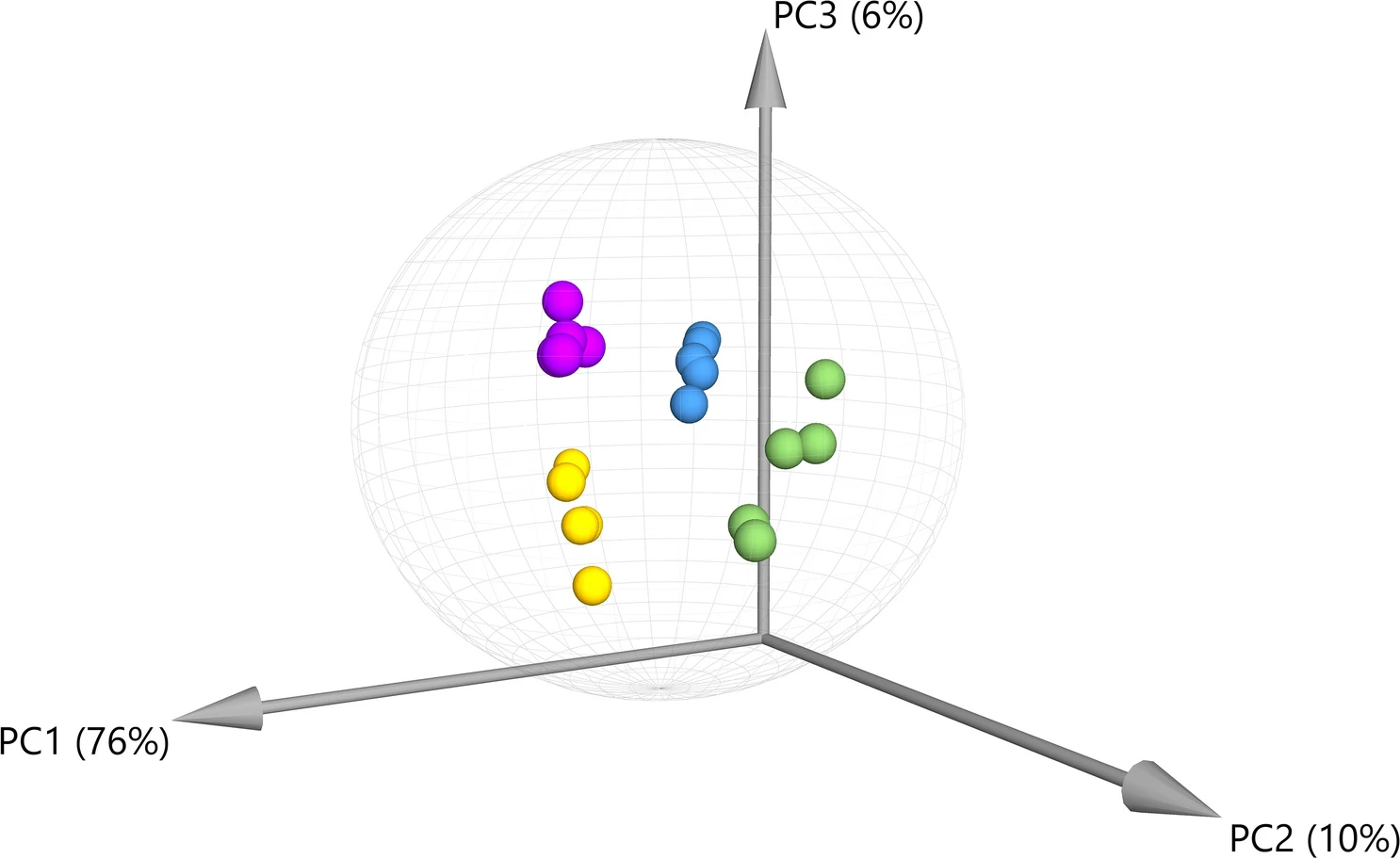 As with preparing samples in other fields of science, the processing method for cannabis in order to measure its analytes can vary, sometimes significantly. However, some standardized processes for, e.g., extraction protocols, do exist, though one process may still differ slightly from another. According to Bowen et al. of Colorado State University and Charlotte’s Web, Inc., a knowledge gap exists concerning what the composition results of varying extraction protocols are on cannabis. In this 2021 paper, the authors seek to address that knowledge gap, using a single proprietary cannabis cultivar and 20 commercial extraction procedures. The authors conducted principal component analysis (PCA) using a variety of gas chromatography–mass spectrometry (GC–MS), ultra high-performance liquid chromatography-tandem mass spectrometry (UPLC-MS/MS), and inductively coupled plasma-mass spectrometry (ICP-MS) techniques. They found discrepancies in the bioactive chemical profiles across the different extraction protocols, leading them to conclude a definitive "need for further research regarding the influence of processing on therapeutic efficacy, as well as the importance of labeling in the marketing of multi-component cannabis products."
Case Study: SAP Augmentation via LabWare Integration
 Astrix LabWare Integration enabled a global company with operations across 54 countries to streamline their process for entering, documenting, and reporting their compliance with environmental regulations associated with water quality, including ISO/IEC 17025. In under six months...
[Read More]
Software Architecture: What Makes it Good, or Not?
 Clinical diagnostic laboratories must have high-quality software in order to run reliably and efficiently. But quality is about more than just the software code. Quality must also be the foundation of the software architecture.
[Read More]
Laboratory Informatics Weekly Update – Volume 20, Issue 2
January 12, 2022 Laboratory Informatics Weekly Update Volume 20, Issue 2 In This Issue Featured Books The Complete Guide to LIMS and Laboratory Informatics: 2022 Edition Featured Content 01/12/2022 - Case Study: SAP Augmentation via LabWare Integration Astrix LabWare Integration enabled a global company with operations across 54 countries to streamline their process for entering, documenting, and reporting their compliance with environmental regulations associated with water quality, including ISO/IEC 17025. In under six months... [Read More] 01/12/2022 - Software Architecture: What Makes it Good, or Not?Clinical diagnostic laboratories must have high-quality software in order to run reliably and efficiently.…10 Ways to Ensure Data Integrity
 Data Integrity can be expressed as the consistency and trustworthiness of data over the course of its lifecycle. The status of your data, or the process of guaranteeing the quality and validity...[Read More]
Why Data Integrity is Important to Life Sciences Organizations
 What is data integrity?
Data Quality versus Data Integrity. Data Quality refers to the traits that determine the ability of information to suit an intended function, such as planning, decision making, and operations... [Read More]
Labs of the 21st Century: The Age of Digital Transformation
 The life sciences industry is rapidly changing and always seeking to research and innovate in the most efficient and accurate way possible. The development of digital technologies opened the door to a world of possibilities for many scientific industries, especially those that are data-driven and rely on...
[Read More]
Laboratory Informatics Weekly Update – Volume 20, Issue 1
January 5, 2022 Laboratory Informatics Weekly Update Volume 20, Issue 1 In This Issue Featured Books LIMSjournal - Winter 2021 Featured Content 01/05/2022 - 10 Ways to Ensure Data IntegrityData Integrity can be expressed as the consistency and trustworthiness of data over the course of its lifecycle. The status of your data, or the process of guaranteeing the quality and validity...[Read More] 01/05/2022 - Why Data Integrity is Important to Life Sciences OrganizationsWhat is data integrity? Data Quality versus Data Integrity. Data Quality refers to the traits that determine the ability of information to suit an intended function, such…Quality management system implementation in human and animal laboratories
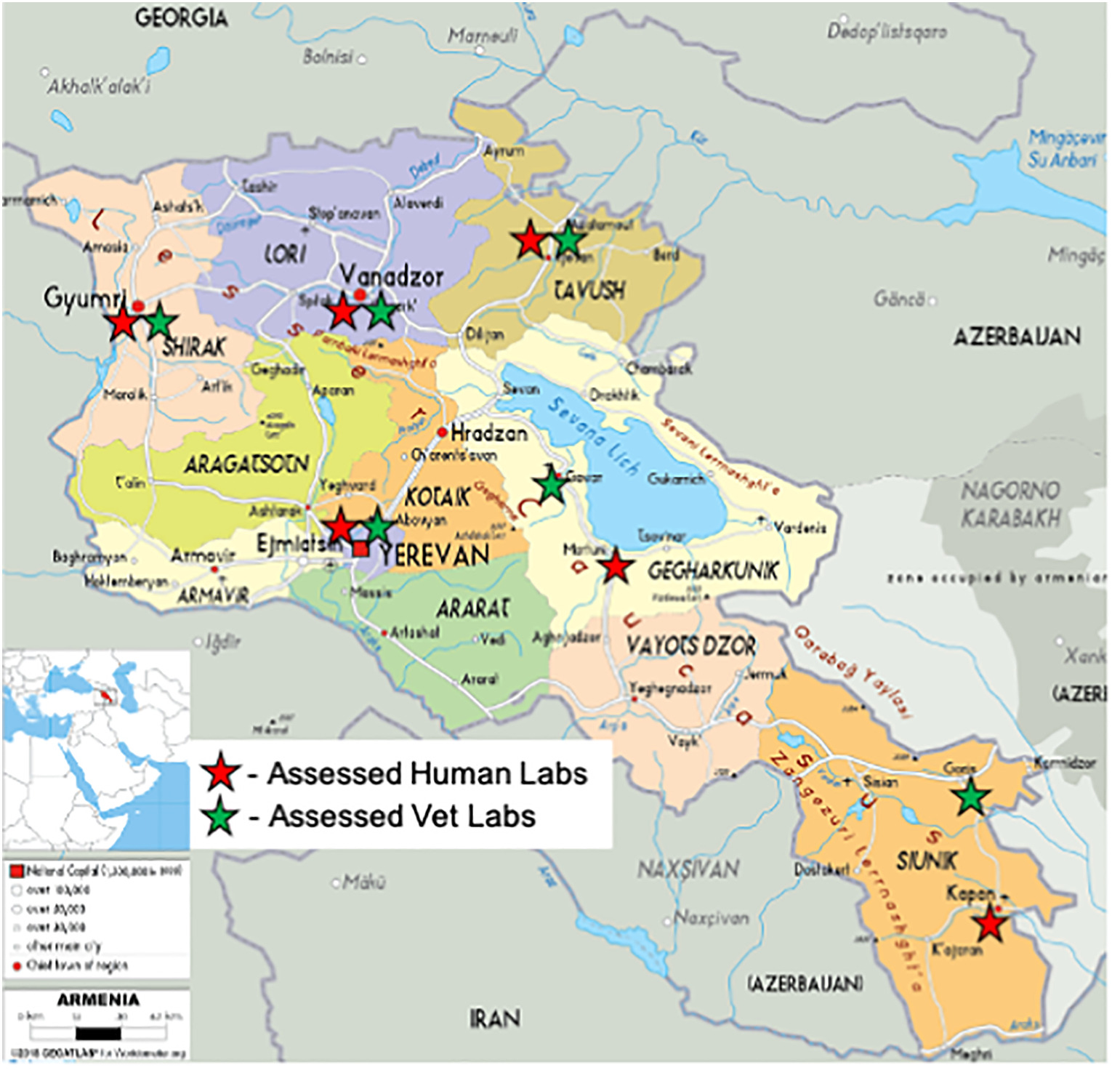 In this 2021 paper published in the journal One Health, Kachuwaire et al.discuss the results of an Armenian effort to strengthen the human and veterinary laboratory quality management system (QMS) programs across 15 laboratories. This QMS strengthening, based on World Health Organization and World Organization for Animal Health guidelines, occurred between 2017 and 2020, followed by an assessment of the program's success. After reviewing their assessment methods, the authors discuss the results, noting that in both human and veterinarian labs, improvements were seen in the "areas of organizational structure, human resources, equipment management, supply chain, and data management," though some laboratories still showed poor results afterwards. Their findings indicated those labs that tended to do poorly post-implementation lacked a supportive long-term quality manager, "demonstrating the importance of a full-time or substantive quality manager."
Data management and modeling in plant biology
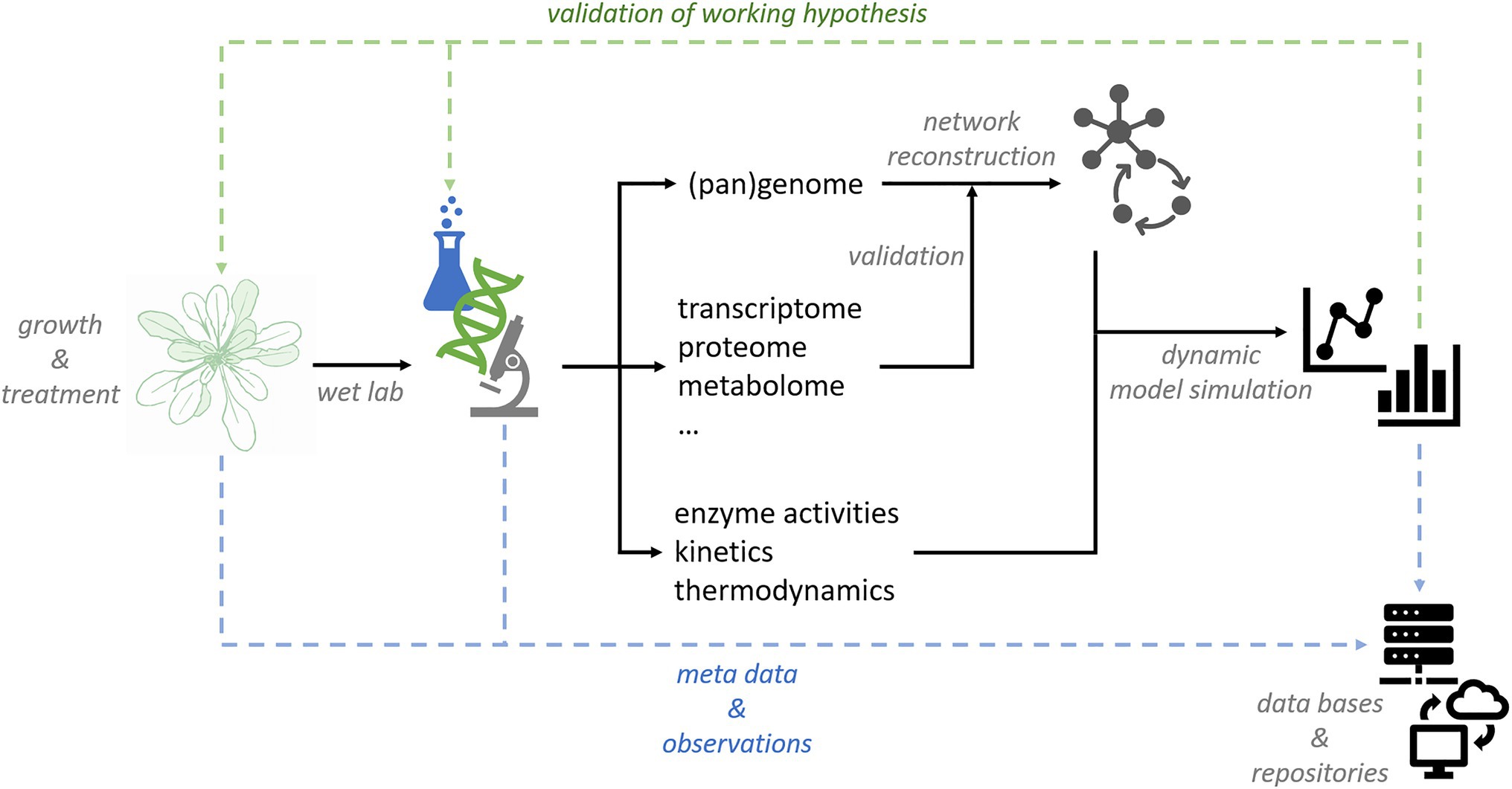 For those studying plant biology and how the environment affects it, the recognition of that study as being multidisciplinary, challenging, and vital is growing. However, as Krantz et al. point out in their 2021 paper published in Frontiers in Plant Science, that recognition alone is not enough. Given multi-omics research into plant biology and the environmental sciences over recent decades, as well as disparate data formats and management strategies across the many related disciplines, bringing this varied multidisciplinary data together for research is difficult, slowing the modern research process down. The authors review these incoherencies and discuss several ways in which " a quantitative model of plant-environment interactions" is required to advance such research. After their introduction, the authors discuss important components of this model, including genome-scale metabolic network reconstruction, quantitative large-scale experiments on integrative platforms, quantitative analysis methods, and research data management systems. They conclude that these elements, and others, will help lead to more "efficient use of experimental findings."
How to Create Solid User Requirements for a System Application
 A laboratory informatics solution (e.g., LIMS, ELN, CDS) is only as strong as its foundation. The strongest foundation for a laboratory informatics solution implementation is a thorough user requirements document, generated to identify exactly what the system is intended to do.
[Read More]





