Laboratory Informatics Weekly Update – Volume 19, Issue 48
December 8, 2021 Laboratory Informatics Weekly Update Volume 19, Issue 48 In This Issue Featured Books LIMSjournal - Fall 2021 Featured Content 12/15/2021 - Hire, Retain and Grow Talent Today without Breaking the Bank As anyone who has tried to fill Life Science positions lately can tell you, skilled individuals in a handful of industry sectors have become extremely difficult to find and hire. Growth in the Life Sciences industry is underscored by what’s happening in the real estate market. [Read More] 12/15/2021 - Accelerating Medicinal Chemistry Cycle Times Through Cloud-Accessible Smart Automated LabsWe are excited to share that…Directions in Laboratory Systems: One Person’s Perspective
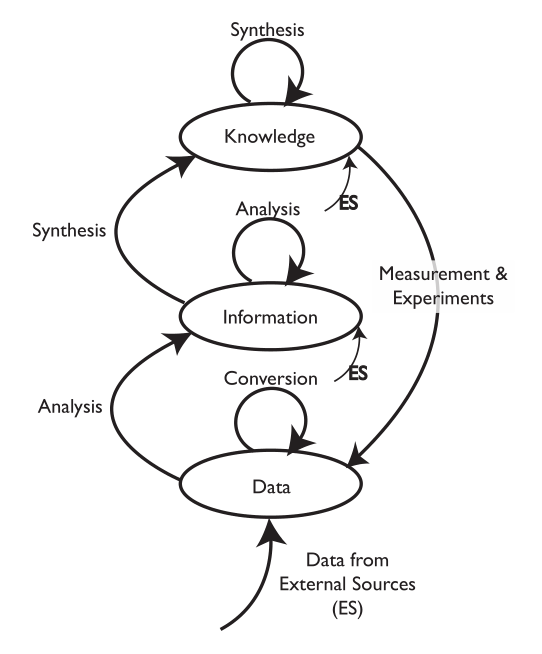 Veteran laboratory automation/computing professional Joe Liscouski is at it again, this time releasing a perspective piece that takes elements from more than 15 years of writing and presentation, painting a nuanced approach to planning for the use of computer systems in the laboratory. In particular, this November 2021 work continues to expand on the importance of laboratory systems engineering in the laboratory of the future. After providing a full introduction, Liscouski examines both the past and present of laboratory computing and how the automation aspects of that computing affects laboratory personnel. He then goes on to espouse the benefits of a more industry-wide approach to addressing the technological and educational needs of laboratories of all types, particularly in regard to how standardization plays an important role. He then addresses laboratory work itself, how automation can move that work forward, and how to effectively apply that automation to the laboratory. Finally, Liscouski closes by emphasizing the importance of a "center for laboratory systems engineering" to help centralize the efforts mentioned in the guide. A sizeable appendix is included, providing more historical perspective to the work and its conclusions.
What Your Lab Can Do to Save Costs in a LIMS Implementation
 A laboratory information management system (LIMS) is a significant investment and, as with most infrastructure costs, it can be hard to justify making the spend when your current laboratory data processes are working. In many cases, the choice boils down to not what’s working in your lab, but what could be working better.
[Read More]
Lab Innovations 2021 – Great to See You!
 Lab Innovations is the UK’s annual laboratory conference. Like the PITTCON conference in the US it attracts a wide audience from all laboratory sectors. Indeed, the last in-person event I attended with Autoscribe was Pittcon 2020, roughly 18 months previously.
[Read More]
Validation 4.0 – The Benefits to the Life Sciences Industry
 The objective of Validation 4.0 is to provide a risk-based method for process performance qualification that involves a uniform, coordinated and unified approach to computer system validation. It is based on the Pharma 4.0™ operating model and includes a thorough control plan, as well as digital maturity and data integrity by design.
[Read More]
Chemistry Data Migration Challenges and Best Practices
 Most organizations are unprepared for the complexities involved in legacy data migration, but chemistry data migration is in a class all by itself. Successful migration of chemistry structure and reaction data requires a highly specialized and experienced team to ensure your valuable R&D assets and IP are protected and preserved…
[Read More]
Lab Software Quality: What is Validation & Why is it Important?
 Validation is the process of establishing evidence that a laboratory method or software does what it’s intended to do. That sounds simple enough, but it can get confusing when it’s used in different contexts.
[Read More]
Laboratory Informatics Weekly Update – Volume 19, Issue 47
December 1, 2021 Laboratory Informatics Weekly Update Volume 19, Issue 47 In This Issue Featured Books COVID-19 Testing, Reporting, and Information Management in the Laboratory Featured Content 12/01/2021 - SampleVision™ 2.1— Transforming the End User Experience for Labs EverywhereLIMS Wizards, LLC, a global scientific software solutions provider, is introducing version 2.1 of SampleVision. New User and Administrator configuration tools allow any non-GxP laboratory customer or user to securely submit analysis requests,,, [Read More] 12/01/2021 - What Your Lab Can Do to Save Costs in a LIMS Implementation A laboratory information management system (LIMS) is a significant investment and, as…Fertilization following pollination predominantly decreases phytocannabinoids accumulation and alters the accumulation of terpenoids in Cannabis inflorescences
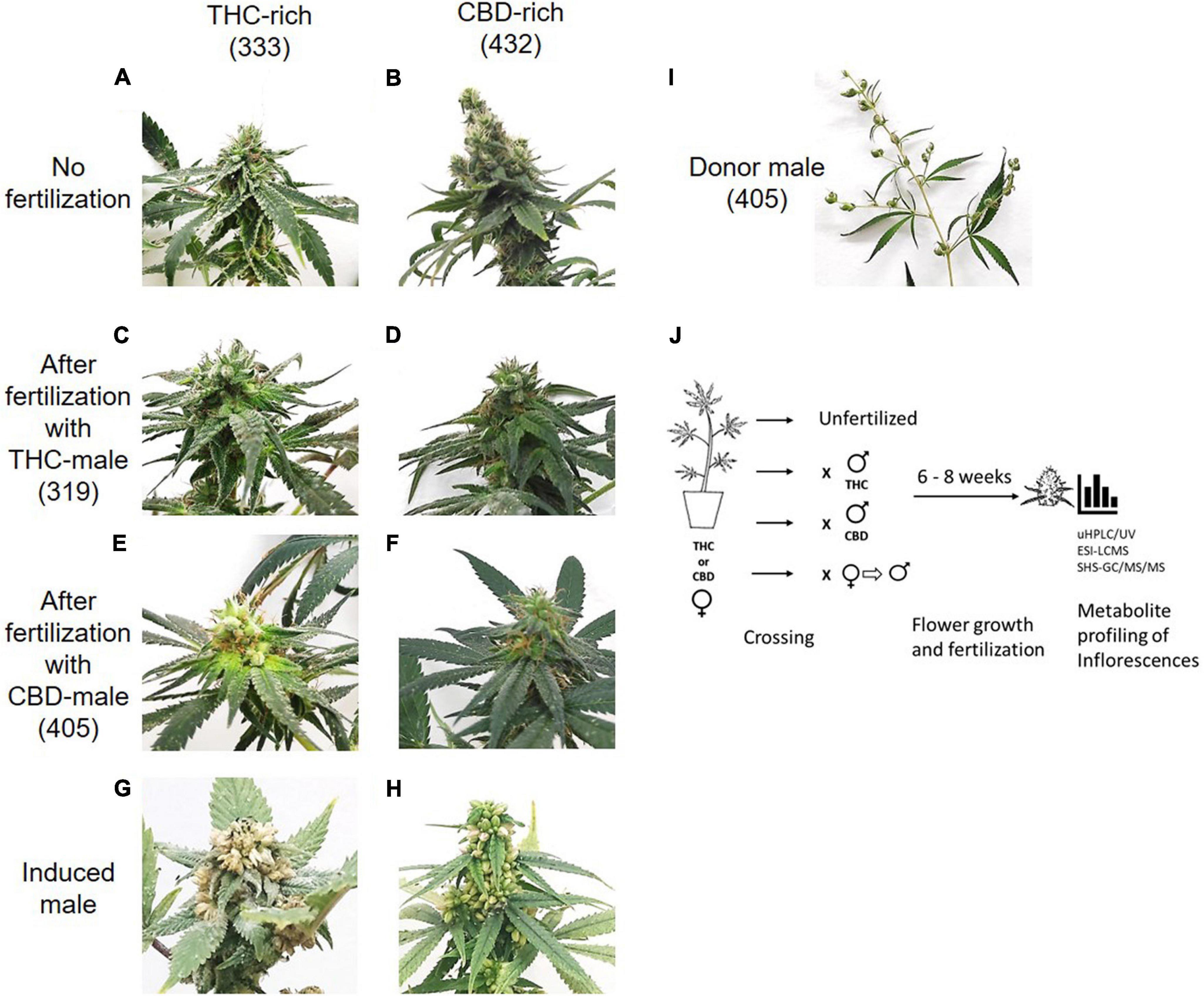 In this 2021 paper published in Frontiers in Plant Science, Feder et al. present the analytical results of Cannabis inflorescences that have been pollinated and fertilized, in an attempt to show that fertilization can affect phytocannabinoid accumulation, among other goals. Noting that growers have recently shifted to using seeds, which can despite feminization reveal to be male seeds five to ten percent of the time, the authors note that this type of research—rarely conducted—is particularly critical to answering questions about how pollination effects phytocannabinoid and terpenoid expression. After providing background information and reviewing materials and methods for their analyses, the authors discuss the results, noting in particular that "phytocannabinoid quantity predominately decreases after fertilization," terpenoid quantity can vary based upon the type of female plant, and that "individual terpenoid concentrations are differentially affected by fertilization." After further discussion, they conclude not only the three prior-mentioned findings, but they also by extension suggest that their findings indicate the "functional roles" of phytocannabinoids and terpenoids in Cannabis's plant life cycle.
Error evaluation in the laboratory testing process and laboratory information systems
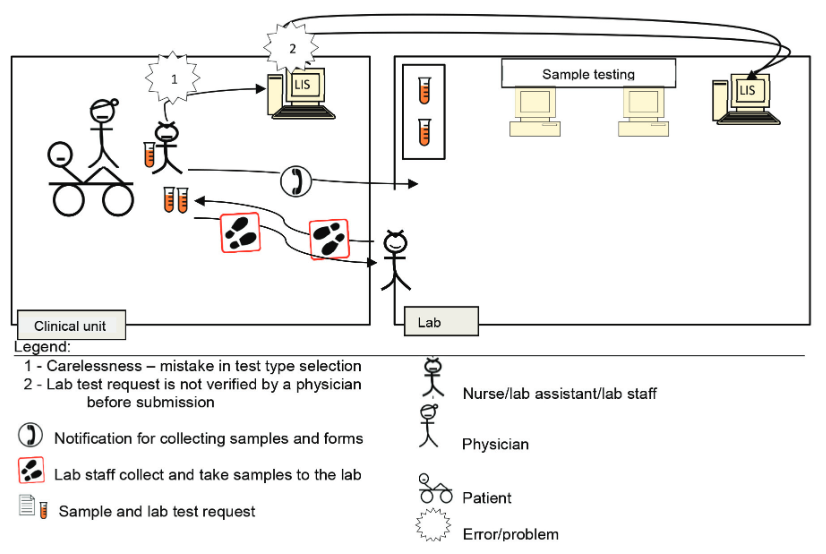 In this 2021 journal article published in Journal of Medical Biochemistry, Arifin and Yusof of Universiti Kebangsaan Malaysia examine the error factors that come with using a laboratory information system (LIS) and propose the "total testing process for laboratory information systems" (TTP-LIS). This process leans on a variety of existing frameworks and lean quality improvement methods to meet the authors' needs and is applied to two large hospitals in Malaysia. After examining human, technology, and organizational factors, the authors discuss their findings, noting that their "findings showed the practicality of the TTP-LIS framework as an evaluation tool in identifying errors and their causal factors. The use of lean tools—namely, VSM, A3, and 5 Why—enabled us to analyze and visualize the root cause of problems in an objective and structured manner. " Those root causes were able to be categorized in three ways: "as a latent failure in system development, as poor error management, and as unsatisfactory lab testing processes and LIS use."
Case Study: LabWare LIMS Implementation for a Global CRO
 A global contract research organization (CRO) specializing in clinical research was faced with a 25-year-old laboratory informatics system (LIMS) that was central to running their core business. This legacy system had been designed in-house, primarily by the business user community, in an ad hoc manner.
[Read More]
Can One LIMS Cover All Your Needs?
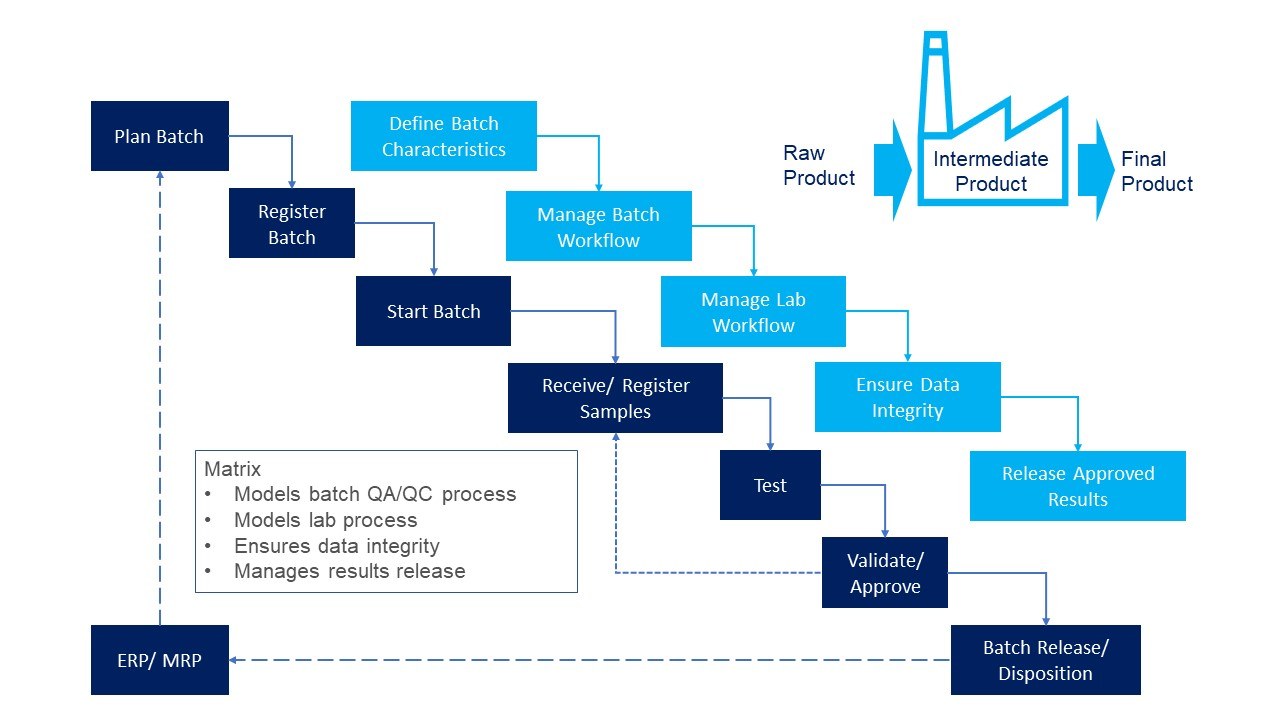 LIMS can cover many different requirements in your business. But can one LIMS cover all of them?
Are you constantly surprised by the variety of work your laboratory is asked to do? While the main purpose of your lab may be to test the quality of manufactured products...
[Read More]