New Developments in Diagnostics: Ways to Strengthen Your Lab’s Business Model
 As we reflect on 2021, the ApolloLIMS team has noticed some interesting developments in the diagnostics space. The combination of the COVID-19 pandemic along with some other general developments within the biotech sector overall have combined to impact the diagnostic space for the better.
[Read More]
Four Popular Search Topics for Labs in 2021
 This past year presented many difficulties and challenges for everyone, especially for labs dealing with the demands of COVID testing and working to share their data with other health systems. Learn more about the trends we saw affecting clinical labs in 2021, and what topics most readers were interested in on our blog.
[Read More]
Customers Make Use of the Highly Configurable Nature of Matrix Gemini LIMS to Meet Their Diverse Needs
 Too often companies implementing multi-site, multi-national, multi-discipline LIMS do so based on the needs of a single lead site. This may potentially ignore the needs of other sites; a mistake that only shows itself when trying to roll out the LIMS solution across the globe.
[Read More]
Laboratory Informatics Weekly Update – Volume 19, Issue 50
December 22, 2021 Laboratory Informatics Weekly Update Volume 19, Issue 50 In This Issue Featured Books COVID-19 Testing, Reporting, and Information Management in the Laboratory Featured Content 12/22/2021 - How to Create Solid User Requirements for a System ApplicationA laboratory informatics solution (e.g., LIMS, ELN, CDS) is only as strong as its foundation. The strongest foundation for a laboratory informatics solution implementation is a thorough user requirements document, generated to identify exactly what the system is intended to do. [Read More] 12/22/2021 - New Developments in Diagnostics: Ways to Strengthen Your Lab’s Business ModelAs we reflect on 2021, the…Sample identifiers and metadata to support data management and reuse in multidisciplinary ecosystem sciences
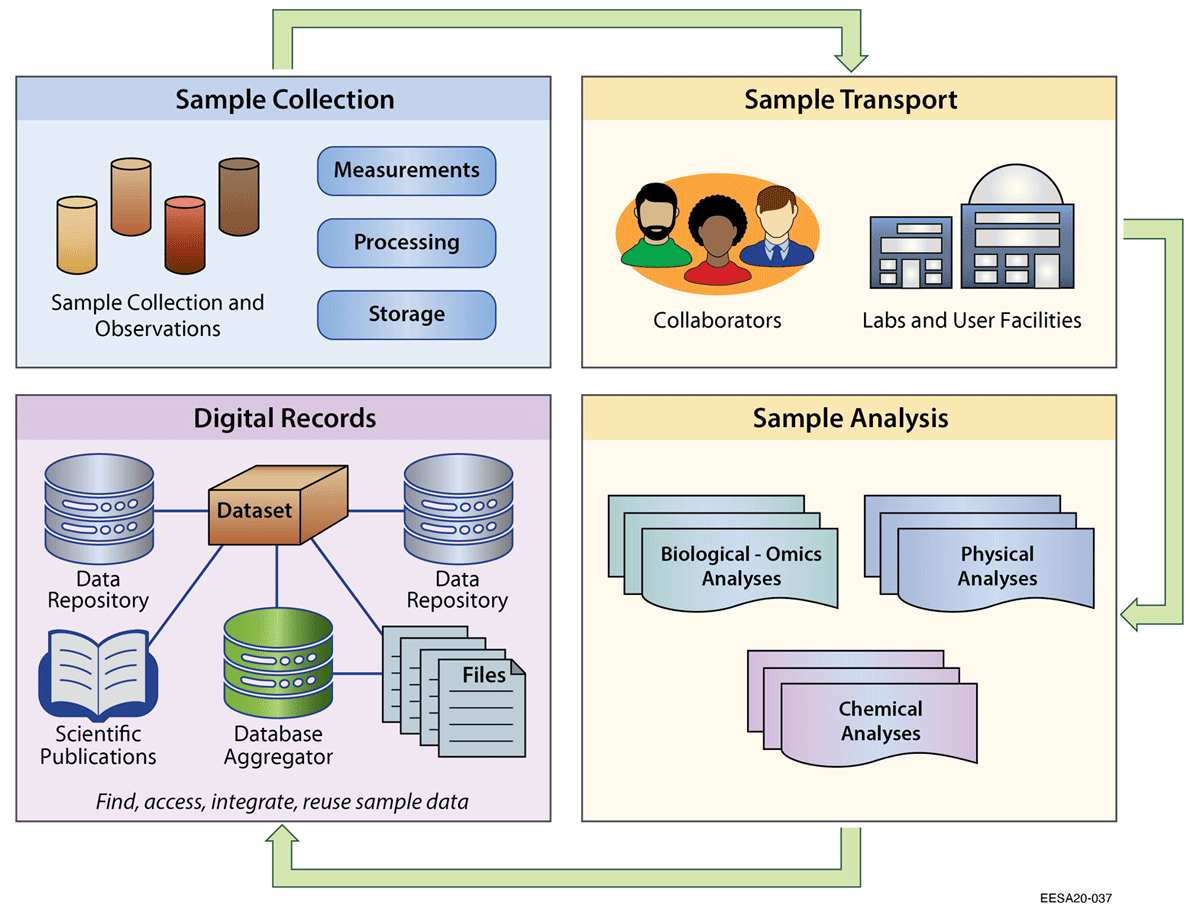 In this 2021 journal article published in Data Science Journal, Damerow et al. emphasize that while sample-based research is critical to a wide range of ecosystem sciences, the increasingly multidisciplinary approach to those sciences requires a better, more coordinated practice of sample identification and data management. "While there are widely adopted conventions within certain domains to describe sample data," they say, "these have gaps when applied in a multidisciplinary context." With this paper, the authors present a more practical approach to sample identification and management that takes into account the multidisciplinary requirements of ecosystems research. After a brief review of literature and existing sample identification methods, guidance, and standards, they describe their pilot program for standardizing sample metadata and propose several benefits to the program. They conclude that "user-friendly guidance and sample metadata templates are an essential step in promoting standard practices that make data publishing, integration, and reuse easier," though proper training, legacy data management tools, and information management systems are also important components towards those goals.
Hire, Retain and Grow Talent Today without Breaking the Bank
 As anyone who has tried to fill Life Science positions lately can tell you, skilled individuals in a handful of industry sectors have become extremely difficult to find and hire. Growth in the Life Sciences industry is underscored by what’s happening in the real estate market.
[Read More]
Accelerating Medicinal Chemistry Cycle Times Through Cloud-Accessible Smart Automated Labs
 We are excited to share that Strateos’ SVP of Strategy & Operations, Daniel Sipes, will be delivering a presentation entitled Accelerating Medicinal Chemistry Cycle Times Through Cloud-Accessible Smart Automated Labs at the upcoming 2022 Society for Laboratory Automation and Screening Conference & Exhibition between February 5-9th.
[Read More]
How using a LIMS Improves Business Profitability and Efficiency
 Quality management is at the basis of every successful business or organisation and, especially for biobank facilities and research and development centres, being able to keep a complete track record for each sample stored is crucial.
[Read More]
Best practice recommendations for the implementation of a digital pathology workflow in the anatomic pathology laboratory by the European Society of Digital and Integrative Pathology (ESDIP)
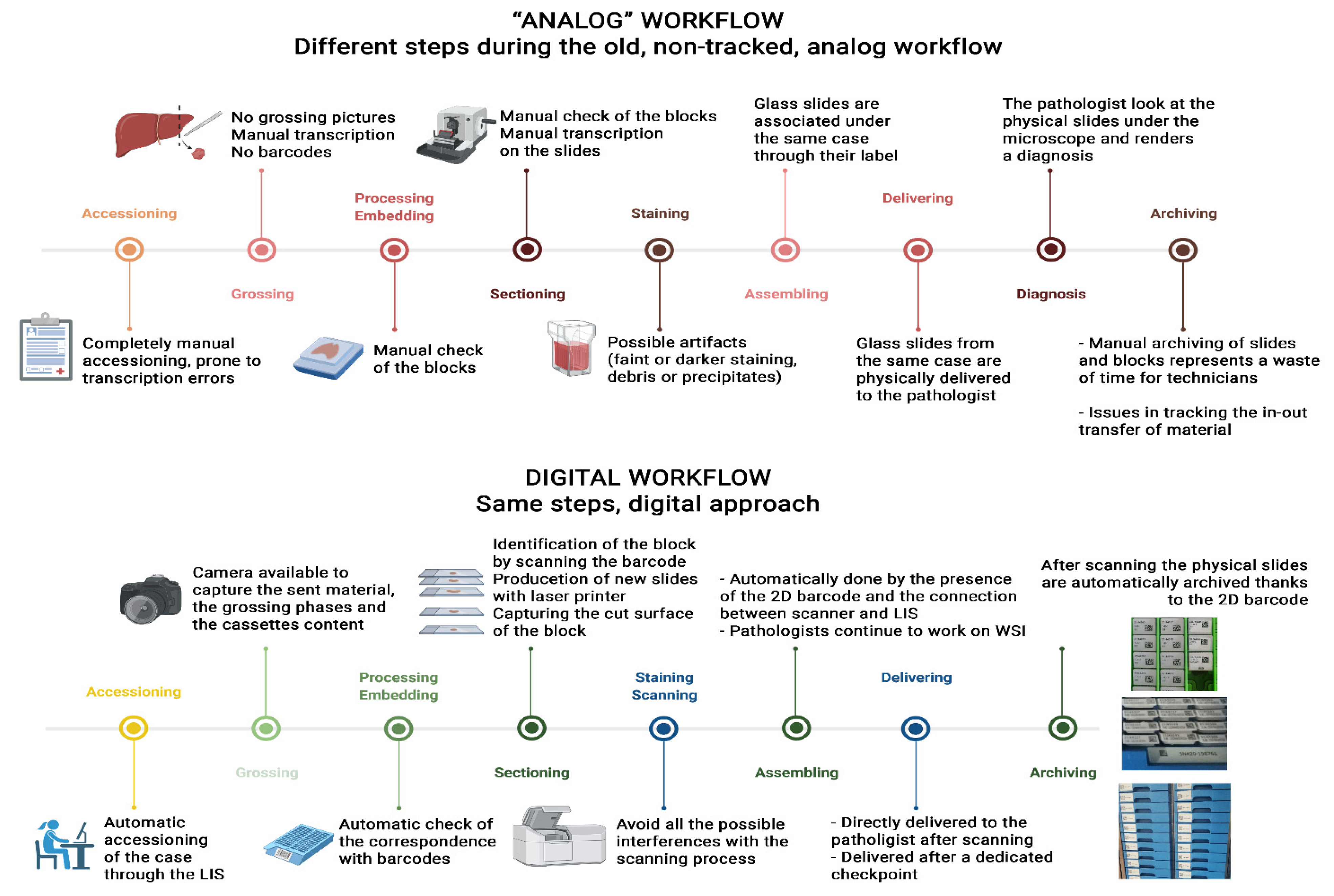 The implementation of digital pathology workflows has seen an uptick in interest in recent years, though as Fraggetta et al. point out in this 2021 journal article, only a minority of pathology laboratories have fully embraced these workflows. Wanting to increase the adoption rate of digital pathology, the authors present their experiences with digital pathology and focus on four critical considerations to improve adoption rates. After presenting a brief introduction to digital pathology, the authors discuss various aspects of involvement, optimization, and automation required to get digital pathology projects initially started. They then commit a significant portion of their paper to discussing the quality control program that must be implemented as part of a digital pathology workflow. They also address whole slide imaging and its validation, as well as retention policies, results evaluation, and the necessary maintenance of workflows after implementation. They conclude with 10 basic principles (classified as recommendations or suggestions) to address when transitioning from "a classic, 'analog' to a completely digital workflow," adding that " the present document represents a practical, handy reference for the correct implementation of a digital workflow in Europe."
Laboratory Informatics Weekly Update – Volume 19, Issue 49
December 15, 2021 Laboratory Informatics Weekly Update Volume 19, Issue 49 In This Issue Featured Books LIMSjournal - Fall 2021 Featured Content 12/15/2021 - Hire, Retain and Grow Talent Today without Breaking the Bank As anyone who has tried to fill Life Science positions lately can tell you, skilled individuals in a handful of industry sectors have become extremely difficult to find and hire. Growth in the Life Sciences industry is underscored by what’s happening in the real estate market. [Read More] 12/15/2021 - Accelerating Medicinal Chemistry Cycle Times Through Cloud-Accessible Smart Automated LabsWe are excited to share that…Software Quality and Lab Quality: What’s the Difference?
 Quality is critical in clinical diagnostics labs because errors in any step of the testing process could result in dire consequences for the patient. Just as regulated laboratories have implemented QA and QC for lab processes, do you have strict quality measures for your lab software as well?
[Read More]
Validation 4.0 Model for a Digital Transformation of the Life Sciences Industry
 Validation 4.0 requires a high level of data integration, increased supply chain visibility and resiliency, and that the right processes, skillset and technology are leveraged. In order to ensure success of Validation 4.0 implementation, organizations need to understand how Validation 4.0 maps to the Product Life Cycle (PLC)...
[Read More]