CloudLIMS April 2018 newsletter is now out. It contains information about our latest releases.
 CloudLIMS April 2018 newsletter is now out. It contains information about our latest releases.
Laboratory Informatics Weekly Update – Volume 16, Issue 17
April 25, 2018 Laboratory Informatics Weekly Update Volume 16, Issue 17 In This Issue Upcoming Webinars 04/26/2018 - Webinar: A Guide for Laboratory Systems Management, Part 5: Supporting Laboratory Systems05/08/2018 - Webinar: Using AI and IoT to Accelerate Research05/15/2018 - Webinar: Roundtable on Open Source and Open Standards in Imaging Informatics Journal Articles Implementation and use of cloud-based electronic lab notebook in a bioprocess engineering teaching laboratoryIn this 2017 paper published in the Journal of Biological Engineering, Riley et al. of Northwestern University describe their experience with implementing the LabArchives cloud-based electronic laboratory notebook (ELN) in their bioprocess engineering…Implementation and use of cloud-based electronic lab notebook in a bioprocess engineering teaching laboratory
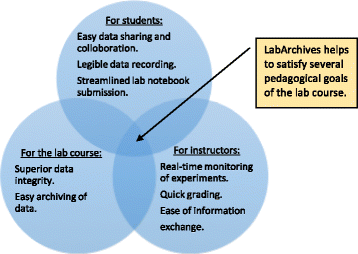 In this 2017 paper published in the Journal of Biological Engineering, Riley et al. of Northwestern University describe their experience with implementing the LabArchives cloud-based electronic laboratory notebook (ELN) in their bioprocess engineering laboratory course. The ultimate goal was to train students to use the ELN during the course, meanwhile promoting proper electronic record keeping practices, including good documentation practices and data integrity practices. They concluded that not only was the ELN training successful and useful but also that through the use of the ELN and its audit trail features, "a true historical record of the lab course" could be maintained so as to improve future attempts to integrate the ELN into laboratory training.
Key Questions To Ask When Choosing Your Next LIMS
 Choosing a new LIMS (Laboratory Information Management System) or upgrading an existing one can be quite a challenge. A recent webinar from Autoscribe Informatics entitled ‘Key Questions To Ask When Choosing Your Next LIMS’ can now be viewed.
CloudLIMS Version 1.71 Released!
CloudLIMS, an advanced SaaS LIMS, accelerates biobanking, clinical research, and testing laboratory operations by efficiently managing laboratory data on a centralized cloud platform. The new features and enhancements, included in CloudLIMS version 1.71, help clinical and testing laboratories reduce turnaround times, improve client services, and further advance laboratory data management.
A Core Lab Means Business: Best Practices for the Bottom Line
 There are over 700 core labs and facilities in the U.S. and they are the backbones of the R&D world. A core lab is typically part of an academic organization, serving institutional researchers working in individual laboratories as well as providing services for external customers. Core labs frequently are subject matter experts when it comes to equipment and techniques. As a result, the impact of core labs extends beyond their immediate institutions; so do the business challenges they face.
Laboratory Informatics Weekly Update – Volume 16, Issue 16
April 18, 2018 Laboratory Informatics Weekly Update Volume 16, Issue 16 In This Issue Upcoming Webinars 04/24/2018 - Astrix Webinar – Evaluating Legacy LIMS Part 1: Re-Engineering Your Legacy System04/26/2018 - Webinar: A Guide for Laboratory Systems Management, Part 5: Supporting Laboratory Systems Blogs Key Questions To Ask When Choosing Your Next LIMSChoosing a new LIMS (Laboratory Information Management System) or upgrading an existing one can be quite a challenge. A recent webinar from Autoscribe Informatics entitled ‘Key Questions To Ask When Choosing Your Next LIMS’ can now be viewed. CloudLIMS Version 1.71 Released!CloudLIMS, an advanced SaaS LIMS, accelerates…An open experimental database for exploring inorganic materials
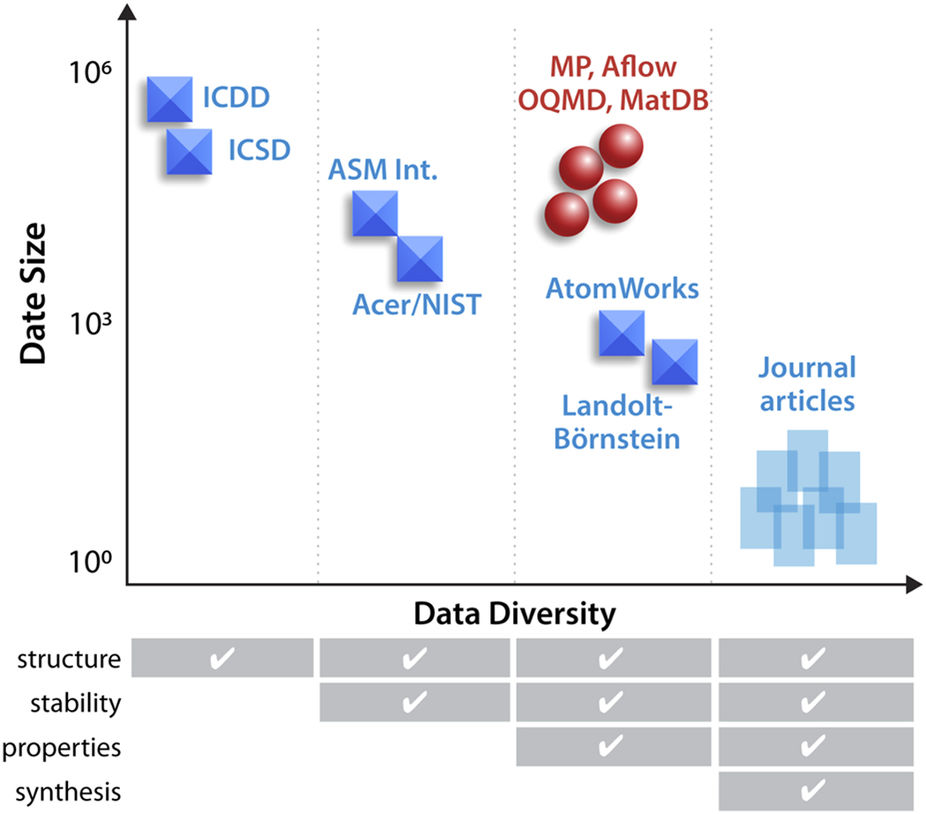 When it comes to experimental materials science, there simply aren't enough "large and diverse datasets" made publicly available say National Renewable Energy Laboratory's Zakutayev et al. Noting this lack, the researchers built their own High Throughput Experimental Materials (HTEM) database containing 140,000 sample entries and underpinned by a custom laboratory information management system (LIMS). In this 2018 paper, the researchers discuss HTEM, the LIMS, and the how the contained sample data was derived and analyzed. They conclude that HTEM and other databases like them are "expected to play a role in emerging materials virtual laboratories or 'collaboratories' and empower the reuse of the high-throughput experimental materials data by researchers that did not generate it."
Evaluating Legacy LIMS Part 1: Re-engineering Your System


The first laboratory information management systems (LIMS) were designed as simple tracking tools that enabled systematic control of workflows in regulated laboratories. More recently, LIMS have evolved into something more akin to an enterprise resource planning tool for the lab that has the ability to manage many different aspects of operations across the full data lifecycle – resource management/scheduling, assay data management, data mining, data analysis, case-centric clinical data, and electronic laboratory notebook (ELN) integration.…
Laboratory Informatics Weekly Update – Volume 16, Issue 15
April 11, 2018 Laboratory Informatics Weekly Update Volume 16, Issue 15 In This Issue Upcoming Webinars 04/18/2018 - Webinar: 21 CFR Part 11: 20 Years Later04/24/2018 - Astrix Webinar – Evaluating Legacy LIMS Part 1: Re-Engineering Your Legacy System04/26/2018 - Webinar: A Guide for Laboratory Systems Management, Part 5: Supporting Laboratory Systems Blogs Evaluating Legacy LIMS Part 1: Re-engineering Your System Taking a look at the massive open online course (MOOC): My experience with edXOn several occasions over the past few years, I’ve put my prior experience as an English teacher and tutor to work, developing basic online course…Broad-scale genetic diversity of Cannabis for forensic applications
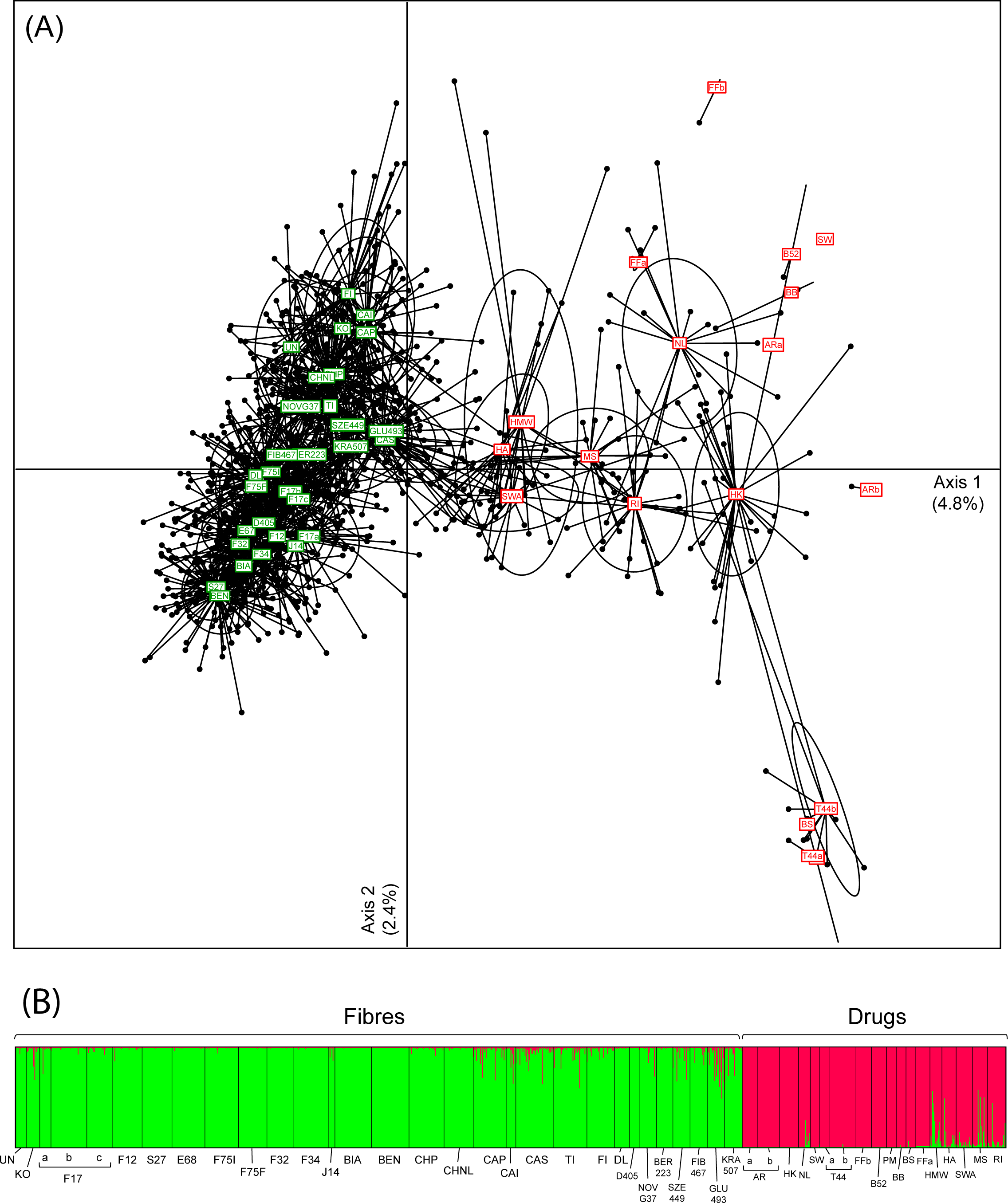 "Cannabis ... is an iconic yet controversial crop," begin Dufresnes et al. in this 2017 paper published in PLOS ONE. They reveal that in actuality, due to regulations and limitations on supply, we haven't performed the same level of genetic testing on the crop in the same way we have others. Turning to next-generation sequencing (NGS) and genotyping, we can empower the field of Cannabis forensics and other research tracks to make new discoveries. The researchers discuss their genetic database and how it was derived, ultimately concluding that databases like theirs and the "joint efforts between Cannabis genetics experts worldwide would allow unprecedented opportunities to extend forensic advances and promote the development of the industrial and therapeutic potential of this emblematic species. "
Taking a look at the massive open online course (MOOC): My experience with edX
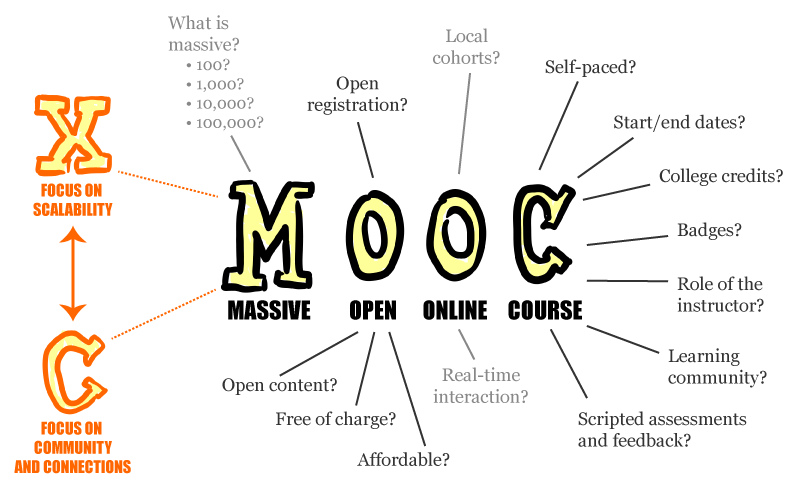 On several occasions over the past few years, I’ve put my prior experience as an English teacher and tutor to work, developing basic online course content for clients using learning management tools such as Moodle and LearnDash. This teaching and online course development experience, paired with two years of taking online courses through a community college, has helped shape my opinions concerning online learning. But what of these massive open online courses (MOOCs) that have been gaining in popularity? How do they compare to taking a formal online course through a university of community college? What platforms do they use, and how is the material presented?
I decided to give edX a try for my first MOOC experience.