

CloudLIMS @ISBER 2018 Annual Meeting & Exhibits, Dallas, USA
CloudLIMS, a bronze sponsor of ISBER 2018 Annual Meeting & Exhibits, is excited to exhibit at the annual meeting, to be held in Hyatt Regency Dallas Hotel, Texas, United States, from May 20-24, 2018. This year, we are showcasing our Laboratory Information Management System (LIMS), CloudLIMS, at booth 105.…
Important Factors in LIMS Selection
The basic function of a LIMS is to track samples and store sample workflow related information from the time it enters a laboratory until it is disposed. In this blog, we highlight some important factors to be considered while evaluating a LIMS solution for your laboratory.Laboratory Informatics Weekly Update – Volume 16, Issue 19
May 9, 2018 Laboratory Informatics Weekly Update Volume 16, Issue 19 In This Issue Upcoming Webinars 05/15/2018 - Webinar: Roundtable on Open Source and Open Standards in Imaging Informatics05/23/2018 - Webinar: Lab Informatics Project Leadership: Doing the right things05/24/2018 - Webinar: A Guide for Laboratory Systems Management, Part 6: Instrument Data Systems Journal Articles Unmet needs for analyzing biological big data: A survey of 704 NSF principal investigatorsIn this brief education article published in PLOS Computational Biology, Barone et al. present the results of a survey of funded National Science Foundation (NSF) Biological Sciences Directorate principal investigators and how/if…Unmet needs for analyzing biological big data: A survey of 704 NSF principal investigators
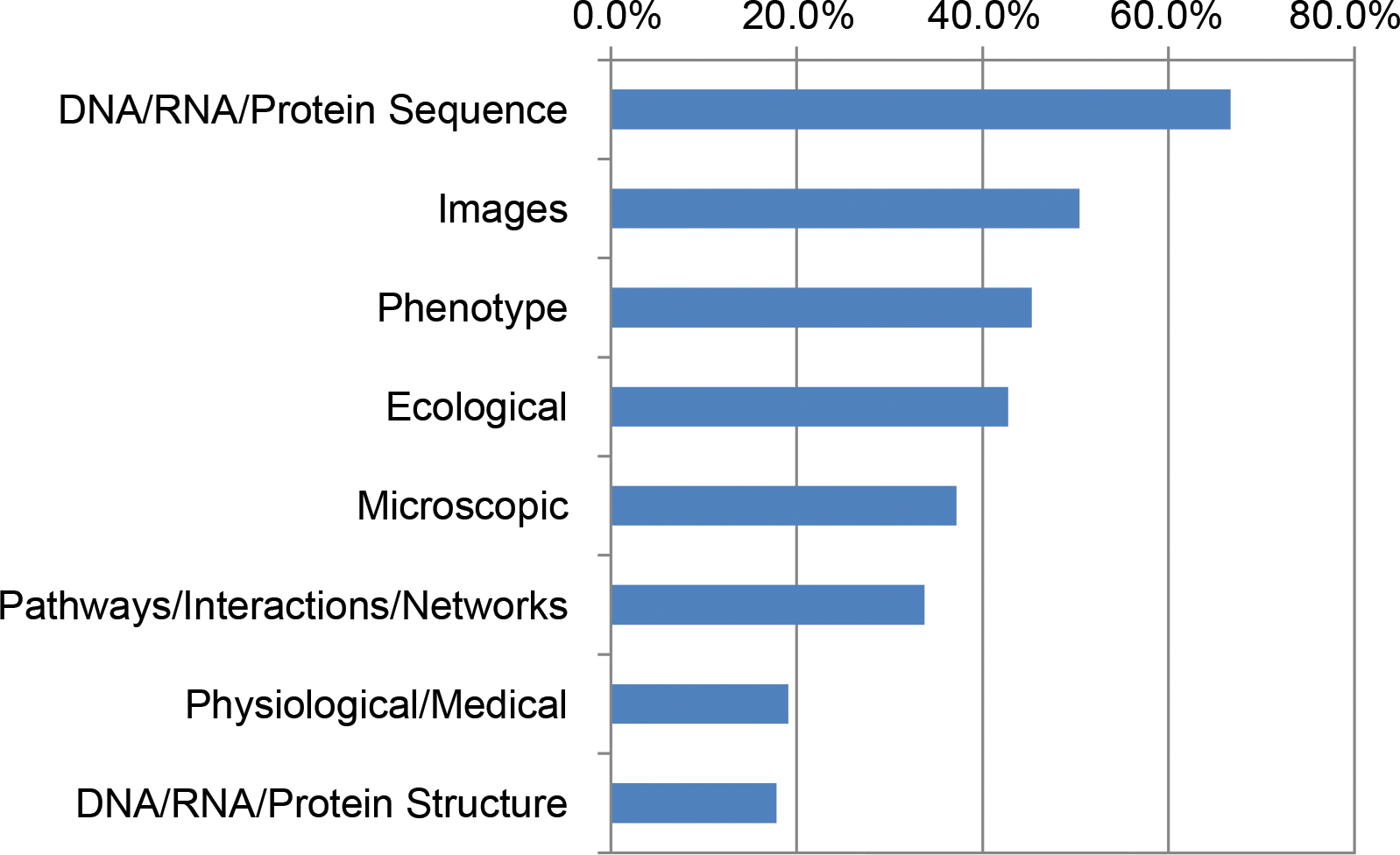 In this brief education article published in PLOS Computational Biology, Barone et al. present the results of a survey of funded National Science Foundation (NSF) Biological Sciences Directorate principal investigators and how/if their computational needs were being met. Citing several other past surveys and reports, the authors describe the state of cyberinfrastructure needs as they understood them before their survey. Then they present their results. "Training on integration of multiple data types (89%), on data management and metadata (78%), and on scaling analysis to cloud/HPC (71%) were the three greatest unmet needs," they conclude, also noting that while hardware isn't a bottleneck, a "growing gap between the accumulation of big data and researchers’ knowledge about how to use it effectively" is concerning.
Building on Success and Aiming for the Clouds
We want to share a number of breakthrough developments that have kept us busy in the last months, in parallel with the hard work on the release of our next SLIMS version: SLIMS Cloud and the SLIMS Store.21 CFR Part 11: 20 Years and Counting
 20 years ago, as a response to the pharmaceutical and life science industries wanting to increase the use of computer systems in the lab, the FDA released 21 CFR Part 11. Let's take a look at where Part 11 started, where it is now, and where it's going.
SampleManager LIMS™ Matrix Components
 Thermo Fisher Scientific’s SampleManager LIMS™ offers an extensive array of features and capabilities that can benefit your organization. SampleManager’s open architecture provides the tools necessary to transform isolated laboratory data siloes into a connected, global knowledge base that can be viewed and shared across the wider organization, from R&D to manufacturing.
Evaluating Legacy LIMS Part 2: LIMS Migration
Whether due to increases in data volume, regulatory constraints, M&As, globalization, outsourcing, or a myriad of other reasons, legacy LIMS are becoming extremely costly to manage, and many companies are finding themselves in a situation where their legacy system is not able to adequately keep up with changing business requirements.
New Case Study From Autoscribe Informatics Highlights Use Of Matrix LIMS Over 20 Years
 A new case study from Autoscribe Informatics discusses the use of the Matrix LIMS (Laboratory Information Management System) in the Cereal, Milling and Baking Science Laboratory at Allied Technical Centre (ATC). It illustrates how a flexible, configurable LIMS can be adapted by the users themselves to meet changing requirements. Successive versions of Matrix have been implemented at ATC for over 20 years, beginning with V2 in the mid-1990s.
Laboratory Informatics Weekly Update – Volume 16, Issue 18
May 2, 2018 Laboratory Informatics Weekly Update Volume 16, Issue 18 In This Issue Upcoming Webinars 05/08/2018 - Webinar: Using AI and IoT to Accelerate Research05/15/2018 - Webinar: Roundtable on Open Source and Open Standards in Imaging Informatics05/23/2018 - Webinar: Lab Informatics Project Leadership: Doing the right things05/24/2018 - Webinar: A Guide for Laboratory Systems Management, Part 6: Instrument Data Systems Journal Articles Big data as a driver for clinical decision support systems: A learning health systems perspectiveWhat happens when you combine clinical big data tools and data with clinical decision support systems (CDSS)? In this 2018 journal article…Big data as a driver for clinical decision support systems: A learning health systems perspective
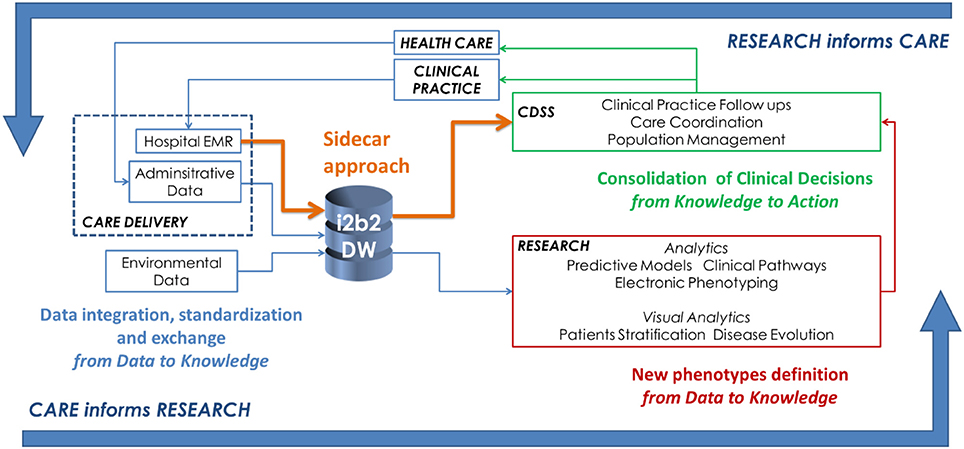 What happens when you combine clinical big data tools and data with clinical decision support systems (CDSS)? In this 2018 journal article published in Frontiers in Digital Humanities, Dagliati et al. report two such effective implementations affecting diabetes and arrhythmogenic disease research. Through the lens of the "learning healthcare system cycle," the authors walk through the benefits of big data tools to clinical decision support and then provide their examples of live use. They conclude that through the use of big data and CDDS, "when information is properly organized and displayed, it may highlight clinical patterns not previously considered ... [which] generates new reasoning cycles where explanatory assumptions can be formed and evaluated."
World’s Best LIMS: Part 1
That’s right! Finally, someone is going to reveal which LIMS is the “World’s Best LIMS”. Now there will be no need to go through those long, complex, and difficult LIMS Selection Processes! But wait a second, is there really such a beast lurking in the lab informatics jungle? Unfortunately the answer is no, not really. There are just too many variables and factors to be weighed when determining the right LIMS for your lab organization.





