

There are over 700 core labs and facilities in the U.S. and they are the backbones of the R&D world. A core lab is typically part of an academic organization, serving institutional researchers working in individual laboratories as well as providing services for external customers.
A Core Lab Means Business: Best Practices for the Bottom Line


By Nicholas Beckloff, Ph.D.| March 13th, 2018|Categories: Blog|
The Astrix Approach: Practical Enterprise Architecture for the Laboratory


Industry-leading enterprises invest heavily in laboratory IT initiatives to drive improvements in operational efficiency, regulatory compliance and innovation. For organizations implementing complex laboratory informatics systems such as LIMS, ELNs, and scientific data management systems (SDMS), creating a fully-integrated laboratory environment that fosters digital continuity across the project lifecycle is an important key to driving innovation and remaining competitive.…
Laboratory Informatics Weekly Update – Volume 16, Issue 11
March 14, 2018 Laboratory Informatics Weekly Update Volume 16, Issue 11 In This Issue Upcoming Webinars 03/15/2018 - Astrix Webinar – Navigating Global Regulations and Guidance around Data Integrity03/21/2018 - Webinar: When Systems Collide: Do I need a LIMS, LES, or ELN? Journal Articles Generating big data sets from knowledge-based decision support systems to pursue value-based healthcareWith the push for evidence-based medicine and advances in health information management over the past 30 years, the process of clinical decision making has changed significantly. However, new challenges have emerged regarding how to put the disparate data found in information management technologies…Generating big data sets from knowledge-based decision support systems to pursue value-based healthcare
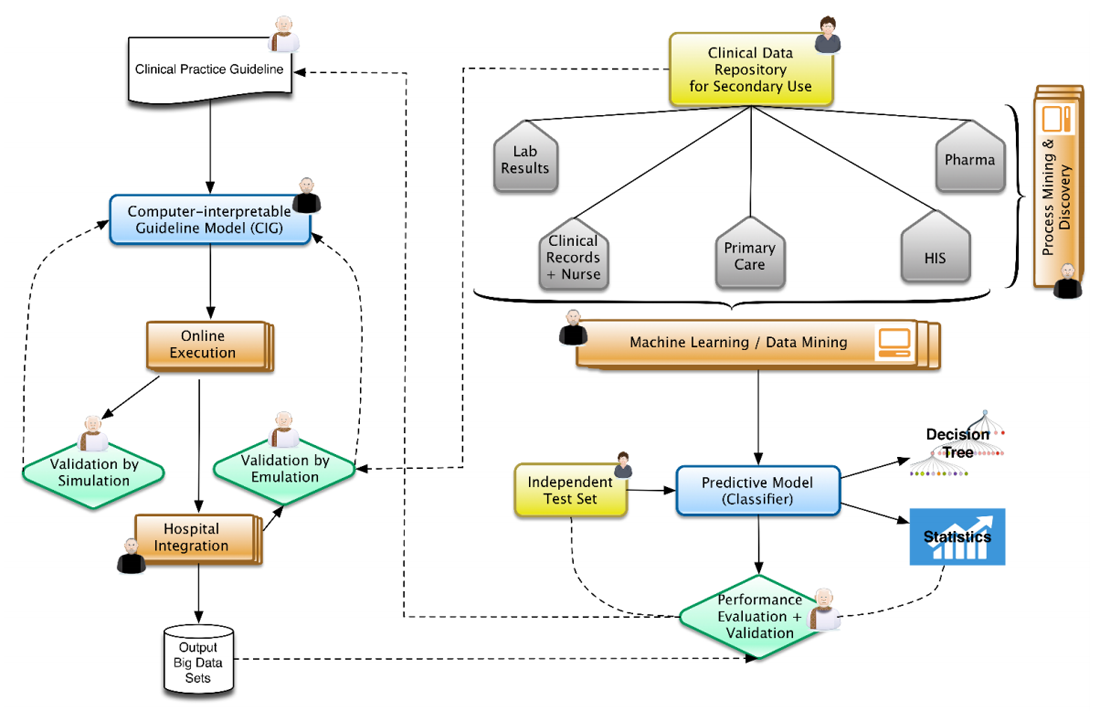 With the push for evidence-based medicine and advances in health information management over the past 30 years, the process of clinical decision making has changed significantly. However, new challenges have emerged regarding how to put the disparate data found in information management technologies such as electronic health records and clinical research databases to better use while at the same time honoring regulations and industry standards. González-Ferrer et al. discuss these problems and how they've put solutions in place in this 2018 paper in the International Journal of Interactive Multimedia and Artificial Intelligence. They conclude that despite the benefits of clinical decision support systems and other electronic data systems, "the development and maintenance of repositories of dissociated and normalized relevant clinical data from the daily clinical practice, the contributions of the patients themselves, and the fusion with open-access data of the social environment" will all still be required to optimize their benefits.
CloudLIMS February 2018 newsletter is now out!
 Our February 2018 newsletter is now out. It contains information about our latest releases and much more!
Laboratory Informatics Weekly Update – Volume 16, Issue 10
March 7, 2018 Laboratory Informatics Weekly Update Volume 16, Issue 10 In This Issue Upcoming Webinars 03/15/2018 - Astrix Webinar – Navigating Global Regulations and Guidance around Data Integrity03/21/2018 - Webinar: When Systems Collide: Do I need a LIMS, LES, or ELN? Featured Discussions 02/27/2018 - ISO/IEC 17025-2017 clause 7.6 note 102/26/2018 - DOCUMENT CONTROL02/26/2018 - Audit iso 1702502/25/2018 - Difference in terminology of ISO 17025-2017 and ISO 17025-2005 Journal Articles Closha: Bioinformatics workflow system for the analysis of massive sequencing dataKo et al.of the Korean BioInformation Center discuss their Closha web service for large-scale genomic data analysis in…Characterizing and managing missing structured data in electronic health records: Data analysis
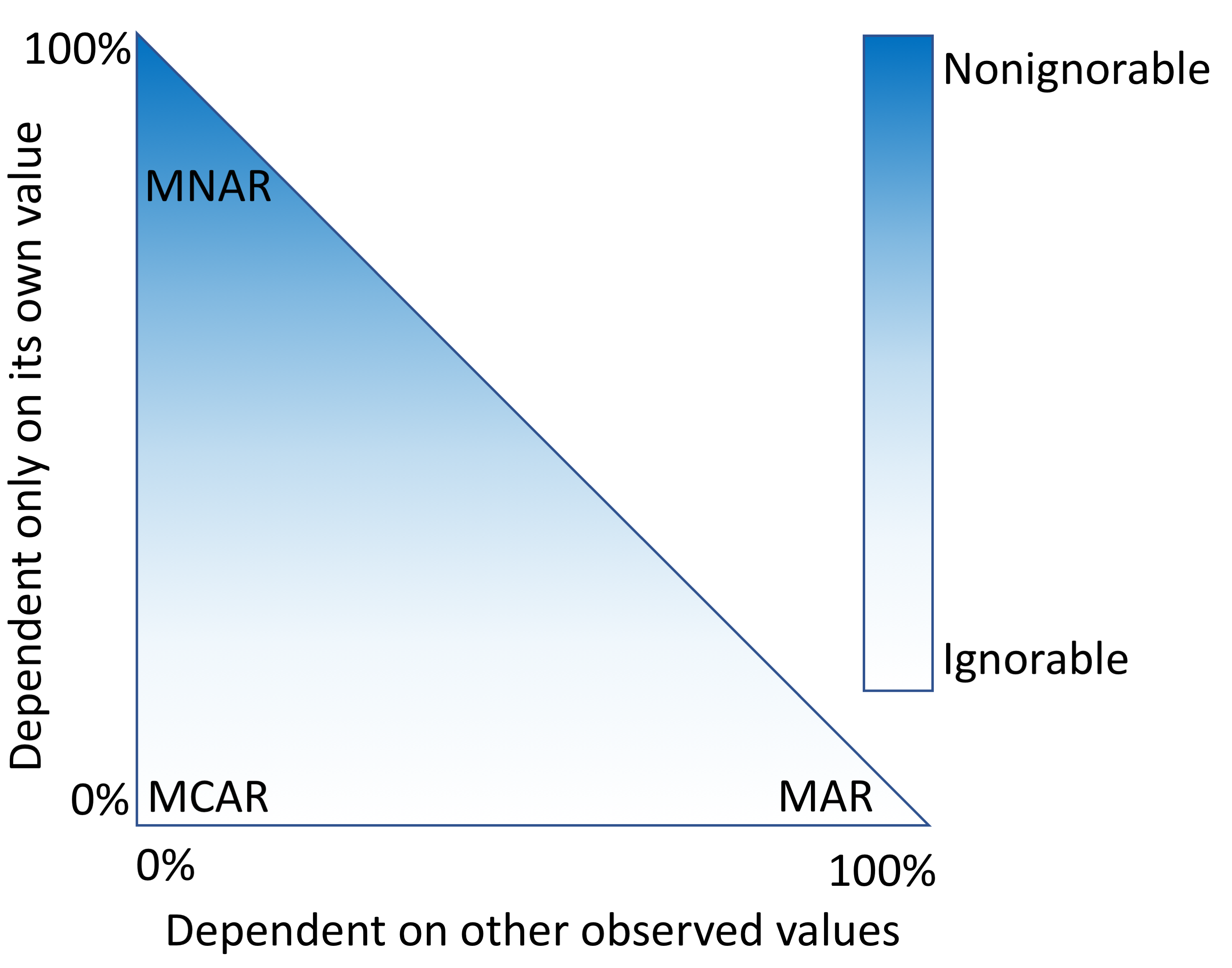 The electronic health record (EHR) was originally built with improved patient outcomes and data portability in mind, not necessarily as a resource for clinical researchers. Beaulieu-Jones et al. point out that as a result, researchers examining EHR data often forget to take into account how missing data in the EHR records can lead to biased results. This "missingness" as they call it poses a challenge that must be corrected for. In this 2018 paper, the researchers describe a variety of correctional techniques applied to data from the Geisinger Health System's EHR, offering recommendations based on data types. They conclude that while techniques such as multiple imputation can provide "confidence intervals for the results of downstream analyses," care must be taken to assess uncertainty in any correctional technique.
7 Validation Mistakes You Don’t Know You’re Making
 You have completed the following items: Validation Plan, Test Scripts, and Testers and Approvers. Your CSV project is underway. Or is it? Within these items, there are crucial details that can easily be over looked or over simplified opening your organization to risk.
Sample Manager LIMS Best Practices – Personal Folders
Thermo Fisher Scientific’s SampleManager LIMS™ offers an extensive array of features and capabilities that can benefit your organization. SampleManager’s open architecture and client/server capabilities (Desktop Client, WebAccess™, Citrix Client) deliver the tools necessary to transform isolated laboratory data siloes into a connected, global knowledge base that can be viewed and shared across the wider organization, from R&D to manufacturing.
One little-used tool that helps users find and view data in SampleManager much more easily is Personal Folders. In this article, we will discuss how to create and leverage Personal Folders in SampleManager.
Laboratory Informatics Weekly Update – Volume 16, Issue 9
February 28, 2018 Laboratory Informatics Weekly Update Volume 16, Issue 9 In This Issue Blogs 7 Validation Mistakes You Don’t Know You’re MakingSample Manager LIMS Best Practices – Personal FoldersAbbott Informatics STARLIMS Clinical Solution Helps Precision Diagnostics Achieve Compliance And Retain CustomersThe Hidden Power of Barcodes Upcoming Webinars 03/01/2018 - Webinar: A Guide for Laboratory Systems Management, Part 4: LIMS/LIS, ELN, SDMS, IT & Education03/15/2018 - Astrix Webinar – Navigating Global Regulations and Guidance around Data Integrity Journal Articles Big data management for cloud-enabled geological information servicesIn this 2018 paper published in Scientific Programming, Zhu et al. review the…Closha: Bioinformatics workflow system for the analysis of massive sequencing data
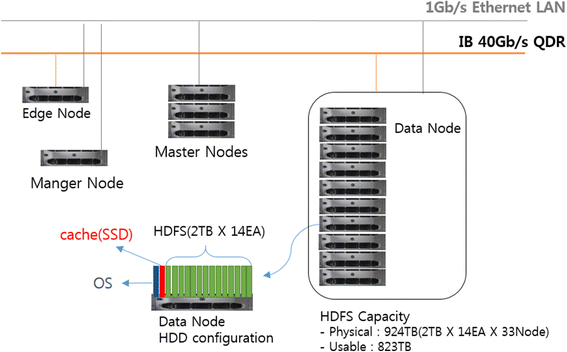 Ko et al.of the Korean BioInformation Center discuss their Closha web service for large-scale genomic data analysis in this 2018 paper published in BMC Bioinformatics. Noting a lack of rapid, cost-effective genomics workflow capable of running all the major genomic data analysis application in one pipeline, the researchers developed a hybrid system that can combine workflows. Additionally, they developed an add-on tool that handles the sheer size of genomic files and the speed with which they transfer, reaching transfer speeds "of up to 10 times that of normal FTP and HTTP." They conclude that "Closha allows genomic researchers without informatics or programming expertise to perform complex large-scale analysis with only a web browser."
Abbott Informatics STARLIMS Clinical Solution Helps Precision Diagnostics Achieve Compliance And Retain Customers
 San Diego-based drug testing firm Precision Diagnostics offers next generation saliva and urine drug testing for toxicology and drug compliance monitoring. Established in 2011, the firm works with physicians, hospitals, insurance firms and employers, in areas spanning hepatitis treatment compliance, opioid addiction testing and drug-drug interaction analysis.





