Posted on February 28, 2017
By CSols Inc.
Blog
Let’s face it, if we don’t know where we are going, then how will we know when we have arrived? The same concept applies to Computer System Validation.
Posted on February 22, 2017
By Corinne Jones
Newsletter
February 22, 2017 Laboratory Informatics Weekly Update Volume 15, Issue 8 In This Issue Event Focus APRIL 4 - 5, 2017: Paperless Lab Academy 2017 2020 ROADMAP for DIGITAL CONVERGENCE: Transforming scientific information into actionable insight. The Paperless Lab Academy is the ideal learning platform, for those considering consolidating, integrating and simplifying laboratory data management systems. The PLA is recognized by Gartner as one of the best European Lab Automation events! FEBRUARY 27 - MARCH 2, 2017: 15th Cold Chain GDP & Temperature Management Logistics Summit - Canada The premier source for the most relevant updates within the cold chain…
Posted on February 20, 2017
By John Jones
Journal articles
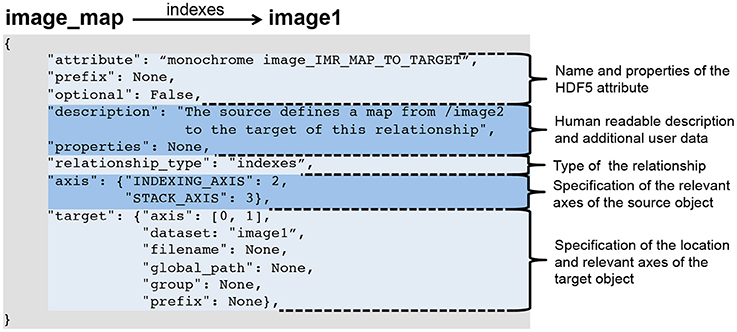
Neuroscience, like so many fields of science, is swimming in data, much of it in differing formats. This creates barriers to data sharing and project enactment. Rübel
et al. argue that standardization of neuroscience data formats can improve analysis and sharing efforts. "Arguably, the focus of a neuroscience data standard should be on addressing the application-centric needs of organizing scientific data and metadata, rather than on reinventing file storage methods," they state. This late 2016 paper, published in
Frontiers of Neuroinformatics, details their effort to make such a standardized framework, called BRAINformat, one that "fill[s] important gaps in the portfolio of available tools for creating advanced standards for modern scientific data."
Posted on February 15, 2017
By CloudLIMS
Blog
Modern day labs are under constant pressure to reduce expenses, improvise lab efficiency and constantly enhance the quality of results. To begin with, it is important to understand what lab efficiency exactly means. In simple terms, lab efficiency is all about how a lab effectively manages time and available resources to improvise data quality, eliminate manual errors, improve laboratory results turnaround time, and streamline lab operations. Many labs are interested in improvising their lab efficiency; however, are not keen to invest in cost-intensive Laboratory Information Management System (LIMS) to manage their laboratory data.
Posted on February 15, 2017
By Khemia
Blog
Many of the broader laboratory based benefits of LIMS are well known: LIMS track samples from entry into the laboratory (in some cases even the field data and collection) to final analysis and disposal; LIMS track and document reagent and standards usage within the laboratory; LIMS generate reports and electronic data deliverables (EDDs). However, one important and often overlooked feature is that LIMS can also track and record human resource (HR) information.
Posted on February 15, 2017
By Corinne Jones
Newsletter
February 15, 2017 Laboratory Informatics Weekly Update Volume 15, Issue 7 In This Issue Webcast Focus FEBRUARY 15, 2017 2:00 PM EST (7:00 PM UST): Integrating STARLIMS™ with the Enterprise Having to access multiple systems (such as LIMS, ERP, CAPA, MED, EDMS, LMS and EQM) or manually populate data from one system to another presents significant efficiency, productivity, and compliance challenges. Event Focus APRIL 4 - 5, 2017: Paperless Lab Academy 2017 2020 ROADMAP for DIGITAL CONVERGENCE: Transforming scientific information into actionable insight. The Paperless Lab Academy is the ideal learning platform, for those considering consolidating, integrating and simplifying laboratory…
Posted on February 14, 2017
By John Jones
Journal articles
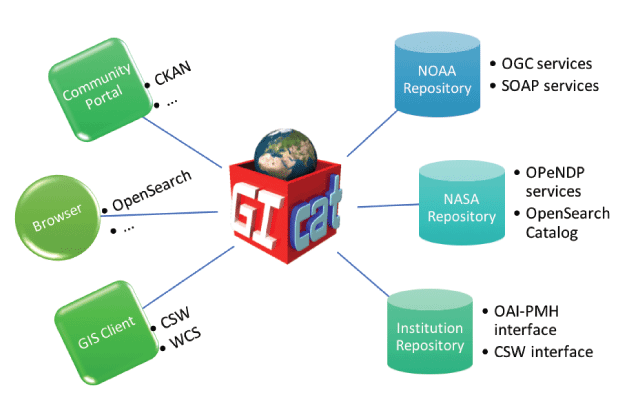
This 2017 paper by University of Colorado's Siri Jodha Singh Khalsa, published in
Data Science Journal, provides background on the successes, challenges, and outcomes of the Brokering Building Block (BCube) project, which aims "to provide [geo]scientists, policy makers and the public with computing resources, analytic tools and educational material, all within an open, interconnected and collaborative environment." It describes the processes of infrastructure development, interoperability design, data testing, and lessons learned from the process, including an analysis of the human elements involved in making data sharing easier and more profound.
Posted on February 14, 2017
By CSols Inc.
Blog
Increasing productivity and effectiveness can be addressed in a number of ways within a LIMS, the ability of the LIMS to automate manual processes, procedures, and tasks is by far the largest source of these improvements.
Posted on February 8, 2017
By John Jones
Journal articles
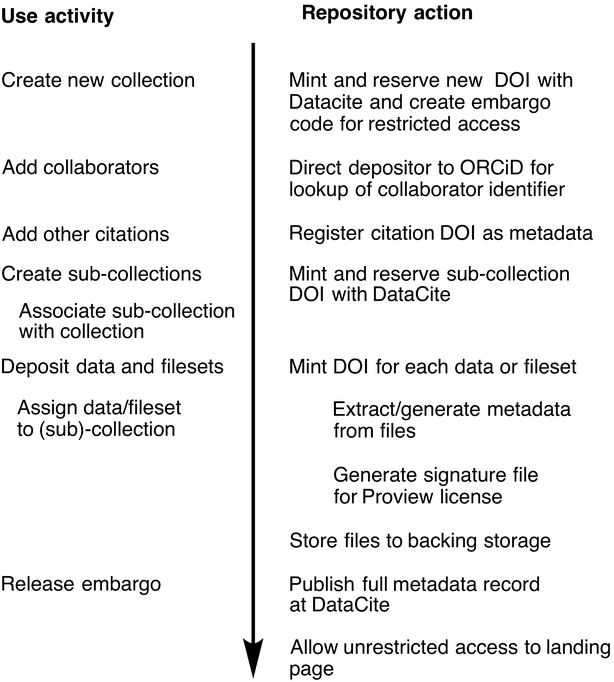
Turnkey data repositories such as DSpace have been evolving over the past decade, from housing publication preprints and postprints to today handling actual data management tasks of research. But what if this evolving technology could further be improved "to improve the discoverability of the deposited data"? Harvey
et al. of the Imperial College London explored this topic in their 2017 paper published in
Journal of Cheminformatics, developing new insights into repository design and DataCite metadata schemes. They published their results hoping that it "may in turn assist researchers wishing to deposit data in identifying the repository attributes that can best expose the discoverability and re-use of their data."
Posted on February 8, 2017
By Corinne Jones
Newsletter
February 08, 2017 Laboratory Informatics Weekly Update Volume 15, Issue 6 In This Issue Webcast Focus FEBRUARY 15, 2017 2:00 PM EST (7:00 PM UST): Integrating STARLIMS™ with the Enterprise Having to access multiple systems (such as LIMS, ERP, CAPA, MED, EDMS, LMS and EQM) or manually populate data from one system to another presents significant efficiency, productivity, and compliance challenges. Event Focus APRIL 4 - 5, 2017: Paperless Lab Academy 2017 2020 ROADMAP for DIGITAL CONVERGENCE: Transforming scientific information into actionable insight. The Paperless Lab Academy is the ideal learning platform, for those considering consolidating, integrating and simplifying laboratory…
Posted on February 1, 2017
By Corinne Jones
Newsletter
February 01, 2017 Laboratory Informatics Weekly Update Volume 15, Issue 5 In This Issue Webcast Focus FEBRUARY 15, 2017 2:00 PM EST: Integrating STARLIMS™ with the Enterprise Having to access multiple systems (such as LIMS, ERP, CAPA, MED, EDMS, LMS and EQM) or manually populate data from one system to another presents significant efficiency, productivity, and compliance challenges. Event Focus APRIL 4 - 5, 2017: Paperless Lab Academy 2017 2020 ROADMAP for DIGITAL CONVERGENCE: Transforming scientific information into actionable insight. The Paperless Lab Academy is the ideal learning platform, for those considering consolidating, integrating and simplifying laboratory data management systems.…
Posted on January 31, 2017
By John Jones
Journal articles
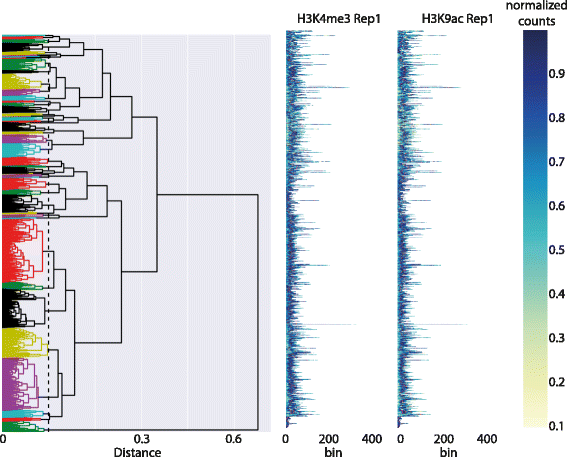
Lukauskas
et al. present their open-source software package DGW (Dynamic Gene Warping) in this December 2016 paper published in
BMC Informatics. Used for the "simultaneous alignment and clustering of multiple epigenomic marks," the software uses a process called dynamic time warping (DTW) to capture epigenomic mark structure. The authors conclude that their research shows "that DGW can be a practical and user-friendly tool for exploratory data analysis of high-throughput epigenomic data sets" and demonstrates "potential as a useful tool for biological hypothesis generation."





