

Historical Data and the New LIMS
I recently received a call from a very nice municipal laboratory director and the conversation regarding LIMS, LIMS implementation, good LIMS implementers turned towards historical data. I laughed and thanked her for the idea of this article. I really should have thought of it. With virtually every LIMS sale whether it be to a municipality, commercial laboratory or university, the issue of historical data comes up.Most laboratories purchasing a LIMS, if they are replacing an old LIMS or are buying their first, have been in operation for some time. As we are all aware, historical data generally must be kept on record for some period of time based on various regulations and is often wanted for general trending information. In many cases, that period of time is five years. So, now what?
Laboratory Informatics Weekly Update – Volume 14, Issue 44
November 09, 2016 Laboratory Informatics Weekly Update Volume 14, Issue 44 In This Issue Webcast Focus Webinar: Reduce cost, reduce risk, improve lab efficiency with LabVantage Pharma. Are you looking to improve processes within your pharmaceutical lab? Are you burdened with complex legacy systems that manage your quality samples, testing and allied business processes? With a LabVantage Pharma LIMS solution, you can enhance your laboratory efficiency, while reducing complexity and costs. Articles A benchmarking analysis of open-source business intelligence tools in healthcare environments In recent years, a wide range of business intelligence (BI) technologies have been applied to different areas…A benchmarking analysis of open-source business intelligence tools in healthcare environments
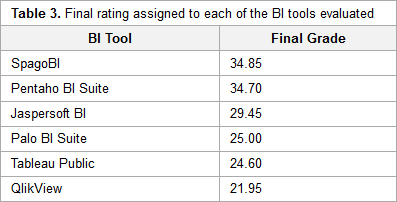 Brandão et al. at the University of Minho in Portugal needed a practical business intelligence (BI) solution for the Centro Materno Infantil do Norte (CMIN) hospital, particularly to assist with tasks related to gynecology and obstetrics (GO) and voluntary interruption of pregnancy (VIP). In particular, the group needed "to visualize the knowledge extracted from the data stored in information systems in CMIN, through their representation in tables, charts, and tables, among others, but also by integrating DM predictive models." The group set about researching various options, documenting their process along the way. This journal article, published in late 2016, walks through the entire evaluation process, providing a glimpse of how BI applications are relevant to the healthcare industry.
Biopharma QC LIMS: Extinction or Evolution
The future of Quality Control Labs and the Quality Control LIMS that automates and manages them has been a topic of debate in recent years. Why all this speculation?Laboratory Informatics Weekly Update – Volume 14, Issue 43
November 02, 2016 Laboratory Informatics Weekly Update Volume 14, Issue 43 In This Issue News Focus 11/01/2016 - LIMS Directory - Fall 2016: Product Pricing and Demos released LiMSwiki.org has released the LIMS Directory - Fall 2016: Product Pricing and Demos http://www.limsbook.com/lims-directory-fall-2016-product-pricing-and-demos/1946/ Download a copy and check out all the vendors that provide pricing and video demonstrations/tutorials of their products. If you are a lims vendor and you do not see your product listed, please post links to this discussion with your public product pricing and links to video demonstrations. Your product will be listed in the next quarterly edition.…Laboratory Informatics Weekly Update – Volume 14, Issue 42
October 26, 2016 Laboratory Informatics Weekly Update Volume 14, Issue 42 In This Issue Event Focus FEBRUARY 19 - 24, 2017: Molecular Med Tri-Con Why is the Tri-Conference the Premier Event on Molecular Medicine & Diagnostics? If you are working in diagnostics and drug discovery, this is the must attend event of the year. Attracting over 3,500 drug discovery and development professionals from over 40 countries in 2016, the Tri-Conference has grown into a diverse event, focusing on Molecular Medicine, specifically on Discovery, Genomics, Diagnostics and Information Technology. Why attend the Tri-Conference? HEAR over 500 speakers from across all industries,…openBIS ELN-LIMS: An open-source database for academic laboratories
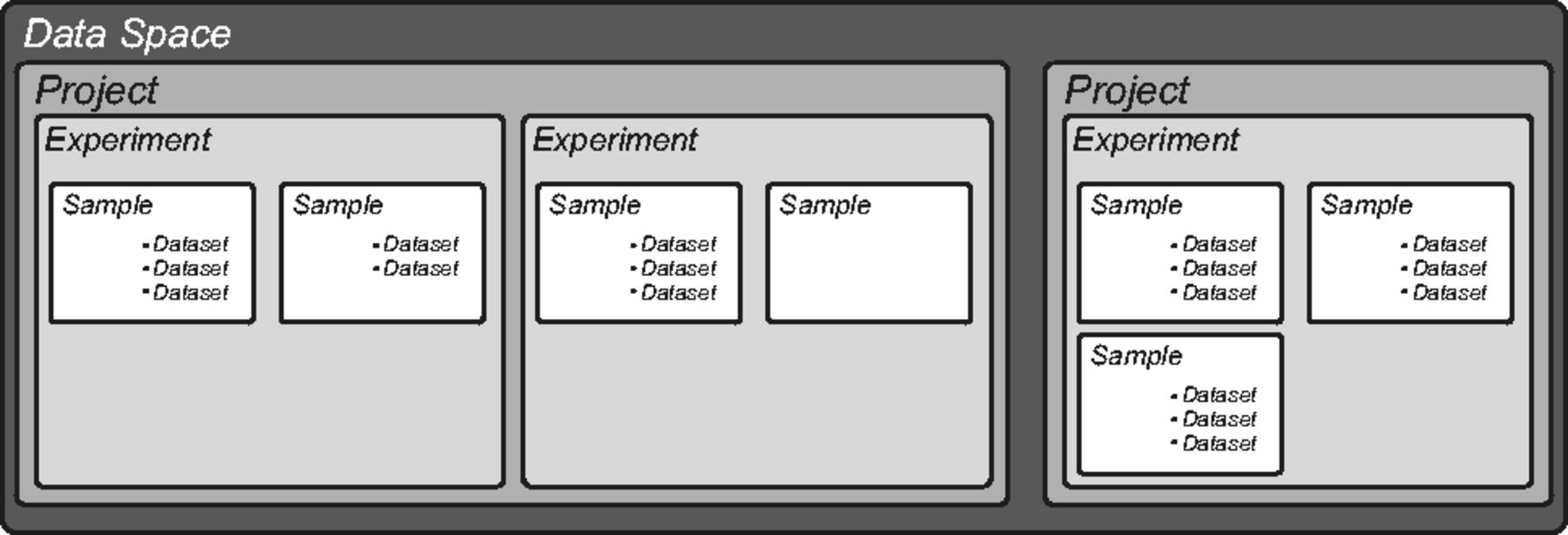 Researchers at ETH Zürich, finding that many commercial laboratory informatics options "affordable to academic labs had either unsuitable user interfaces (UI) or lack of features," decided to look at open-source options. However, like others, they also found some pure open-source options lacked necessary regulatory and high-throughput support. Barilliari et al. decided to go the "build your own" route, expanding on the existing openBIS platform and adding laboratory information management system (LIMS) and electronic laboratory notebook (ELN) functionality. This brief paper, published in late 2015 in Bioinformatics, gives a quick overview of the software and how it operates.
LIMS – Going the Cloud Way
Leading IT technological innovations such as Software as a cloud storage and Service (SaaS) have revolutionized the operation of modern labs. Biobanks, CROs and research labs are fast-moving towards cloud technology, owing to excessive pressures of meeting deadlines and complexities associated with IT infrastructure and support. Why is cloud becoming the best choice for every lab, planning a LIMS implementation? This white paper is for those biobanks, clinical research and food & beverage testing labs which are incognizant of the benefits of cloud computing for managing laboratory operations.Integrated systems for NGS data management and analysis: Open issues and available solutions
Integrated systems for NGS data management and analysis: Open issues and available solutions
This 2016 paper by Bianchi et al., published in Frontiers in Genetics, takes a closer look at the major issues concerning next-generations sequencing (NGS) technology. The group raises five main concerns than an NGS research group should be aware of before approaching NGS technologies and briefly states positives and negatives to the most current popular tools. The group concludes "[a]lthough larger groups with enough computational members may prefer to develop and maintain their own tailored frameworks, smaller laboratories would save resources and improve their results by adopting solutions developed by third parties," including open-source and cloud-based tools.
Laboratory Informatics Weekly Update – Volume 14, Issue 41
October 19, 2016 Laboratory Informatics Weekly Update Volume 14, Issue 41 In This Issue Webcast Focus OCTOBER 19, 2016 2:00PM EDT: "Oh the Places You'll Go" - The Future of Lab Informatics In this final CSols’ webinar of calendar year 2016, we will review the current state of Lab Informatics, and through an understanding of what has happened in the past, peer over the horizon to examine what the future may hold. Articles Integrated systems for NGS data management and analysis: Open issues and available solutions Integrated systems for NGS data management and analysis: Open issues and available solutions This…Health literacy and health information technology adoption: The potential for a new digital divide
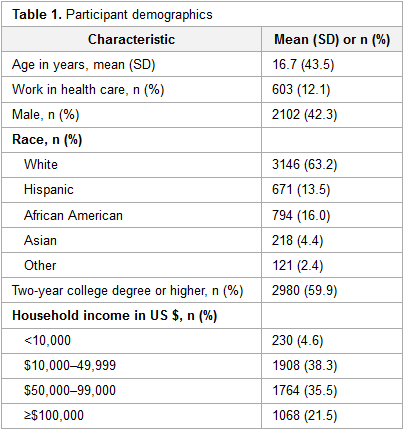 In this 2016 paper published in the Journal of Medical Internet Research, Mackert et al. review the state of patients' health literacy and how it relates to perceived ease-of-use and the usefulness of the health technology used. The group asked study participants about experiences with fitness apps, nutrition apps, activity trackers, and patient portals, noting afterwards an association between HIT adoption and higher health literacy. They conclude that "HIT has tremendous potential to improve the health of users, and this study is a crucial step toward better understanding how health literacy is associated with HIT adoption and ensuring that users of all levels of health literacy can realize those benefits."





