Posted on January 6, 2016
By Corinne Jones
Newsletter
January 06, 2016 Laboratory Informatics Weekly Update Volume 14, Issue 1 In This Issue Webcast Focus JANUARY 20, 2016, 2:00pm EST: Get the Most from your Waters Empower™ 3 Upgrade Is there an upgrade to Waters Empower 3 in your near future? Join this webinar as we describe some of the most important new features of Empower 3 and outline a process that will ensure that your laboratory organization will “Get the Most from your Waters Empower 3 Upgrade”. Event Focus JANUARY 23, 2016: SLAS2016 SLAS2016 takes place January 23-27 in San Diego, California. Programmed by scientists and engineers for…
Posted on December 30, 2015
By Khemia
Blog
Nationally recognized laboratory slashes operating costs and boosts productivity over 20% with Khemia's Omega 11
Posted on December 30, 2015
By Corinne Jones
Newsletter
December 30, 2015 Laboratory Informatics Weekly Update Volume 13, Issue 49 In This Issue Webcast Focus Get the Most from your Waters Empower™ 3 Upgrade Is there an upgrade to Waters Empower 3 in your near future? Join this webinar as we describe some of the most important new features of Empower 3 and outline a process that will ensure that your laboratory organization will “Get the Most from your Waters Empower 3 Upgrade”. Event Focus JANUARY 23, 2016: SLAS2016 SLAS2016 takes place January 23-27 in San Diego, California. Programmed by scientists and engineers for peers interested in leveraging the…
Posted on December 28, 2015
By John Jones
Journal articles
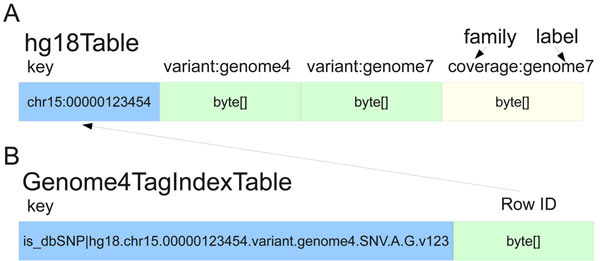
In 2010, O'Connor et al. published a paper on their experience developing and implementing a cloud-based query engine that can support thousands of genome datasets. Still actively developed as of 2015, the SeqWare Query Engine "can load and query variants (SNVs, indels, translocations, etc) with a rich level of annotations including coverage and functional consequences." The research team concluded in their paper that the software was then "capable of supporting large scale genome sequencing research projects involving hundreds to thousands of genomes as well as future large scale clinical deployments utilizing advanced sequencer technology that will soon involve tens to hundreds of thousands of genomes."
Posted on December 23, 2015
By John Jones
Journal articles
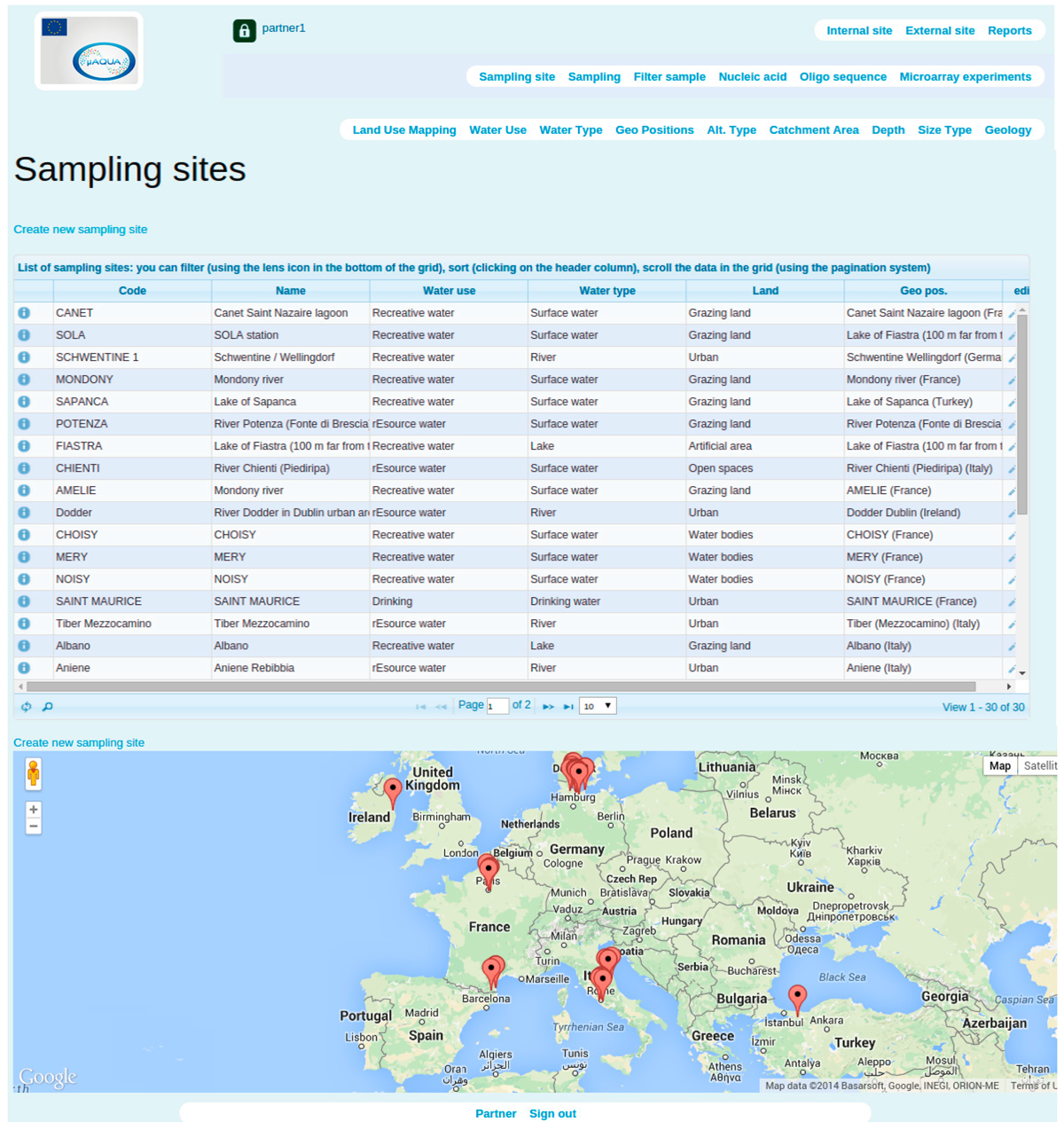
In 2015, Singh et al. published their notes and reflections on developing SaDA, designed "for storing, retrieving and analyzing data originated from microorganism monitoring experiments." The group developed the software after discovering a lack of free, open-source software for microarray data management and analysis. The group concluded that "the platform has the potential to become an appropriate tool for a wide range of users focused not only in water based environmental research but also in other studies aimed at exploring and analyzing complex ecological habitats."
Posted on December 23, 2015
By John Jones
Journal articles
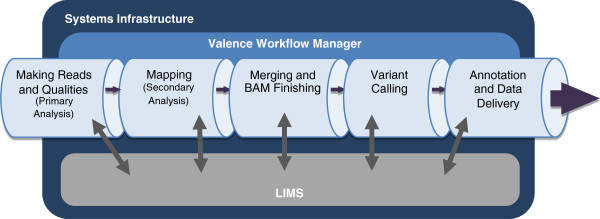
Seeking to overcome some of the challenges of massively parallel DNA sequencing, Reid et al. developed the Mercury analysis pipeline and deployed it on Amazon Web Services. Publishing their results in 2014 in
BMC Bioinformatics, the group demonstrated the success of "a powerful combination of a robust and fully validated software pipeline and a scalable computational resource that, to date, we have applied to more than 10,000 whole genome and whole exome samples."
Posted on December 22, 2015
By CSols Inc.
Blog
Twice a week, we sit down and ask ourselves: "What do you want to hear about?" Our goal is to select blog topics that answer your questions. Here is a post listing some of the best blogs we wrote in 2015.
Posted on December 17, 2015
By John Jones
Journal articles

Appearing in the magazine
Open Source Business Resource (today called
Technology Innovation Management Review) in 2011, this non-journal article by Sandro Groganz describes how "[o]pen source vendors can benefit from business ecosystems that form around their products," using open-source OXID eShop and its vendor OXID eSales as a representative example. Groganz concludes that "an open source community is not a state but a process," one that "creates a foundation for long-term growth and sustainability" when appropriately embraced.
Posted on December 17, 2015
By Corinne Jones
Newsletter
December 17, 2015 Laboratory Informatics Weekly Update Volume 13, Issue 48 In This Issue Event Focus JANUARY 23, 2016: SLAS2016 SLAS2016 takes place January 23-27 in San Diego, California. Programmed by scientists and engineers for peers interested in leveraging the latest in scientific technology. Best-in-class information, innovation and inspiration at the intersection of science and technology. See www.slas2016.org for details and to register. JANUARY 25, 2016: 11th Laboratory Informatics Summit Timelines are tighter than ever before and informatics teams must constantly adapt to the changing demands of research science. Furthermore, periodic updates to your systems calls for a comprehensive implementation…
Posted on December 16, 2015
By John Jones
Journal articles
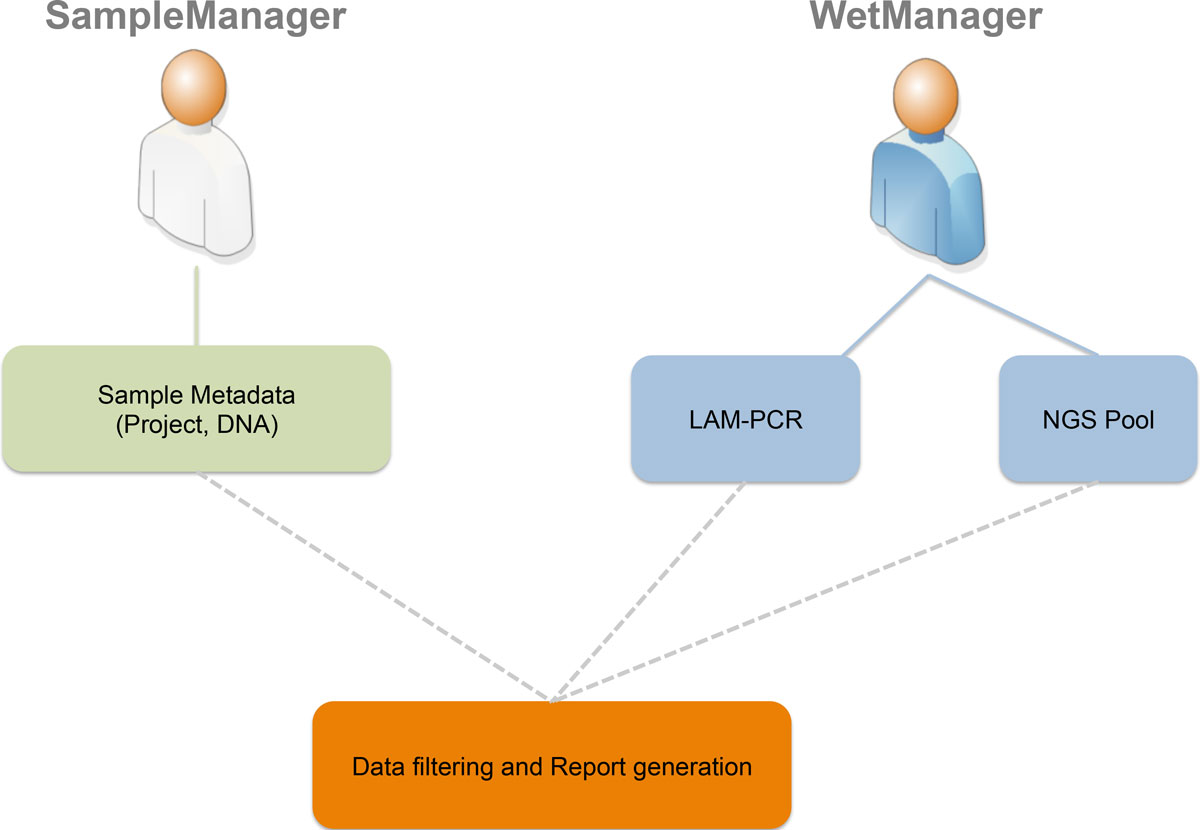
The San Raffaele Telethon Institute for Gene Therapy wanted a new LIMS to manage the data coming from their PCR techniques and next generation sequencing (NGS) methods. Not finding something suitable, the group developed its own LIMS, adLIMS. This 2015 research paper by Calabria et al., published in
BMC Bioinformatics, covers the academic aspects of the information collection and development process.
Posted on December 9, 2015
By John Jones
Journal articles
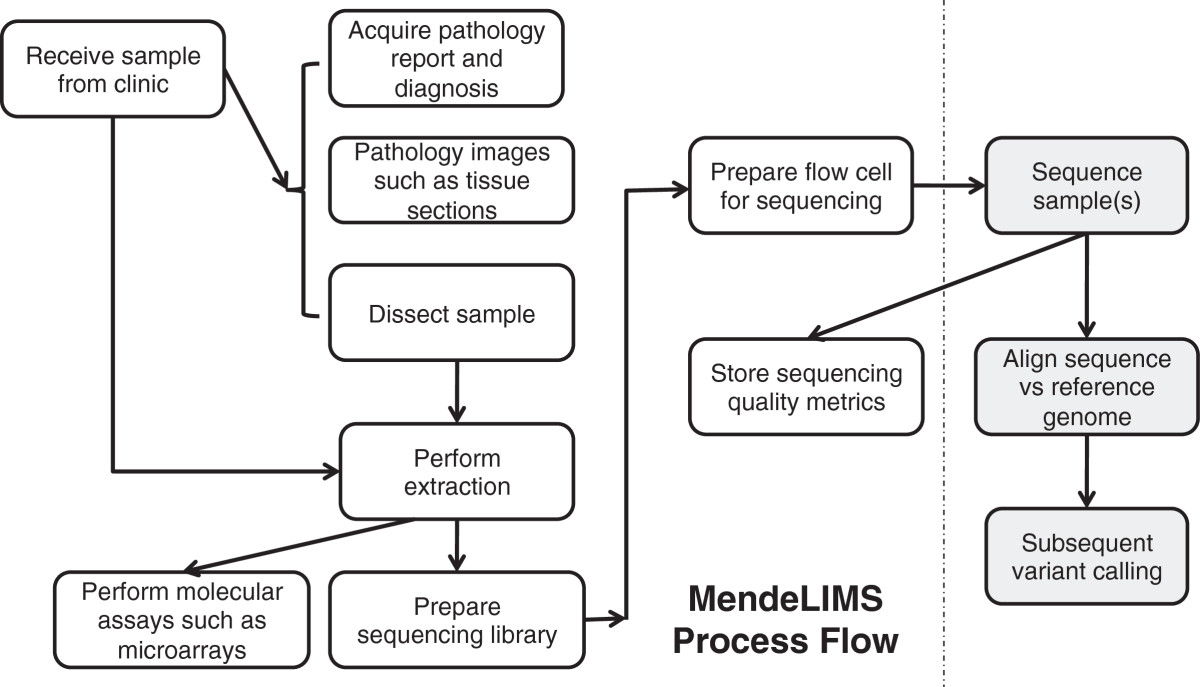
This 2014 research published in
BMC Bioinformatics sees Grimes and Ji presenting their "highly configurable and extensible" web-based laboratory information management system (LIMS) for next generation DNA sequencing, MendeLIMS. The group concludes that the software is "an invaluable tool for the management of our clinical sequencing studies," primarily due to its ability to reduce sample tracking errors and give "a comprehensive view of data being sequenced."
Posted on December 9, 2015
By Corinne Jones
Newsletter
December 09, 2015 Laboratory Informatics Weekly Update Volume 13, Issue 47 In This Issue Event Focus JANUARY 23, 2016: SLAS2016 SLAS2016 takes place January 23-27 in San Diego, California. Programmed by scientists and engineers for peers interested in leveraging the latest in scientific technology. Best-in-class information, innovation and inspiration at the intersection of science and technology. See www.slas2016.org for details and to register. JANUARY 25, 2016: 11th Laboratory Informatics Summit Timelines are tighter than ever before and informatics teams must constantly adapt to the changing demands of research science. Furthermore, periodic updates to your systems calls for a comprehensive implementation…





