Posted on May 7, 2024
By LabLynx
Journal articles
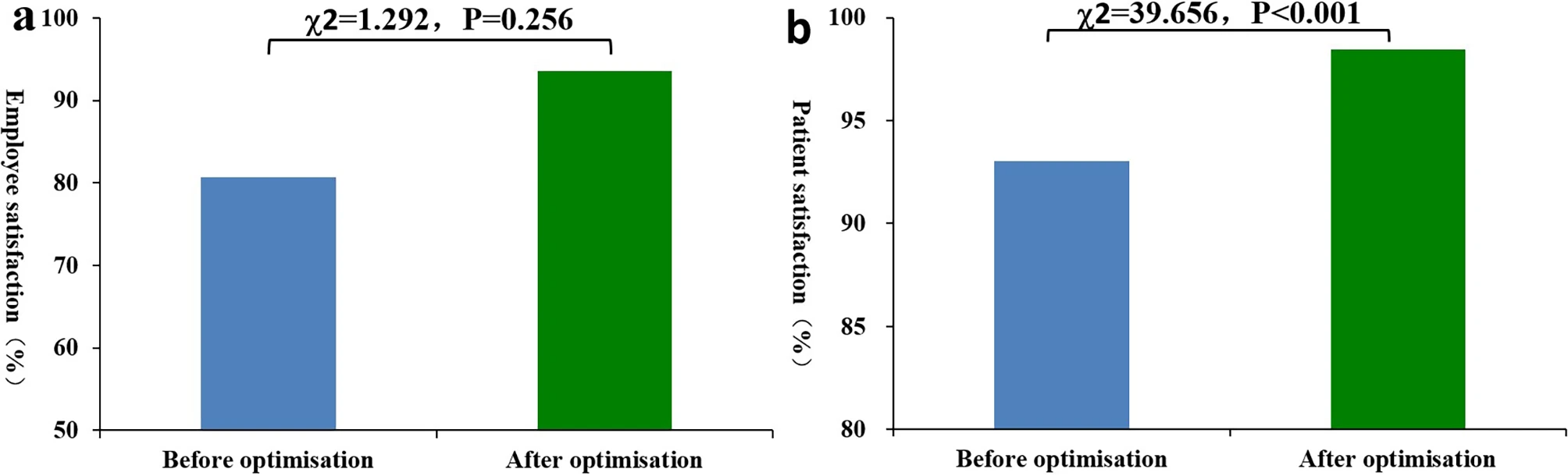
Can the thoughtful application and optimization of laboratory informatics solutions lead to do a variety of improvements in a hospital-based emergency medicine laboratory? Zhang
et al. sought to answer this question in a a contemporary tertiary second-class general hospital in China. After analyzing their emergency laboratory workflows, identifying problems withing those workflows, and identifying other areas of optimization, the authors applied a laboratory information management system (LIMS) to their operations, upgraded instrumentation, and finessed other aspects of their IT infrastructure. After discussing their results, the authors concluded that "the automation and standardization of most stages in emergency laboratory testing can be realized by IT, which reduces the workload of employees and improves emergency laboratory test quality," further noting that "emergency laboratory test report time can be shortened, emergency laboratory test quality can be enhanced, and employee and patient satisfaction can also be improved."
Posted on May 2, 2024
By Corinne Jones
Newsletter
May 2, 2024 Laboratory Informatics Weekly Update Volume 22, Issue 18 In This Issue Featured Books LIMS Selection Guide for ISO/IEC 17025 Laboratories Featured Content Why Databases Excel Over Excel for LIMSLaboratory Information Management Systems (LIMS) are crucial in managing data, workflow processes, and reporting in modern laboratories. While Excel is a widely used tool for managing data due to its accessibility and ease of use, databases provide a more robust, scalable, and secure solution for laboratories that require efficient data management. This article will explore the key reasons why a database is a better choice than Excel for…
Posted on May 1, 2024
By LabLynx
Blog

Laboratory Information Management Systems (LIMS) are crucial in managing data, workflow processes, and reporting in modern laboratories. While Excel is a widely used tool for managing data due to its accessibility and ease of use, databases provide a more robust, scalable, and secure solution for laboratories that require efficient data management. This article will explore the key reasons why a database is a better choice than Excel for managing a LIMS.
[Read More]
Posted on May 1, 2024
By onQ Software
Blog

Implementing LIMS (Laboratory Information Management System) can be a game-changer, because there might be resistance and reluctance to the new routines which require significant adjustments. In this blog post, we will dive into implementing a LIMS to prevent the challenges beforehand. The laboratory management plays an important role here to support and encourage this transition.
[Read More]
Posted on May 1, 2024
By CSols Inc.
Blog
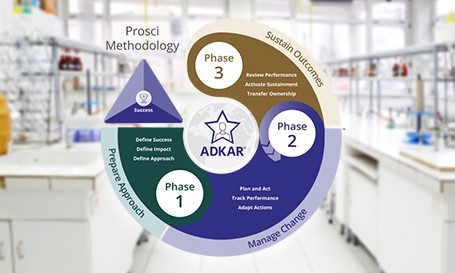
Laboratories and industries everywhere are realizing that technological innovations are moving at a rapid and ever-increasing pace. These technological initiatives require organizational change management (OCM) to ensure success. Some of these initiatives include the following: Cloud-based computing, Data lakes, Generative artificial intelligence, and Software as a Service (SaaS) laboratory information management systems (LIMS) with regular releases using the Agile methodology. Is your company prepared to face the associated OCM challenges of technological innovations?
[Read More]
Posted on May 1, 2024
By LabLynx
Blog

In a manufacturing lab, an advanced laboratory information management system (LIMS) offers immediate data processing for quick decision-making, streamlined sample management for easy tracking and identification, and automated workflows to reduce errors and boost efficiency. Additionally, quality control, efficient inventory management, and data security measures like user authentication and audit trails enhance the value of a LIMS, boosting lab productivity, ensuring regulatory compliance, and improving overall operational quality.
[Read More]
Posted on April 29, 2024
By LabLynx
Journal articles
In this brief article in
Journal of Privacy and Confidentiality, Jang
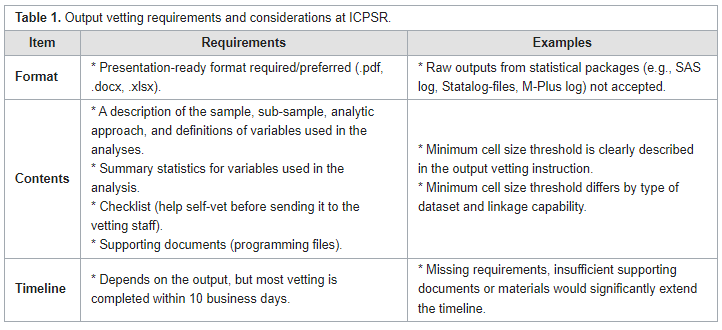
et al. of Inter-university Consortium for Political and Social Research (ICPSR) at University of Michigan review the current approach of researchers towards restricted data management and how it may need to evolve given certain challenges. They offer this review in the scope of increasing demands for FAIR (findable, accessible, interoperable, and reusable) data in research and journal communities. After a brief introduction, the authors discuss three main elements of managing restricted date: data use agreements, disclose review, and training. While the Five Safes framework is effective under this scope, the authors concludes that such "safeguards could generate unintended challenges to certain groups of individuals (e.g., institutional approval that could exclude researchers without institutional affiliation) or in different areas (e.g., rigorous output checking that requires extensive insights from experts)." They add that organizations may need develop more thoughtful and standardized data management policies that still remain flexible under the scope of FAIR data.
Posted on April 25, 2024
By Corinne Jones
Newsletter
April 25, 2024 Laboratory Informatics Weekly Update Volume 22, Issue 17 In This Issue Featured Books The Complete Guide to LIMS and Laboratory Informatics - 2024 Edition Featured Content LabTwin Digital Integrations Start from the Small ScaleAn efficient laboratory assistant (embodied or digital) that supports good science is doing three crucial tasks exceptionally well: 1) tracking your monotonous functions like how long until something needs to be removed from the stir plate, 2) passive monitoring of stock and supplies to ensure no disruption will occur, and science can proceed on time, and 3) listening to your every word for…
Posted on April 24, 2024
By LIMS Wizards
Blog

An efficient laboratory assistant (embodied or digital) that supports good science is doing three crucial tasks exceptionally well: 1) tracking your monotonous functions like how long until something needs to be removed from the stir plate, 2) passive monitoring of stock and supplies to ensure no disruption will occur, and science can proceed on time, and 3) listening to your every word for insights and monitoring procedures for verification.
[Read More]
Posted on April 24, 2024
By LabLynx
Blog

While the costs associated with a LIMS implementation may initially appear daunting, the long-term benefits far outweigh the expenses. By addressing key economic considerations such as project management, vendor fees, infrastructure investments, configuration, testing, and training, labs can unlock significant efficiencies and economic advantages. A well-executed LIMS is a strategic investment that modernizes lab operations and positions the lab for long-term success.
[Read More]
Posted on April 24, 2024
By onQ Software
Blog
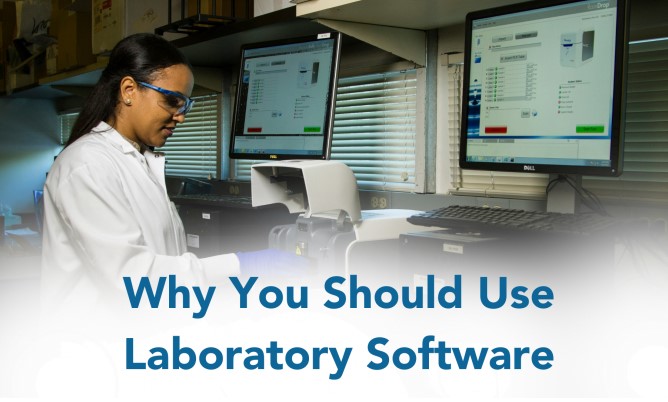
This blog will dive into the essential reasons why you should use laboratory software, particularly Laboratory Information Management Systems (LIMS). Laboratories of all sizes are turning to digital solutions to streamline their operations, enhance efficiency, and ensure compliance with regulatory standards.
[Read More]
Posted on April 24, 2024
By LabLynx
Blog

Informatics systems like LIMS help streamline medical microbiology lab operations amidst evolving technological, microbiological, and economic landscapes. A LIMS is critical for managing complex workflows, preparing and tracking derivative specimens, interfacing with other systems, advanced result entry and reporting features, support for susceptibility testing and antibiograms, flexible public health reporting capabilities, and decision support systems.
[Read More]





