Posted on April 23, 2024
By LabLynx
Journal articles
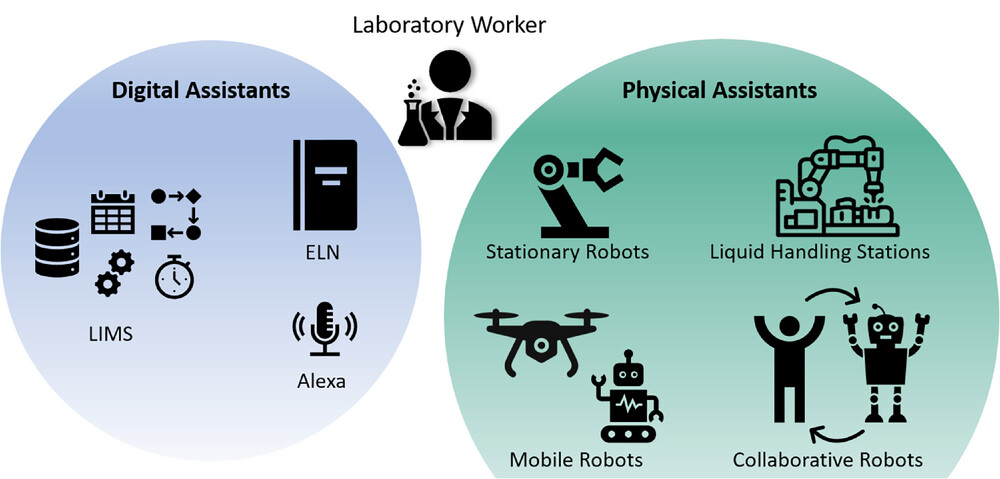
In this 2024 paper published in the journal
Engineering in Life Sciences, Habich and Beutel review the potential technological transformation processes that await the academic bioprocess laboratory, moving from paper-based workflows to electronic ones. Noting multiple challenges facing these academic labs, the authors look at multiple laboratory informatics and automation technologies in the scope of the FAIR (findable, accessible, interoperable, and reusable) data principles, standardized communication protocols, digital twins, and more. After going into detail about these and other related technologies (including electronic laboratory notebooks and laboratory information management systems), the authors present digitalization strategies for academic bioprocess labs. They conclude that "when supported by digital assistants, using connected devices, more intuitive user interfaces, and data gathering according to FAIR data principles, academic research will become less time consuming and more effective and accurate, as well as less prone to (human) error." They add that experiment reproducibility, instrument integration, and other aspect also benefit, though no one-size-fits-all approach exists for these labs.
Posted on April 18, 2024
By Corinne Jones
Newsletter
April 18, 2024 Laboratory Informatics Weekly Update Volume 22, Issue 16 In This Issue Featured Books The Complete Guide to LIMS and Laboratory Informatics - 2024 Edition Featured Content Does the LabLynx ELab LIMS offer automatic and customizable reporting?While manual reporting is possible, it can be time-consuming and error-prone. A LIMS with automatic and customizable reporting features offers several benefits. The LabLynx ELab LIMS allows labs to generate reports automatically based on predefined templates and event triggers. Reports can also be customized to meet their needs, such as incorporating your lab’s logo and unique graphics, selecting the data fields…
Posted on April 17, 2024
By LabLynx
Blog

While manual reporting is possible, it can be time-consuming and error-prone. A LIMS with automatic and customizable reporting features offers several benefits. The LabLynx ELab LIMS allows labs to generate reports automatically based on predefined templates and event triggers. Reports can also be customized to meet their needs, such as incorporating your lab’s logo and unique graphics, selecting the data fields to include, defining the layout, and choosing the output format.
[Read More]
Posted on April 17, 2024
By Astrix Technology Group
Blog

Artificial Intelligence (AI) has been continuously integrated into the field of clinical research. A formerly time-consuming workflow has now been shifted into an efficient process with lowered cost, less labor and improved clinical trial outcomes. As society shifts into a technology and digital driven era, it is important to see how this can be leveraged within clinical trials. We will take a look at 3 prominent ways that AI has been streamlining the clinical trial process since the shift into the digital age. AI in clinical trials will continue to become a dominant theme among clinical technology and strategy professionals for the foreseeable future.
[Read More]
Posted on April 17, 2024
By onQ Software
Blog
The promises of digital transformation for laboratories are significant. As well as enhanced processes for laboratory technicians and analysts, there’s a raft of broader business benefits too like remote working capabilities and better turnaround times. Start by building the foundations to do basics brilliantly, then accelerate your transformation with data-driven insights and emerging technologies including automation and artificial intelligence (AI) to streamline workflows and shift from a reactive to predictive quality assurance (QA).
[Read More]
Posted on April 17, 2024
By LabLynx
Blog
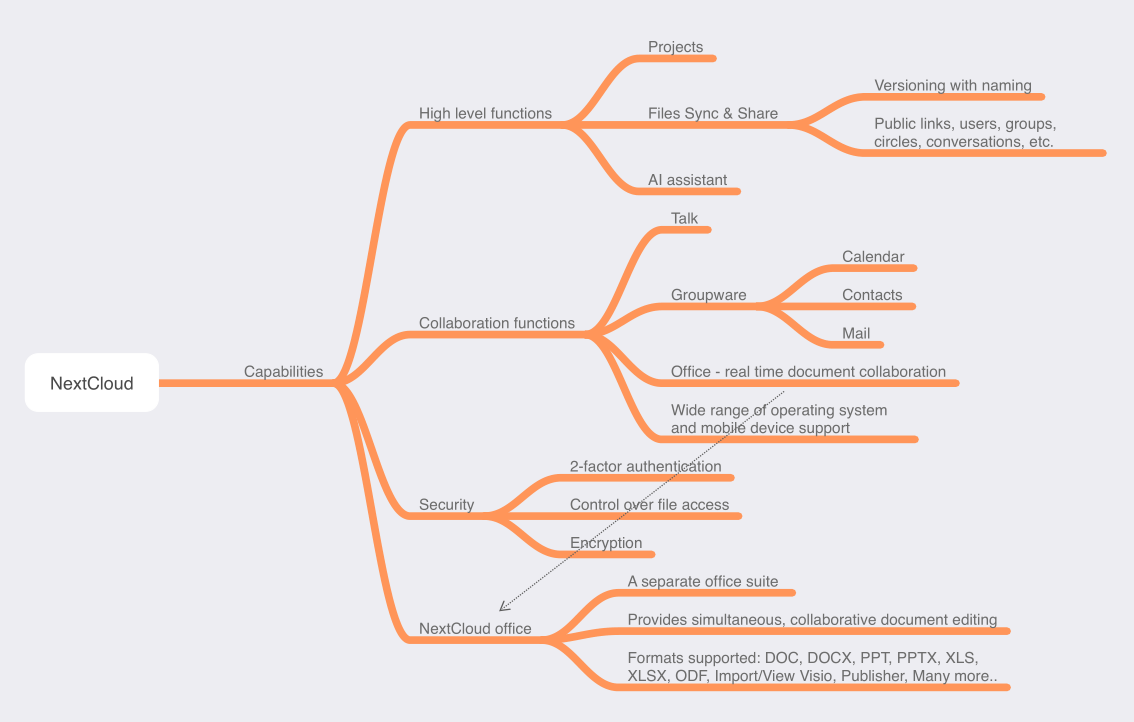
Nextcloud is a potentially useful solution to laboratory informatics. It removes the operating system from being a limiting factor in conducting lab work, provides levels of security missing in popular operating systems (except UNIX), and includes tools for personnel communications that could improve the ability of labs to carry out their work. However, it's likely best used in tandem with a system like a laboratory information management system (LIMS) and instrument data system (IDS). This article examines the current state of the open-source Nextcloud and how it could be applied to laboratory operations.
[Read More]
Posted on April 17, 2024
By Clinisys
Blog

The Haga Hospital in The Hague (The Netherlands), and Clinisys have been working together for 20 years. And the hospital intends to continue this cooperation for quite a while: in July, it signed a new framework agreement with Clinisys for another 10 years. But this doesn’t mean that everything will remain the same. In fact, a lot is going to happen over the next two years. As a first step, the laboratory is planning to upgrade its GLIMS Laboratory Information System (LIS). Then, it will connect a new laboratory and completely redesign the LIS.
[Read More]
Posted on April 15, 2024
By LabLynx
Journal articles
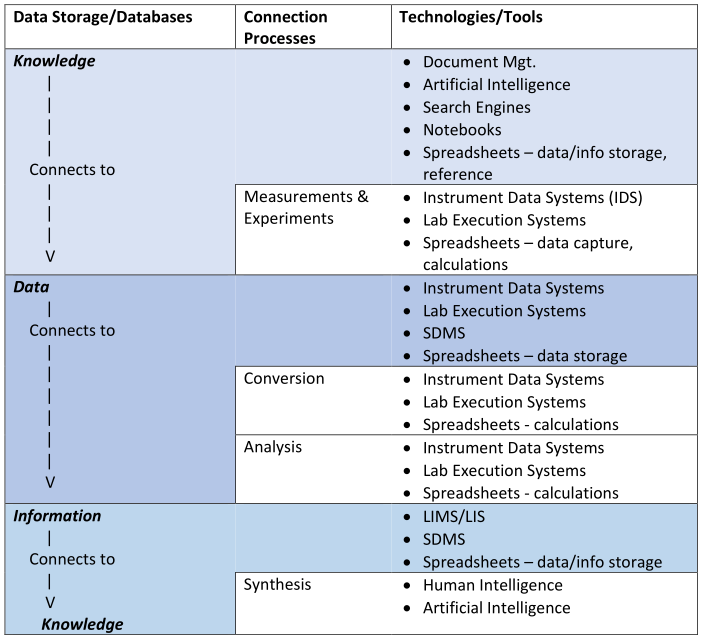
In this 2024 work by laboratory informatics veteran Joe Liscouski, the concept of "organizational memory" within the laboratory realm and what it means for informatics systems like electronic notebooks—including electronic laboratory notebooks (ELNs)—is addressed. Liscouski argues that as artificial intelligence (AI) and large language models (LLMs) become more viable to laboratories, those laboratories stand to benefit from LLM technology in attempts to retain and act upon all sorts of data and information, from raw instrument data and test results to reports and hazardous material records. After addressing what organization memory is and means to the lab, the author discusses the flow of scientific data and information and how it relates to informatics and AI-driven systems. He then discusses the implications as they relate specifically to ELNs and other electronic notebook activities, looking specifically at a layered approach built upon open-source solutions such as Nextcloud "that can feed the [LLM] database as well as support research, development, and other laboratory activities."
Posted on April 11, 2024
By CSols Inc.
Blog

Decoupling data inputs from their isolated sources continues to be challenging for organizations. Data silos not only hinder organizational collaboration and decision making but also undermine an organization’s ability to unlock the potential of its most precious resource—its data. Advancements like cloud computing, platforms, and blockchain are giving most organizations the tools to transition away from traditional, physical data silos.
[Read More]
Posted on April 11, 2024
By LabLynx
Blog

Most laboratory instruments can be integrated with a LIMS to some extent, but the feasibility and ease of integration can vary significantly depending on several factors. The LabLynx ELab LIMS can interface with 98% of commercially produced instruments (simple, uni-directional, bi-directional), allowing for seamless data transfer, whether it is through file exports, FTP, APIs, or serial or network connections. LabLynx is only limited by the instrument’s ability to integrate, not ELab’s ability to integrate.
[Read More]
Posted on April 11, 2024
By onQ Software
Blog

Welcome to the next generation of laboratory management software! OnQ Software is excited to announce the launch of QLIMS New Version 9.4, our latest update packed with new features and enhancements designed to streamline your laboratory operations.
[Read More]
Posted on April 11, 2024
By LabLynx
Blog

Forensics and medical examiners' labs can be diverse places, with a wide variety of disciplines and sub-disciplines, creating a wide variety of information and data and requiring a wide variety of methods and procedures. A base set of forensic science LIMS functionality can improve efficiencies, manage workflows, improve information and data security, and better provide integrity to evidence and data provenance through chain of custody and audit trail mechanisms.
[Read More]





