

Laboratory Informatics Weekly Update – Volume 18, Issue 38
September 22, 2020 Laboratory Informatics Weekly Update Volume 18, Issue 38 In This Issue Featured Books The Complete Guide to LIMS and Laboratory Informatics: 2020 Edition Featured Content 09/22/2020 - Sunquest Physician Portal for Pooled Testing - Supporting high-volume pooled testing, for COVID-19 and moreAs the demand for COVID-19 testing has increased, Sunquest has enhanced our industry-leading physician portal offering with the capability to process pooled tests – not just for COVID-19 but for any test that allows for pooling. From order to result, test on batches of samples at once and increase your capacity and efficiency when needed…Screening for more than 1,000 pesticides and environmental contaminants in cannabis by GC/Q-TOF
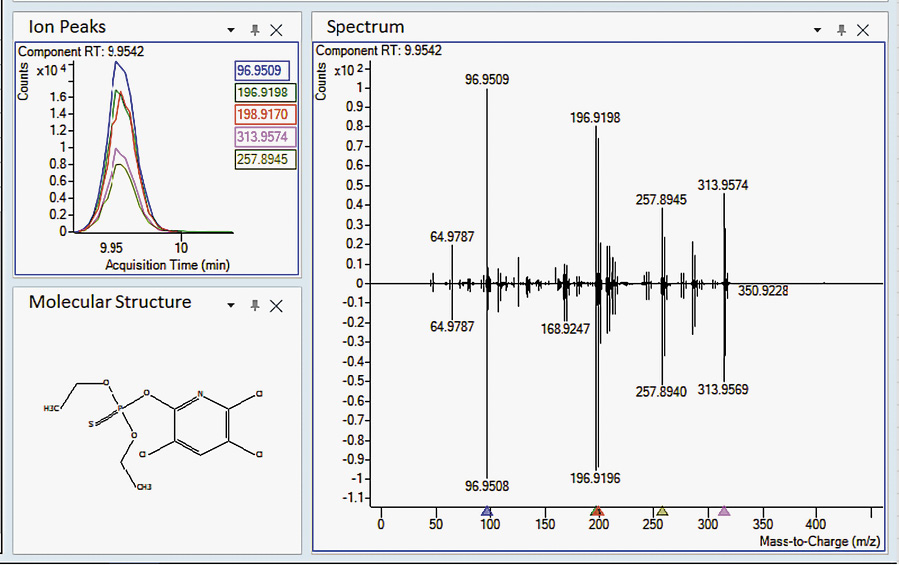 Sure, there are laboratory methods for looking for a small number of specific contaminates in cannabis substrates (target screening), but what about more than a thousand at one time (suspect screening)? In this 2020 paper published in Medical Cannabis and Cannabinoids, Wylie et al. demonstrate a method to screen cannabis extracts for more than 1,000 pesticides, herbicides, fungicides, and other pollutants using gas chromatography paired with a high-resolution accurate mass quadrupole time-of-flight mass spectrometer (GC/Q-TOF), in conjunction with several databases. They note that while some governmental bodies are mandating a specific subset of contaminates to be tested for in cannabis products, some cultivators may still use unapproved pesticides and such that aren't officially tested for, putting medical cannabis and recreational users alike at risk. As proof-of-concept, the authors describe their suspect screening materials, methods, and results of using ever-improving mass spectrometry methods to find hundreds of pollutants at one time. Rather than make specific statements about this method, the authors instead let the results of testing confiscated cannabis samples largely speak to the viability of the method.
Persistent identification of instruments
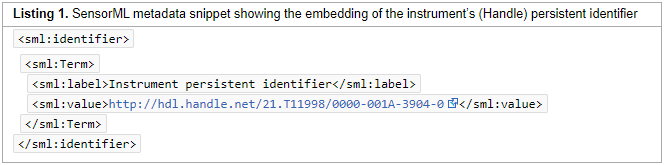 In this 2020 paper published in Data Science Journal, Stocker et al. present their initial attempts at generating a schema for persistently identifying scientific measuring instruments, much in the same way journal articles and data sets can be persistently identified using digital object identifiers (DOIs). They argue that "a persistent identifier for instruments would enable research data to be persistently associated with" vital metadata associated with instruments used to produce research data, "helping to set data into context." As such, they demonstrate the development and implementation of a schema to address the managements of instruments and the data they produce. After discussing their methodology, results, those results' interpretation, and adopted uses of the schema, the authors conclude by declaring the "practical viability" of the schema "for citation, cross-linking, and retrieval purposes," and promoting the schema's future development and adoption as a necessary task,
Cannabis contaminants limit pharmacological use of cannabidiol
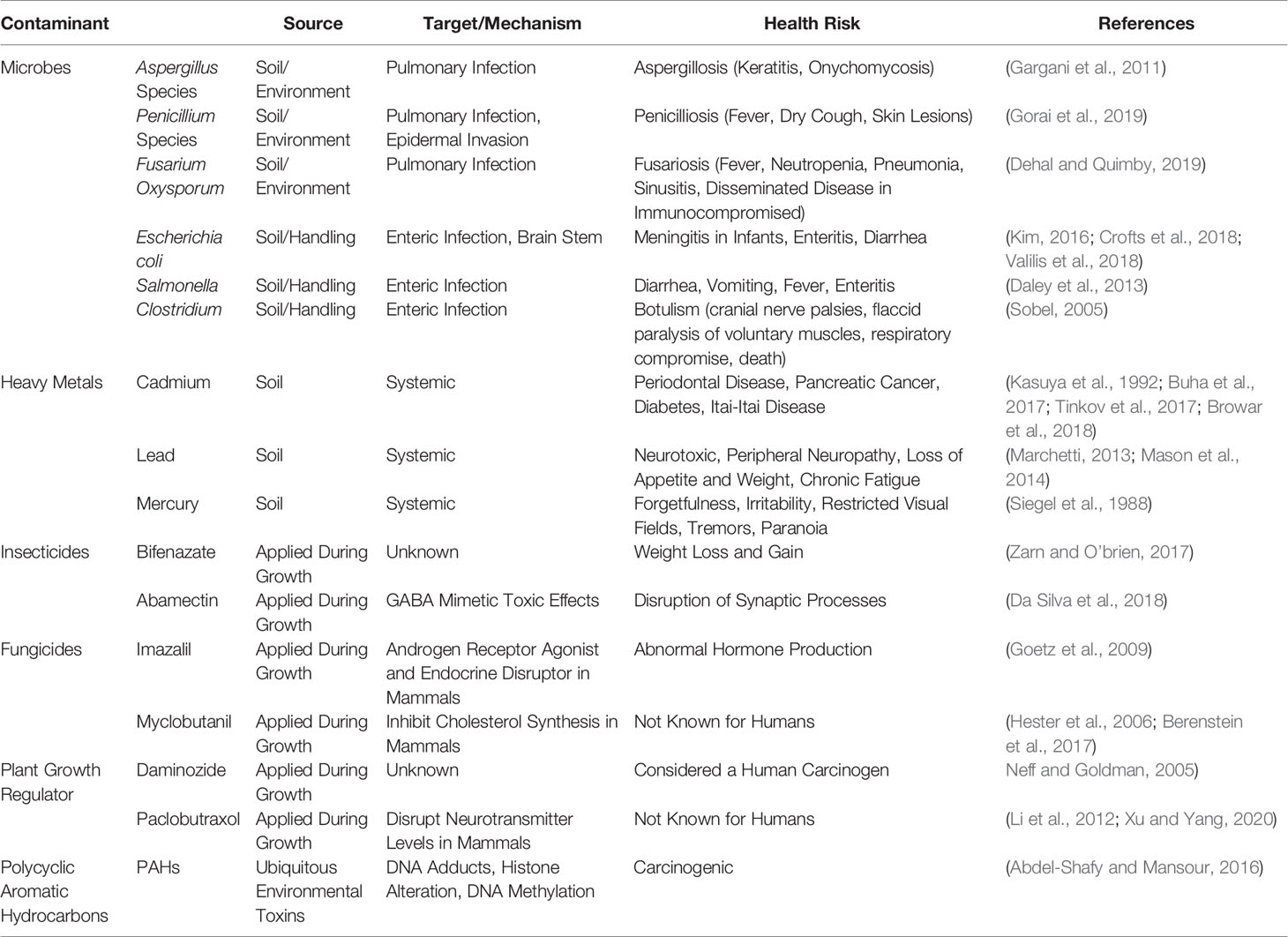 In this 2020 review published in the journal Frontiers in Pharmacology, Montoya et al. discuss the various potential contaminants found in cannabis products and how those contaminants may create negative consequences medically, particularly for immunocompromised individuals. Though the authors take a largely global perspective on the topic, they note at several points the lack of consistent standards—particularly in the United States—and what that means for the long-term health of cannabis users, especially as legalization efforts continue to move forward. In addition to contaminants such as microbes, heavy metals, pesticides, plant growth regulators, and polycyclic aromatic hydrocarbons, the authors also address the dangers that come with inaccurate laboratory analyses and labeling of cannabinoid content in cannabidiol (CBD)-based products. They conclude that "it is imperative to develop universal standards for cultivation and testing of products to protect those who consume cannabis."
Abbott Informatics Announces the Release of STARLIMS Technology Platform V12.1
 STARLIMS Technology Platform is the foundation of each STARLIMS system, either HTML5 or XFD based. It contains the building blocks necessary to build and operate robust LIMS systems decoupled from the underlaying details of operating systems, browsers and databases.
Dotmatics Introduces eln.online to Support Research Start-ups
Dotmatics Ltd, a scientific informatics software and services company that is driving the automation of laboratory data workflows for scientific discovery and innovation research, today announced the introduction of eln.online, a quick start version of its Electronic Laboratory Notebook (ELN).C3.ai Launches C3.ai COVID-19 Grand Challenge
C3.ai, a leading enterprise artificial intelligence (AI) software provider for accelerating digital transformation, today welcomes data scientists, developers, researchers, and creative thinkers from around the world to participate in the C3.ai™ COVID-19 Grand Challenge.Proscia Introduces Third Generation Of The Concentriq Platform To Unify Pathology Operations Across The Connected Enterprise
Proscia®, a provider of digital pathology solutions, has introduced the third generation of its Concentriq® platform to help life sciences organizations accelerate the lengthy drug development process.TriCore Reference Laboratories Selects Inspirata as Its Digital Pathology Solution Provider
Inspirata announced today a multi-year partnership that will see its Dynamyx Digital Pathology Workflow rolled out, in a phased approach, to all pathologists associated with TriCore Reference Laboratories.Autoscribe Releases LIMS System Validation White Paper

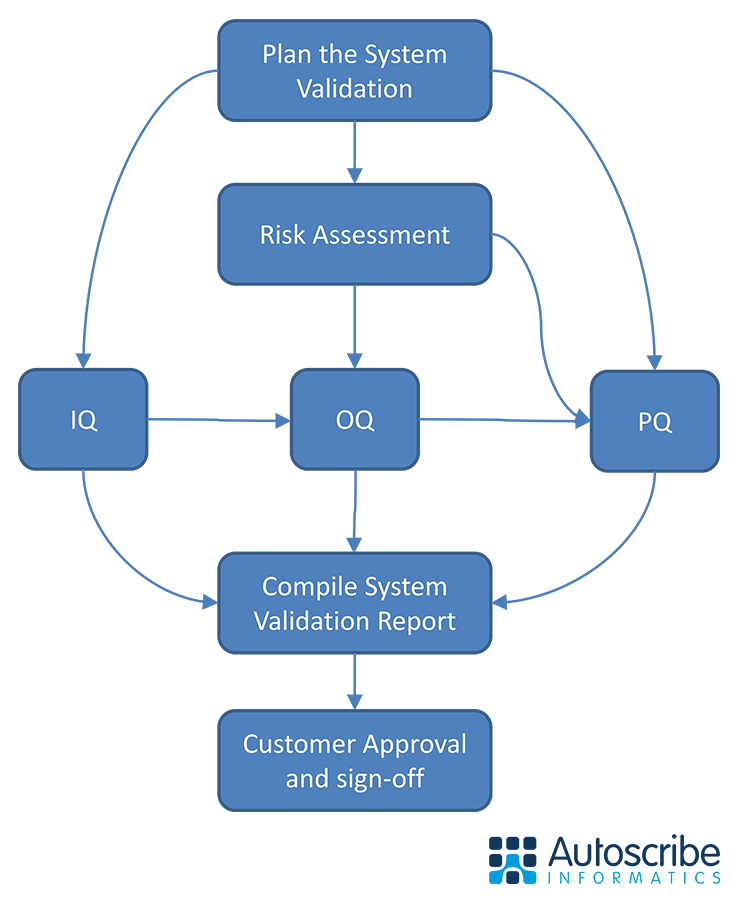 Autoscribe Informatics, a leading global laboratory informatics provider, announced the release of a new white paper on the validation of Laboratory Information Management Systems (LIMS). The white paper discusses what LIMS validation is and the steps involved, the responsibilities of the customer and supplier, how GAMP5 affects LIMS validation, and the deliverables you can expect from a LIMS validation project.
[Read More]
XIFIN LIS 7 Helps Laboratories Process Increased Testing Volumes Due to COVID-19 Crisis
XIFIN is helping laboratories respond to these challenges and seize new opportunities with the next iteration of its cloud-based laboratory information system, XIFIN LIS 7. New Capabilities, Including Dolbey Fusion Narrate, Drive Increased Productivity and Patient Throughput Amid SurgeLaboratory Informatics Weekly Update – Volume 18, Issue 37
September 15, 2020 Laboratory Informatics Weekly Update Volume 18, Issue 37 In This Issue Featured Books Past, Present, and Future of Cannabis Laboratory Testing and Regulation in the United States Featured Content 09/15/2020 - Abbott Informatics Announces the Release of STARLIMS Technology Platform V12.1STARLIMS Technology Platform is the foundation of each STARLIMS system, either HTML5 or XFD based. It contains the building blocks necessary to build and operate robust LIMS systems decoupled from the underlaying details of operating systems, browsers and databases. 09/15/2020 - Autoscribe Releases LIMS System Validation White PaperAutoscribe Informatics, a leading global laboratory informatics provider, announced…COVID Testing for Schools and Universities

With COVID-19 on the rise in many universities and schools around the country, many of these institutions are searching for ways to keep their students, faculty, and staff safe this school year. With the spread of the virus increasing amongst young people, the pressure for quick and accurate testing and reporting is also on the rise. LabLynx has been leading the way to meet the needs of these...
[Read More]
Development of an informatics system for accelerating biomedical research
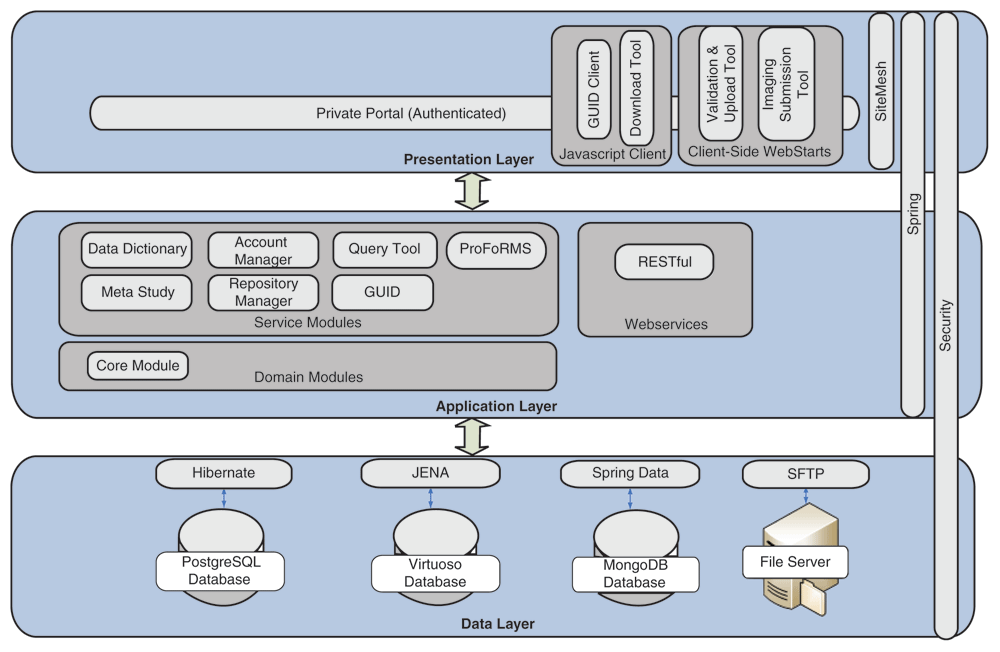 Appearing originally in a 2019 issue of F1000Research, this recently revised second version sees Navale et al. expand on their development, implementation, and various uses of the Biomedical Research Informatics Computing System (BRICS), "designed to address the wide-ranging needs of several biomedical research programs" in the U.S. With a focus on using common data elements (CDEs) for improving data quality, consistency, and reuse, the authors explain their approach to BRICS development, how it accepts and processes data, and how users can effectively access and share data for improved translational research. The authors also provide examples of how the open-source BRICS software is being used by the National Institutes of Health and other organizations. They conclude that not only does BRICS further biomedical digital data stewardship under the FAIR principles, but it also "results in sustainable digital biomedical repositories that ensure higher data quality."
Cytotechnologist
75k-78k or $45hr per diem
Responsibilities:
This position is responsible for examination of cytology slides for the presence or absence of malignant and/or premalignant conditions and other entities.
Specific Duties:
- Verification of specimen identification.
- Wearing appropriate PPE, when working in the cytoprep laboratory
- Screening of GYN and NON-GYN slides and accurately entering diagnoses/interpretations into the laboratory information system
- Proper use of imaging equipment to diagnose relevant cytology cases
- Checking patient histories, clinical information, sources, and HPV results when applicable before screening
- Sending all cases interpreted as “Negative” with abnormal history, no endocervical cells, unsatisfactory specimens, HPV positive, and cases with endometrial cells where the patient is greater than 45 years old for quality control rescreening with appropriate log sheets
- Sending all abnormal and “Reactive” cases to the pathologists’ queues with appropriate referral sheets
- Screening quality control cases (if qualified and instructed to do so)
- Sending cases to appropriate queues for clients with special requests
- Maintenance of daily slide records and daily performance of microscope maintenance
- Providing copies of workload records from outside employment in workload log books and making sure combined daily workload does not exceed NYS regulations
- Sending problem cases to transcriptionists or manager for clarification before screening.
Case Study: LabVantage LIMS Biobanking Validation for a Contract Research Organization

 A contract research organization (CRO) providing full-service clinical development services to biopharmaceutical and medical device sponsors was interested in implementing one centralized system to manage their biorepository. They choose to install the LabVantage pre-packaged LIMS designed for biobanking (LabVantage Biobanking), as this system is pre-configured to address all aspects of biorepository management.
[Read More]
COVID-19 Testing Labs Can Skip RNA Extraction, Simplifying and Accelerating Workflow, With New Promega XpressAmp™ Direct Amplification Reagents
Laboratories testing for COVID-19 have a new tool that enables them to skip the potentially bottlenecked RNA extraction step of the workflow and move directly to polymerase chain reaction (PCR) amplification. Promega Corporation today released XpressAmp™ Direct Amplification Reagents that facilitate RNA extraction-free sample preparation that is automation-friendly.First U.S. Lab Implements AI-based Solution for Cancer Detection in Pathology
CorePlus Servicios Clínicos y Patológicos, LLC, a high complexity CLIA-certified clinical and anatomic pathology laboratory, announces the first deployment in the Americas of an artificial intelligence (AI) powered digital pathology solution for detecting prostate cancer at its main facilities in Carolina.Lab Lessons from COVID-19: Best-of-Breed Systems Enable Stronger Response

 The lab is the command post in the fight against COVID-19.
If your organization is considering a shift from best-of-breed laboratory technology to an enterprise-wide system and EHR with a patchwork of add-on applications, now is an important time to elevate this question: During a pandemic, is it fiscally responsible to spend millions moving away from best-of-breed laboratory systems that work?
Read more in our blog post, Best-of-Breed Systems Enable Stronger Response

