Indica Labs partners with Ibex to deliver AI-powered clinical workflows to improve cancer diagnosis
ndica Labs, an industry leader in quantitative digital pathology & image management solutions, and Ibex Medical Analytics, a pioneer in artificial intelligence (AI) based cancer diagnostics, announced an agreement to integrate the Galen™ AI-based cancer diagnostics platform into the HALO AP® digital pathology workflow platform.Digital Transformation is Not Just About Technology, It’s Also About Process

Programmer Analyst II (Dallas Water) (LIMS Administrator)
Programmer Analyst II (Dallas Water) (LIMS Administrator)
An Equal Opportunity Employer
SALARY
$26.55 – $38.46 Hourly $2,123.92 – $3,076.69 Biweekly $55,222.00 – $79,994.00 Annually
OPENING DATE: 05/26/21
CLOSING DATE: 07/31/21
Dallas Water Pretreatment and Laboratory Services (PALS): This position oversees and directs the operation of the LIMS system and all computer applications that interface and interact with it.…
Laboratory Informatics Weekly Update – Volume 19, Issue 21
May 26, 2021 Laboratory Informatics Weekly Update Volume 19, Issue 21 In This Issue Featured Books LIMSjournal - Laboratory Technology Special Edition Featured Content 05/26/2021 - Digital Transformation is Not Just About Technology, It’s Also About Process Digital transformation of laboratory operations is a significant undertaking. The different approaches that can be applied, transition of legacy systems, data migration, and the incorporation of new technologies create a web of considerations in determining your strategy. [Read More] 05/25/2021 - The Advantages of Switching to LIMS from Excel and PaperThe public perception of laboratories is that they are filled with the…The Advantages of Switching to LIMS from Excel and Paper
 The public perception of laboratories is that they are filled with the latest technology and make use of extensive automation. The reality however is that many laboratories still use paper notebooks and Microsoft Excel spreadsheets to store, manage and manipulate their data.
[Read More]
Using interactive digital notebooks for bioscience and informatics education
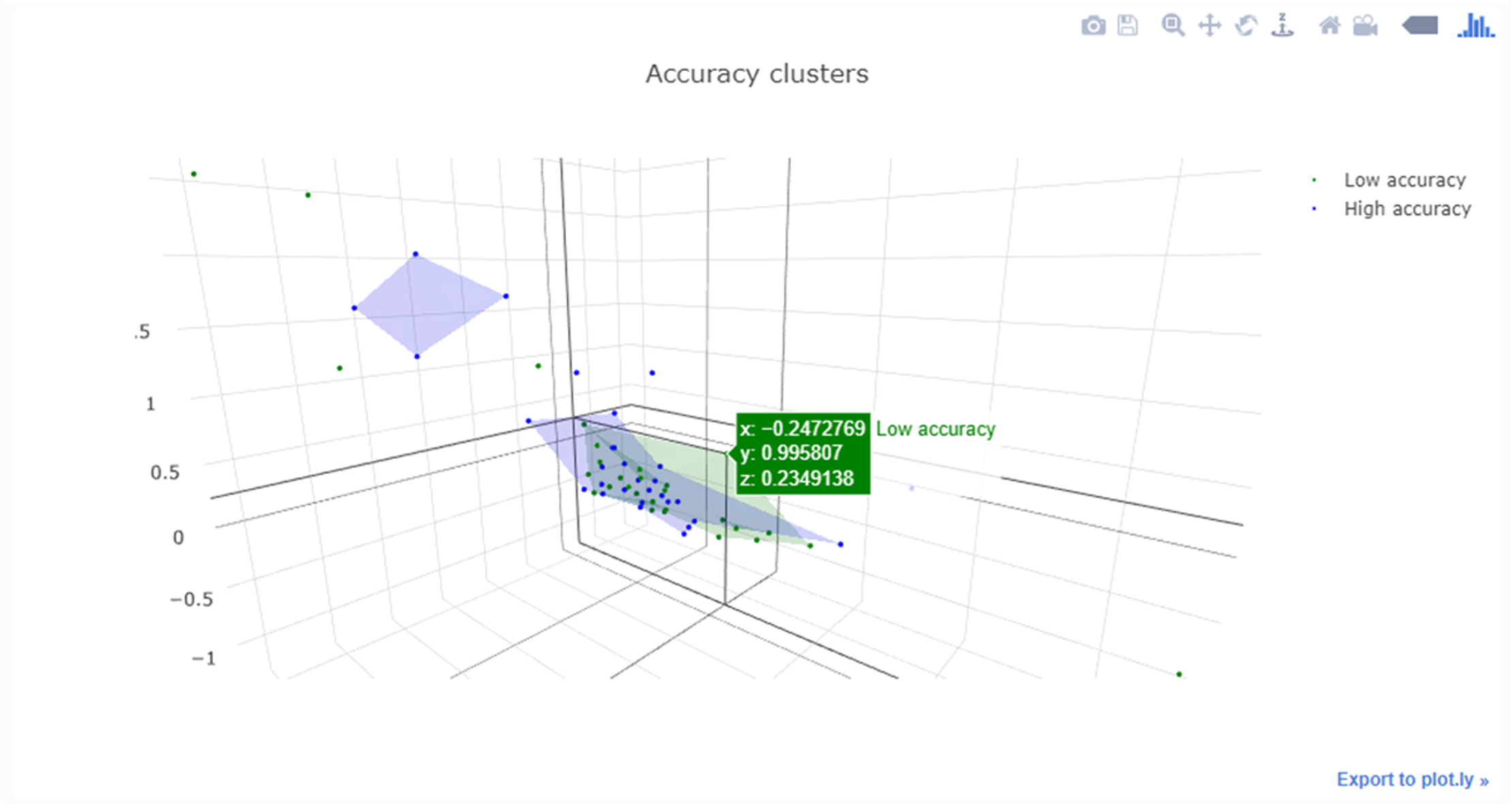 In this 2020 paper published in PLOS Computational Biology, Davies et al. of the University of Manchester discuss their experiences implementing Jupyter Notebooks in bioinformatics and health informatics education. Through these digital notebooks, the researchers were able to help teach future laboratorians with little coding experience how to perform basic coding of health informatics applications, as well as more advanced postgraduates how to apply the notebook to bioinformatics activities. After discussing the inner working of the Jupyter Notebook, the authors explain how such notebooks are able to enhance collaboration and reproducibility in laboratories, as well as improve learning and student assessment in the classroom. They then describe two education-based case studies of using the notebooks, and they describe the end results. The authors conclude that, given their experience as well as their students' experience, such notebooks can act "as a useful resource for learning to code and communicate research findings and analysis" in higher education, with the experience being transferrable to professional work in the future.
Inform Diagnostics and Paige Enter Collaboration to Integrate Digital Solutions with Anatomic Pathology Diagnostics
IRVING, Texas and NEW YORK, May 12, 2021 /PRNewswire/ — Inform Diagnostics, a leading U.S. anatomic pathology provider, and Paige, a global leader in AI-based cancer diagnostic software for digital pathology, today announced an agreement to accelerate the use and optimization of digital pathology workflows at Inform Diagnostics.…
InVita Healthcare Technologies Invests in STACS DNA To Advance Sample Tracking in Healthcare, Forensics
InVita Healthcare Technologies, a leading software provider for complex medical environments including blood, plasma, tissue, and implants, announces its investment in STACS DNA, the world leader in sexual assault kit tracking and software provider to the largest forensic DNA labs in North America.Choosing a Lab Informatics Strategy: What’s Best for Your Startup?
 Laboratory informatics is a critical piece of the puzzle for clinical diagnostic lab startups. Without some serious thought about how they’ll manage their instruments, software, and data management tools, labs can find themselves travelling along a well-worn but meandering path... [Read More]
A Renewed Focus on Customer Success in the Wake of COVID-19
 The COVID-19 pandemic has brought to the forefront many vulnerabilities in the way that we communicate, move around, access healthcare, and conduct business. The year-long distance and resulting loss of connection has caused personal and professional strain for almost everyone.
[Read More]
Make LIMS work for you
 LIMS is developed into a complex software solution. Sometimes too complex! Does it still fulfil its purpose to support your lab process and reduce you administration? Is it still manageable if your processes change or develop, or does it block your Lab Grow?
[Read More]
Moving to a Cloud-based Chromatography Data System (CDS)
 Over the last year, it feels like the world has become more spread out and more remote, but we are all finding ways to work closer together while separated. Within labs, work must continue, and one way to ensure remote access with remote support is to move toward laboratory systems in the cloud.
[Read More]
What are Data Silos Doing to Your Laboratory’s Productivity?
 The R&D landscape by nature is in a constant state of flux, with varying needs for instrumentation, software applications, and workflows. As a result, data can end up in silos; fragmented, unstructured, and inaccessible by other groups.
Academic Institutions and Regulatory Compliance in the Labs: Why It Matters

Laboratory Informatics Weekly Update – Volume 19, Issue 20
May 19, 2021 Laboratory Informatics Weekly Update Volume 19, Issue 20 In This Issue Featured Books The Complete Guide to LIMS and Laboratory Informatics: 2021 Edition Featured Content 05/19/2021 - Choosing a Lab Informatics Strategy: What’s Best for Your Startup?Laboratory informatics is a critical piece of the puzzle for clinical diagnostic lab startups. Without some serious thought about how they’ll manage their instruments, software, and data management tools, labs can find themselves travelling along a well-worn but meandering path... [Read More] 05/19/2021 - The Advantages of Switching to LIMS from Excel and PaperThe public perception of laboratories is that…The Application of Informatics to Scientific Work: Laboratory Informatics for Newbies
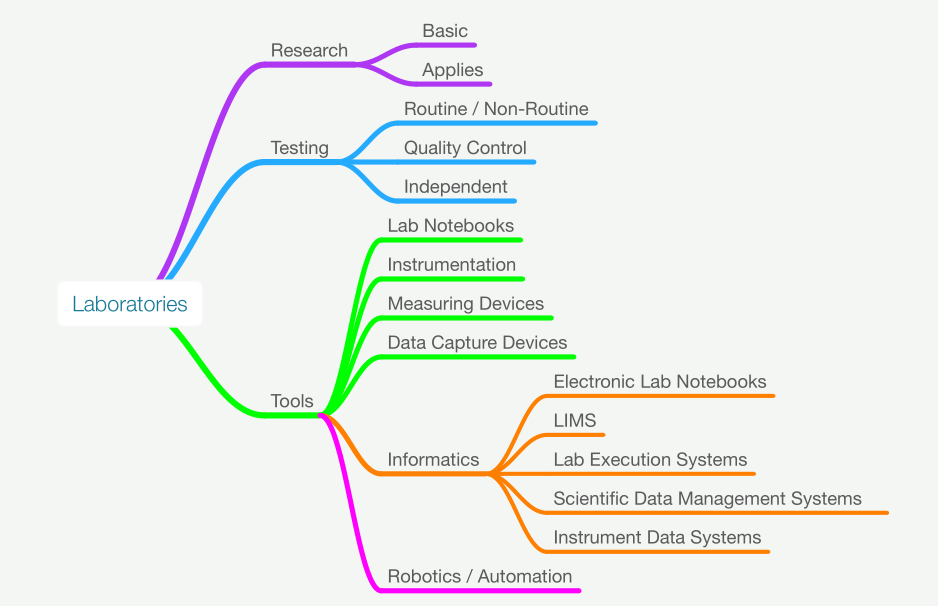 Informatics expert Joe Liscouski is back with another short laboratory informatics guide, this time geared towards those who are relatively new to the concept. In this 2021 guide, Liscouski approaches the various concepts surrounding laboratory informatics, but by first addressing the laboratory itself. What types of scientific and laboratory work are conducted? What's the difference between a research laboratory and a testing or "service" laboratory? How are the workflows different between the two? Liscouski notes that documenting data is critical to both types of laboratories, and historically, the paper-based laboratory notebook has been that tool. From there, he makes the logical leap to electronically documenting the same data, first by word processor and then by the electronic laboratory notebook (ELN). From there, integrating these electronic variations is addressed, as well as how other informatics tools like a laboratory information management system (LIMS) and scientific data management system (SDMS) shape and fit into laboratory workflows. He concludes by discussing the actual planning necessary for implementing these and other laboratory informatics solutions in the lab.
Critical Laboratory Information System Capabilities and Opportunities for End-to-End COVID-19 Testing
 Sneak Peek! New Special Report on Labs and COVID-19.
What should labs look for in an LIS for COVID-19? Get a sneak peak of this new Dark Report publication as we offer a free look at our chapter that covers how technology can accelerate COVID-19 testing, orders and results, interoperability, and reporting.
[READ MORE]
QLIMS and its partners
 OnQ Software is proud to make QLIMS, maybe the best LIMS out there, available around the globe.
Together with our Partners we are standing next to our customers during and after their LIMS journey.
Building the QA lab of the future
Digital technology is becoming essential for businesses across all industries. But in many ways, quality assurance (QA) laboratories — whether they are in food and beverage, pharmaceutical, environmental science or any number of other fields—are still operating with the kind of technology that was around in the 1990s. It’s time to step into the future.Laboratory Software Spotlight – Riffyn