

File- or API-based Integrations: Which is Best for Liquid Handlers?
 When you’re automating your clinical lab, one of the first things you should look for is an opportunity to integrate instruments with your laboratory information management system (LIMS). This is a great way to reduce manual processing and boost the lab’s speed, efficiency, and accuracy. Integrating liquid handlers can...
[Read More]
Laboratory Informatics Weekly Update – Volume 19, Issue 15
April 14, 2021 Laboratory Informatics Weekly Update Volume 19, Issue 15 In This Issue Featured Books LIMSjournal - Laboratory Technology Special Edition Featured Content 04/12/2021 - Reducing Barriers to User Adoption of a New LIMSIntroducing a LIMS can be the best thing that ever happened to your organization. But proper planning, akin to a military operation, ensuring a wide range of inputs and training are key to reducing the barriers to adoption. When a laboratory information management system (LIMS) is introduced into a laboratory it quickly becomes a core part of the organization’s I.T. strategy. [Read More] 04/12/2021 -…Privacy-preserving healthcare informatics: A review
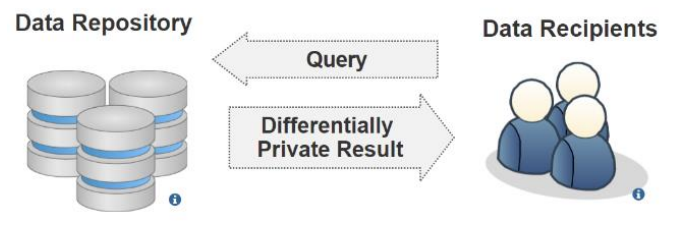 Last week's article looked at inference attacks in the cloud, but they happen in other ways as well. In this 2021 paper, Chong reviews the available literature on inference and other privacy attacks that occur on published healthcare information originally sourced from electronic health records (EHRs) and other health informatics systems. Ethical sharing of this kind of data with researchers conducting statistical analysis, improving clinical decision making, etc. is important, but it must preserve the privacy of the underlying individuals. After briefly discussing data publishing with a strong privacy focus, Chong looks at how healthcare data is typically stored and what threats exist against such data. The author then examines two well-established privacy models, including their strengths and limitations, that can be used to limit those threats: data anonymization and differential privacy. Despite these models, Chong closes by noting that "preserving privacy in healthcare data still poses several unsolved privacy and utility challenges" and expounds on areas for future research into those challenges.
Reducing Barriers to User Adoption of a New LIMS
 Introducing a LIMS can be the best thing that ever happened to your organization. But proper planning, akin to a military operation, ensuring a wide range of inputs and training are key to reducing the barriers to adoption.
When a laboratory information management system (LIMS) is introduced into a laboratory it quickly becomes a core part of the organization’s I.T. strategy.
Sunquest – New Webinar Series: Power to the Pathologist

 Join Sunquest for a two-part webinar series focused on anatomic and digital pathology. Learn how LIS technology is advancing the work of today’s busy pathologist to support comprehensive, coordinated, efficient and high-quality care.
Towards a Modern LIMS: Dynamic Tables, No-Code Databases, and Serverless Validations
Scientific data that demands the flexibility of spreadsheets with the integrity of databases Back in 2018 I was tasked with implementing a Laboratory Information Management System (LIMS) for a genomic sequencing core facility at Weill Cornell Medicine. A LIMS is essentially a database with a few key features... [Read More]Secure data outsourcing in presence of the inference problem: Issues and directions
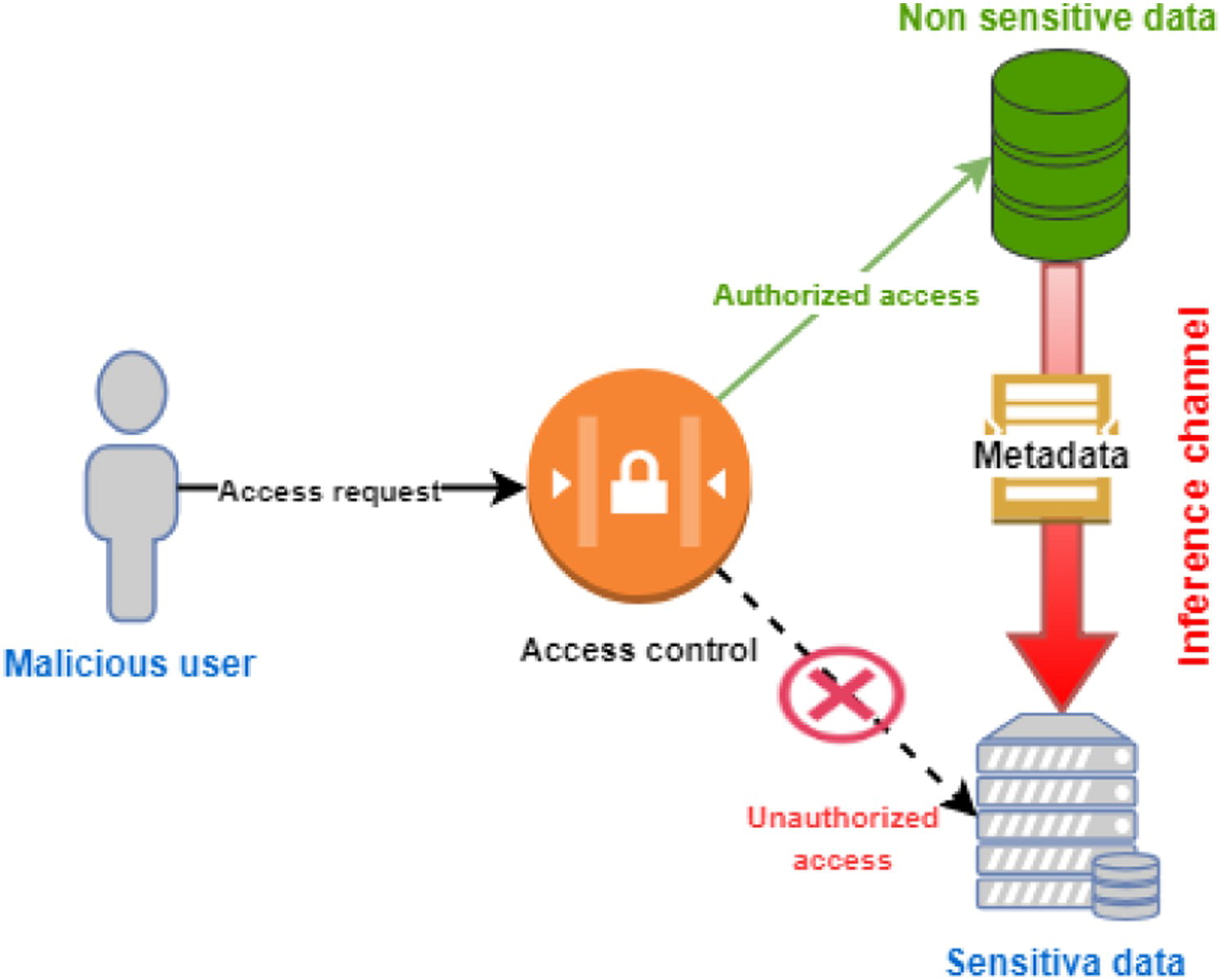 Inference attacks occur when a (typically) malicious actor is able to infer from public information more sensitive information about a database or individual without directly accessing the original database or sensitive user information. That these sorts of attacks can be successful against applications and data on cloud-based infrastructure should not be a surprise to seasoned IT veterans. Recognizing these concerns, Jebali et al. examine the state of inference attacks in the cloud, the research that has been conducted so far on such attacks, and what can be done about them. Aside from examining a variety of security concerns in both communicating and non-communicating servers, the authors also address the inference problem, offering a potential solution that will in theory "optimize data distribution without the need to query the workload, then partition the database in the cloud by taking into consideration access control policies and data utility, before finally running a query evaluation model on a big data framework to securely process distributed queries while retaining access control." They conclude by recognizing more research must be done to test their proposed solution, and noting that past research has often overlooked other types of inference sources such as inclusion dependencies, join dependencies, and multivalued dependencies, which should be further examined.
Laboratory Informatics Weekly Update – Volume 19, Issue 14
April 7, 2021 Laboratory Informatics Weekly Update Volume 19, Issue 14 In This Issue Featured Books The Complete Guide to LIMS and Laboratory Informatics: 2021 Edition Featured Content 04/06/2021 - The Future Vision of Lab Informatics Through the Lens of Mixed Reality Envisioning the lab of the future is the blank canvas for initiating any digital transformation plan in the scientific laboratory. There are numerous paths of standardized approaches that one could embark upon in navigating their digital journey but few have the foresight to fully embrace new cutting edge technology that can truly revolutionize the way you work.…The Future Vision of Lab Informatics Through the Lens of Mixed Reality
 Envisioning the lab of the future is the blank canvas for initiating any digital transformation plan in the scientific laboratory. There are numerous paths of standardized approaches that one could embark upon in navigating their digital journey but few have the foresight to fully embrace new cutting edge technology that can truly revolutionize the way you work.
[Read More]
Astrix Customer Case Study – Managed Services for a Global Specialty Chemicals Company
 A global specialty chemicals company was running Thermo Fisher Scientific SampleManager LIMS™ and Atlas CDS on an SQL server at a number of different sites to collect, store and report operational data. These systems were integrated with instruments, process control systems and SAP. The company initially used internal...
[Read More]
Managing a LIMS Implementation in a Dynamic, Regulated Environment
 Once you’ve selected your laboratory information management system (LIMS), it’s time to implement it within your lab’s software environment. A critical part of this process for regulated labs is validating the LIMS and ensuring requirements traceability. In a nutshell, to meet regulatory requirements, your lab needs to be able to:
[Read More]
Sunquest Mitogen LIMS in Video
 Sunquest Mitogen™ LIMS is a purpose-built workflow management tool for molecular and genetic testing. Watch this new video to see how it can start helping your lab become more efficient while scaling for volume and complexity.
[Read More]





