

Laboratory Informatics Weekly Update – Volume 19, Issue 19
May 12, 2021 Laboratory Informatics Weekly Update Volume 19, Issue 19 In This Issue Featured Books The Complete Guide to LIMS and Laboratory Informatics: 2021 Edition Featured Content 05/12/2021 - Critical Laboratory Information System Capabilities and Opportunities for End-to-End COVID-19 TestingSneak Peek! New Special Report on Labs and COVID-19. What should labs look for in an LIS for COVID-19? Get a sneak peak of this new Dark Report publication as we offer a free look at our chapter that covers how technology can accelerate COVID-19 testing, orders and results, interoperability, and reporting. [READ MORE] 05/12/2021 - QLIMS and its…Blockchain-based healthcare workflow for IoT-connected laboratories in federated hospital clouds
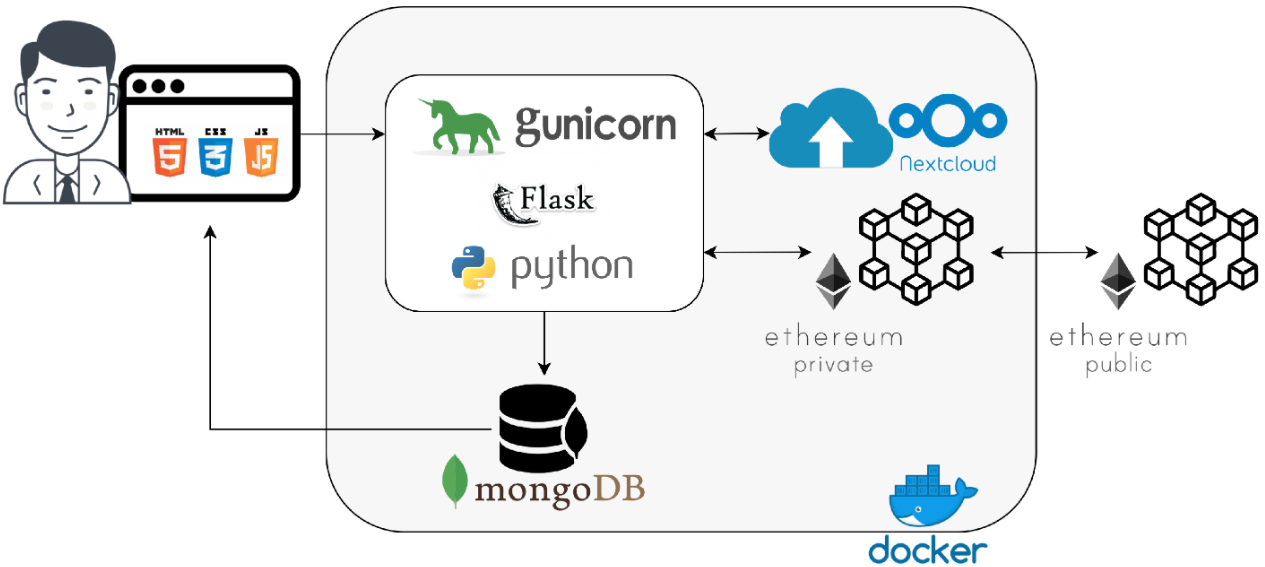 What do the internet of things (IoT), cloud computing, and blockchain all bring to the table of healthcare, particularly during a pandemic? Celesti et al. demonstrate in this 2020 article published in Sensors that the considerate combination of these technologies can lead to a "scenario where nurses, technicians, and medical doctors belonging to different hospitals cooperate through their federated hospital clouds to form a virtual health team able to carry out a healthcare workflow in secure fashion." The authors show how an IoT-connected laboratory that feeds its instrument data into a federated hospital cloud integrated with a blockchain engine can lead to less patient movement and better security of patient data, while also allowing nurses, doctors, and other practitioners from any of the connected hospitals to review results and issue treatments from a distance. They show the results of several experiments with such a system and conclude by promoting its benefits, as well as the possibility of extending the system to the pharmacy world.
Cybersecurity for the Life Sciences R&D Ecosystem
 The rate of data generation is increasing exponentially in today’s technology driven world. This is especially true for R&D activities in the life sciences, where technologies like next generation sequencing (NGS) are creating terabytes of genomics data in a single run...
[Read More]
Tech-Driven Support for– or Alternatives to – Lab Consolidation After Hospital M&A
 Check out this new blog post to learn how best-of-breed laboratory technology can maximize lab value and viability during and after hospital merger and acquisition activity.
CannaQA: One LIMS for Multi-State Cannabis Testing

The fragmentation of cannabis regulations poses a particular challenge for multi-state cannabis testing labs. Although the industry and state regulators are trying to align requirements and standards, testing labs still lose many of the benefits of multi-state operations. CannaQA is a laboratory information management system (LIMS) that can help multi-state laboratories...
[Read More]
How Agile and Scrum Can Help You Build Better Clinical Lab Software
 The Agile methodology is one of the most common project management methods for software development, and for good reason. Its iterative nature lends itself to an ideal build process. Add clearly-defined team roles and a lightweight Scrum framework—with short, focused bursts of work called Sprints, which typically last 1–4 weeks...
[Read More]
QLIMS the realistic alternative….
 If you are planning to upgrade your LIMS, renew your LIMS or implement a LIMS at your laboratory…? Realize that there is a realistic alternative for the LIMS products you already know! Take a look at QLIMS….if you are looking for a product instead an endless project and want to spend your money on Science not on Software.
[Read More]
Understanding Lab Data Management
 Whenever we speak to clients about the needs and pain points in their laboratories, there is one topic that always comes up: Laboratory Data Management. What is interesting is that not all of our clients have the same definition of laboratory data management.
Laboratory Informatics Weekly Update – Volume 19, Issue 18
May 5, 2021 Laboratory Informatics Weekly Update Volume 19, Issue 18 In This Issue Featured Books LIMSjournal - Spring 2021 Featured Content 05/05/2021 - Cybersecurity for the Life Sciences R&D EcosystemThe rate of data generation is increasing exponentially in today’s technology driven world. This is especially true for R&D activities in the life sciences, where technologies like next generation sequencing (NGS) are creating terabytes of genomics data in a single run... [Read More] 05/05/2021 - Tech-Driven Support for– or Alternatives to – Lab Consolidation After Hospital M&ACheck out this new blog post to learn how best-of-breed laboratory technology can…Informatics-driven quality improvement in the modern histology lab
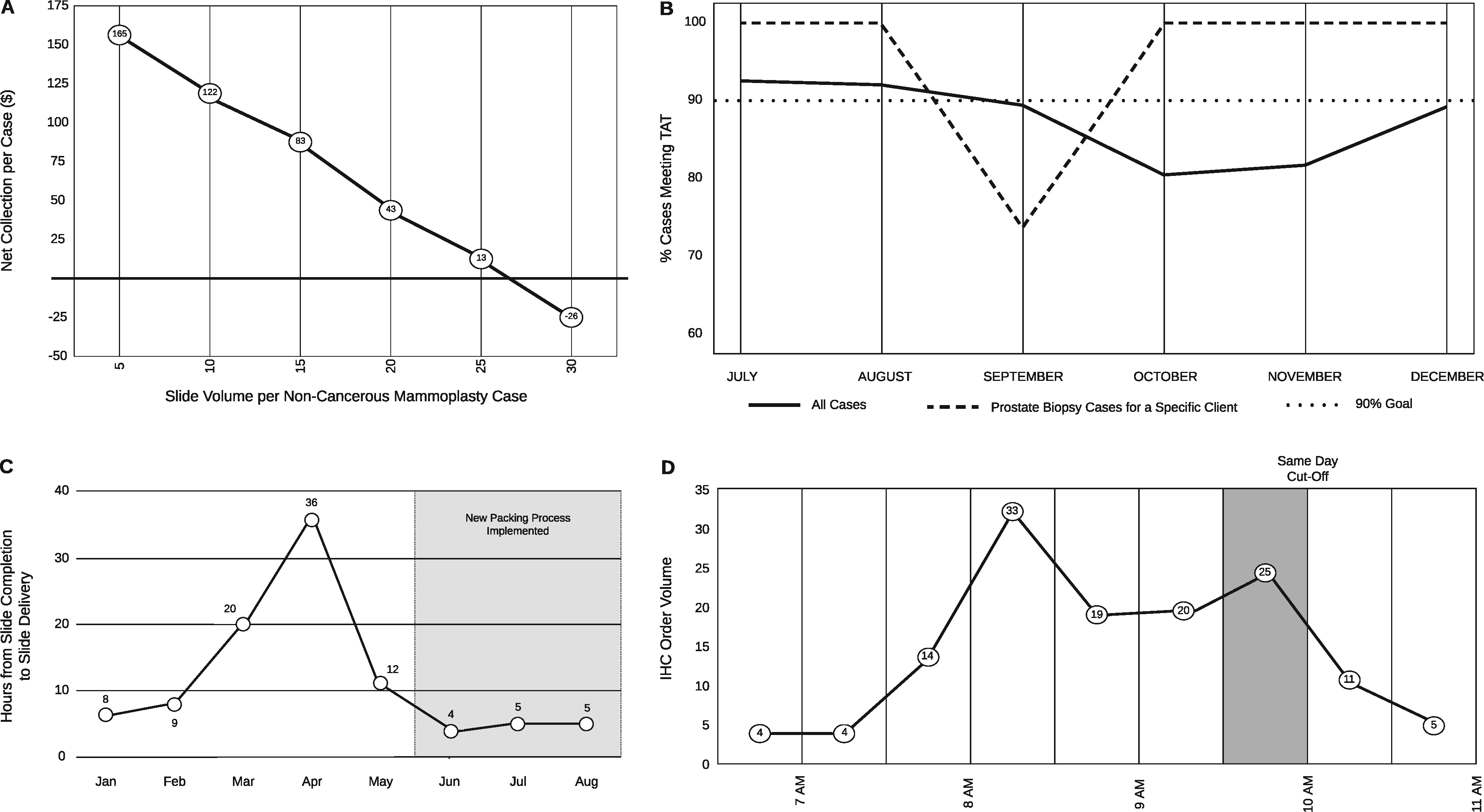 In this brief 2020 paper published in JAMIA Open, Seifert et al. of the University of Florida health system share their experiences with taking their Beaker LIS implementation and improving its data tracking capabilities, which in turn improved "trainee education, slide logistics, staffing and instrumentation lobbying, and task tracking" within their anatomic pathology laboratories. After a brief introduction, the authors demonstrate Beaker's status board and weaknesses, and then show how they used Beaker's MyReports module to develop an improved status board. They then state six significant challenges and how they used the adapted LIS tools to solve them. They conclude that "the technical and/or functionality framework that we demonstrated in this manuscript could be adapted by other institutions to address common problems encountered by anatomic pathology laboratories."
ISO Accreditation: Do I Need It?





