

Definitions, components and processes of data harmonization in healthcare: A scoping review
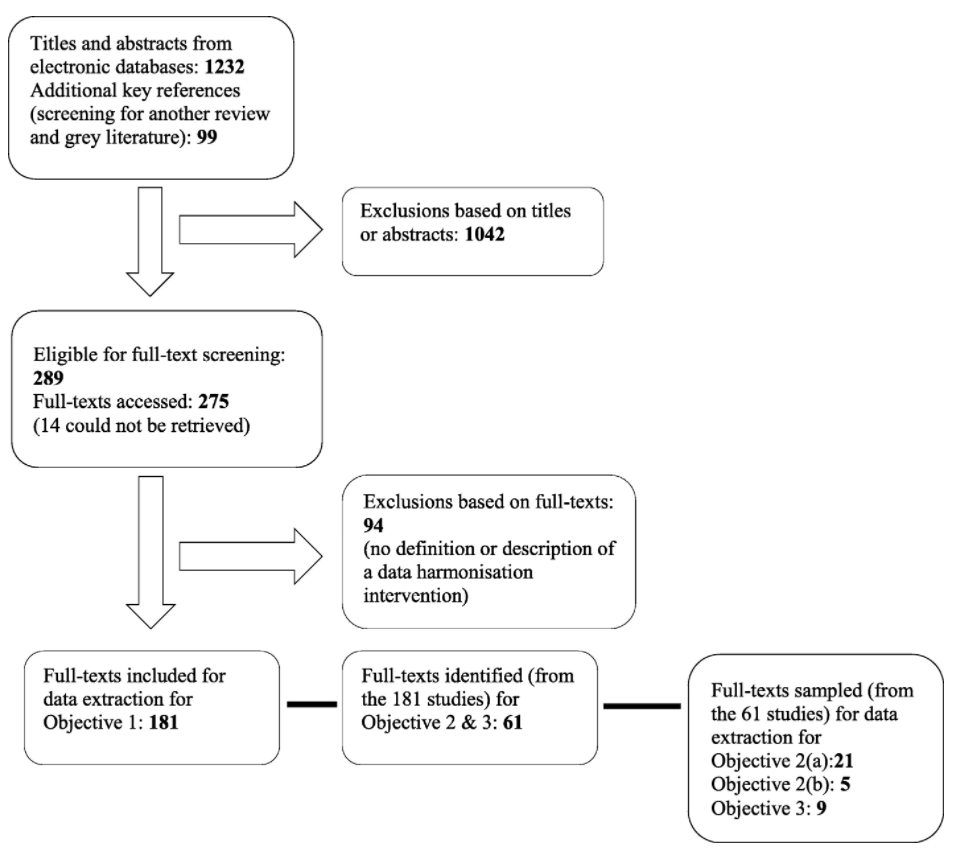 In this 2020 review article published in BMC Medical Informatics and Decision Making, Schmidt et al. detail the state of healthcare data harmonization (DH) literature, analyze commonalities among various DH terms, and determine "the causal relationship between DH and health management decision-making." Noting the value of organizing and integrating healthcare data in order to strengthen many aspects of how the healthcare system runs, the authors lay out the methodology and results of their scoping review of the topic. The group had three primary objectives: identifying the key components and processes of healthcare DH, synthesizing the various related definitions of DH, and documenting relationships between DH interventions and healthcare management decision-making. They conclude that "health information exchange" is the most commonly used term among seven key terms, and that there are nine vital characteristics to making DH work well. They also add that DH, when conducted well, positively contributes to clinic, operational, and population surveillance decision-making in healthcare settings.
Why a LIMS implementation must use a product approach instead of a project one.
 LIMS implementations are often under discussion and get deemed as long term expensive projects with high costs.
But why are these implementations so expensive? Do they really have to take many months or years of time? Can we still call it a product if it needs so many additional services?
We’ll explain why they don’t need to be so.
[Read More]
What Is Computer System Validation, and How Do I Do It Right?

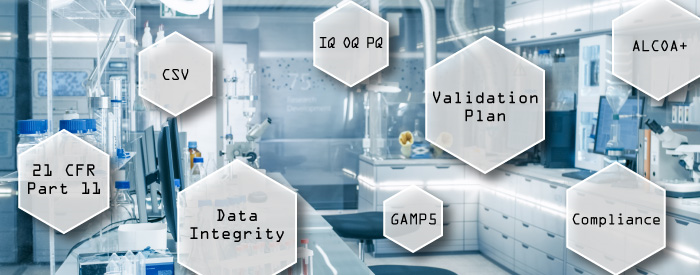 The process of software validation ensures that the system fits its intended use and functions as it should. Computer system validation (CSV) for laboratory informatics is essential because regulated businesses must ensure the safety of their products for consumers, and their laboratory informatics systems (LIMS, ELN, CDS) are an integral part of that. Given its… Read More
Tips for SampleManager LIMS Instrument Integration

 The following blog will detail SampleManager LIMS Instrument integration best practices and procedures to ensure success.
Technological advances in laboratory instrumentation, along with higher throughput processes, have led to massive increases in the volume of analytical data. One of the main challenges faced by organizations today is turning this vast amount of data into useful information that fuels innovation and enables timely and effective business decisions.
[Read More]
Interoperability challenges in the cybersecurity information sharing ecosystem
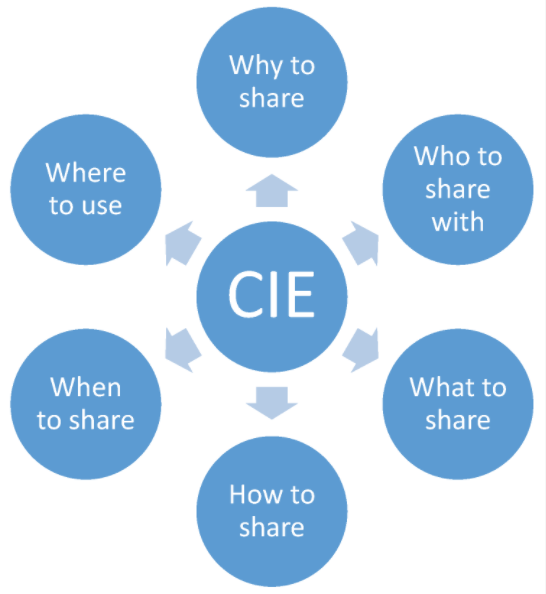 Cybersecurity and how it's handled by an organization has many facets, from examining existing systems, setting organizational goals, and investing in training, to probing for weaknesses, monitoring access, and containing breaches. An additional and vital element an organization must consider is how to conduct "effective and interoperable cybersecurity information sharing." As Rantos et al. note, while the adoption of standards, best practices, and policies prove useful to incorporating shared cybersecurity threat information, "a holistic approach to the interoperability problem" of sharing cyber threat information and intelligence (CTII) is required. The authors lay out their case for this approach in their 2020 paper published in Computers, concluding that their method effectively "addresses all those factors that can affect the exchange of cybersecurity information among stakeholders."
Summer May Have Ended, but it’s Time to Head to the Pool(ed Testing)

 With the end of summer came the return of fall favorites – turning leaves, cooler weather, pumpkin spice, and much more – but also with the fall came flu season, which is particularly worrisome as we battle the COVID-19 pandemic. In Sunquest’s latest blog post, learn how labs can quickly put pooled testing in place to help manage through a fall or winter surge of COVID-19.
[READ MORE]
Five Steps to Successfully Convert Your Classroom Training to ELearning

 Nearly 70 million strong, Millennials are now the largest generation in the American workforce. This generation is tech savvy and, having grown up with 24/7 internet access, sees the world as being connected through technology. Millennials often prefer to interact with others via e-mails and text messaging as opposed to face-to-face communication. As such, corporate training for the Millennial generation may best be accomplished through internet-based delivery systems.
Download
Laboratory Informatics Weekly Update – Volume 18, Issue 43
October 27, 2020 Laboratory Informatics Weekly Update Volume 18, Issue 43 In This Issue Featured Books LIMSjournal - Fall 2020 Featured Content 10/28/2020 - Why a LIMS implementation must use a product approach instead of a project one.LIMS implementations are often under discussion and get deemed as long term expensive projects with high costs. But why are these implementations so expensive? Do they really have to take many months or years of time? Can we still call it a product if it needs so many additional services? We’ll explain why they don’t need to be so. [Read More] 10/28/2020…An Integrated Approach to Organizational Change Management
The digital revolution is fueling a rapid increase in both data volume and complexity that is fundamentally changing how people work, think and address challenges. Industry leading organizations looking to capitalize on this paradigm shift are reinventing business models and processes using novel data sources and technology (cloud, mobile, data analytics, machine learning, AI and more) in a process known as digital transformation.
[Read More]
SaaS in the laboratory- Special Times ask for Special Solutions
With the restrictions caused by COVID-19 , the way we work and organise our family lives has changed. We keep social distance, plan our outdoors activities to meet local regulations and we work as much as possible from home. Laboratories are no exceptions, but in practice difficult to structure for remote working. There is a need for tools to help the lab personnel to, partly, work remotely and at the same time to maintain the expected level of accuracy and quality in secure environment.
[Read More]
LIMS Implementations – Important Lessons Learned
Gain insight into past LIMS implementation projects to learn from their failures and successes so that your deployment can be done right, the first time.LIMS implementation projects can be highly complex IT projects and, therefore, carry the same risks to success as other projects (and not just IT projects). Wouldn’t it be great to have inside knowledge on how other projects have gone, learn from their mistakes, and capitalize on their successes?





