

Overcoming Challenges in Requirements Gathering
 It is impossible to overstate the importance of thoroughly gathering requirements for the success of an implementation project. Although that seems like hyperbole, unfortunately, it is not. When difficulties arise in a lab informatics or enterprise system implementation, it is almost always because of incomplete requirements gathering or a failure to understand the underlying workflows and processes fully. So, how do you ensure that requirements are gathered as thoroughly as possible? This blog post covers the fundamentals. [Read More]
Three ways to successfully scale your toxicology laboratory
 The global toxicology laboratory testing market is booming. Increasing the efficiency and throughput of testing from order capture to instrument are front-of-mind for any toxicology laboratory. With the volume of forecasted growth in the market looking so strong, enabling your laboratory to move from handling daily volumes in the 100s to the 10,000s on a regular basis, as well as being ready to respond to unplanned peaks, is critical to capitalizing on this market growth. [Read More]
Run Your Lab Like a Business – Part 2
 In the first blog post, we explored the importance of adopting a business approach in laboratory operations. Building on that foundation, we now turn our attention to maximising efficiency, measuring progress, and how a digital solution LIMS helps to achieve these goals. Whichever combination of ‘good’, ‘fast,’ or ‘cheap’ a lab opts to execute, it will make little progress if it lacks ways to reorganise resources to maximise efficiency. [Read More]
What is the importance of food safety laboratories to society?
 Food and beverage testing labs are at the forefront of ensuring a safer, more reliable food supply. These labs fill an important gap in the larger risk assessment framework that can't supply inspectors for every producer, farm, or import channel. Food safety labs help minimize foodborne illnesses, reinforce economic stability, and give consumers the knowledge to make healthier, safer choices. [Read More]
Judgements of research co-created by generative AI: Experimental evidence
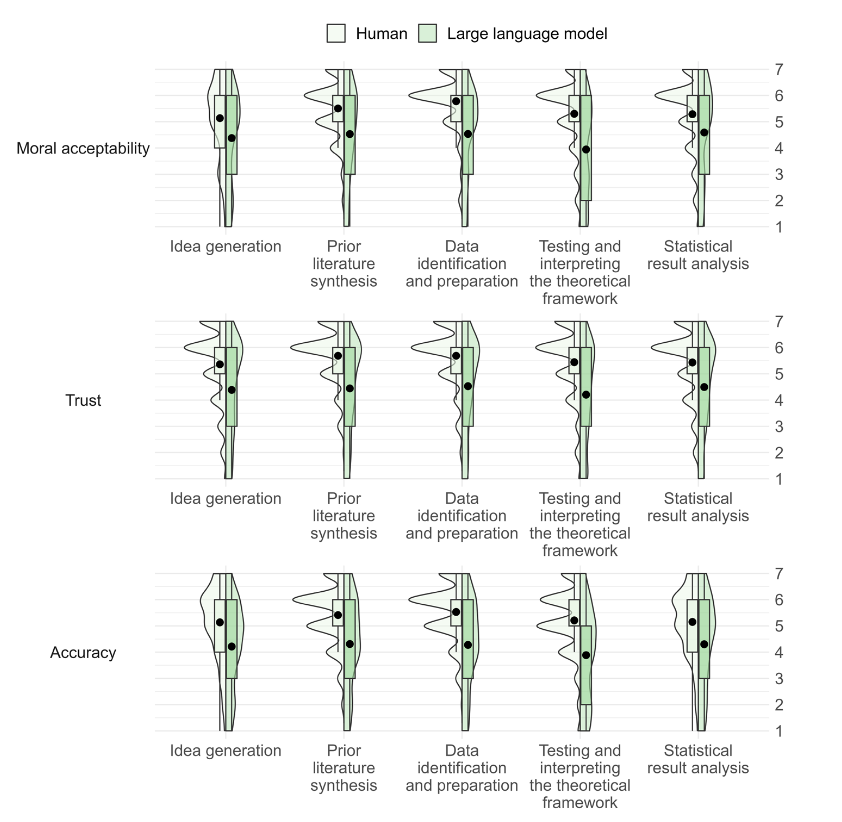 As discussion of artificial intelligence (AI) continues to ramp up in not only academia but also industry and culture, questions abound concerning it's long-term potential and perils. Attitudes about AI and what it means for humanity are diverse, and sometimes controversial. In this 2023 paper published in Economics and Business Review, Niszczota and Conway contribute to the discussion, particularly in regards to how people view research co-created by generative AI. Recruiting more than 440 individuals, the duo conducted a mixed-design experiment using multiple research processes. All said, their "results suggest that people have clear, strong negative views of scientists delegating any aspect of the research process" to generative AI, denoting it "as immoral, untrustworthy, and scientifically unsound." They conclude that "researchers should employ caution when considering whether to incorporate ChatGPT or other [large language models] into their research."
Laboratory Informatics Weekly Update – Volume 22, Issue 9
February 29, 2024 Laboratory Informatics Weekly Update Volume 22, Issue 9 In This Issue Featured Books The Complete Guide to LIMS and Laboratory Informatics - 2024 Edition Featured Content Essential Guide to – FHIR (Fast Healthcare Interoperability Framework from HL7 )Within modern healthcare technology, data interoperability has become a prominent topic. Electronic health records (EHRs) must be accessible across platforms for specified parties, while protecting data integrity. Seamless data exchange improvements are sought after in the field by healthcare providers, stake holders and developers. Fast Healthcare Interoperability Resources (FHIR) is the solution developed by the Health Level 7 standards…Essential Guide to – FHIR (Fast Healthcare Interoperability Framework from HL7 )
 Within modern healthcare technology, data interoperability has become a prominent topic. Electronic health records (EHRs) must be accessible across platforms for specified parties, while protecting data integrity. Seamless data exchange improvements are sought after in the field by healthcare providers, stake holders and developers. Fast Healthcare Interoperability Resources (FHIR) is the solution developed by the Health Level 7 standards organization (HL7 ). Today, we dive into an increasingly important push towards FHIR framework and what you need to know on its rise within the healthcare technology. [Read More]
What standards and regulations affect a food safety laboratory?
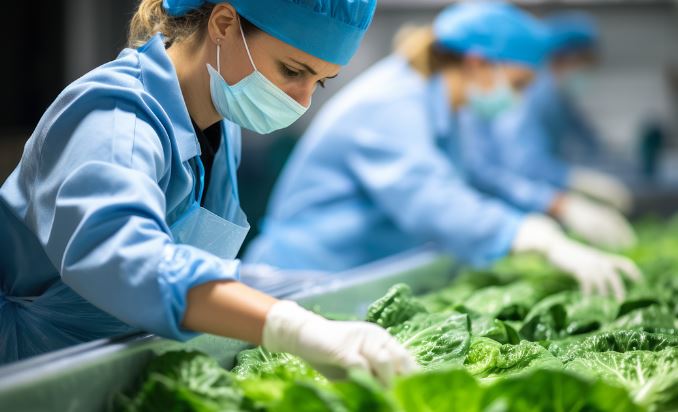 Food safety laboratories navigate a comprehensive regulatory environment, ensuring the security of the worldwide food supply. In order for the food and beverage industry to be a safer, more well-trusted industry, it must incorporate quality control and standardized manufacturing methods into its efforts, which in turn require laboratory analyses to ensure meeting those quality and manufacturing standards. [Read More]
Run Your Lab Like a Business – Part 1
 In this blog article, we are discussing a very interesting and ambitious topic: Run Your Lab Like a Business. We will explore why it can be beneficial for some labs to adopt a managing business approach to their operations, aiming for best practices, optimal solutions, and greater achievements. Would running your lab like a business lead to real success? Why is this approach important, and how can it benefit your laboratory? We delve into the reasons why adopting this mindset can drive greater efficiency and success in your lab operations. [Read More]
AZ Sint-Maarten goes paperless with DaVinci LIS
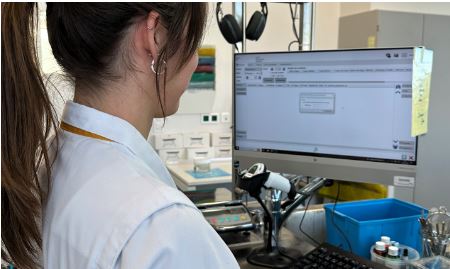 In March 2023, the Pathological Anatomy Laboratory at the AZ Sint-Maarten hospital in Mechelen, Belgium, went live with a new DaVinci environment. In addition to upgrading the existing DaVinci laboratory information system (LIS), three separate databases were also merged into a single, central, multi-site environment. The laboratory now operates with a process-driven and virtually paperless workflow. [Read More]
What potential does a LIMS have in improving the safety and satisfaction of food and beverage consumers?
 In food and beverage labs, paper-based approaches have given way to digital informatics approaches for maintaining the safety and satisfaction of consumer-driven demand for quality foods and beverages. This includes the laboratory information management system (LIMS), which brings the potential for greater traceability and improved insight into the processes of the food and beverage business. [Read More]
Geochemical biodegraded oil classification using a machine learning approach
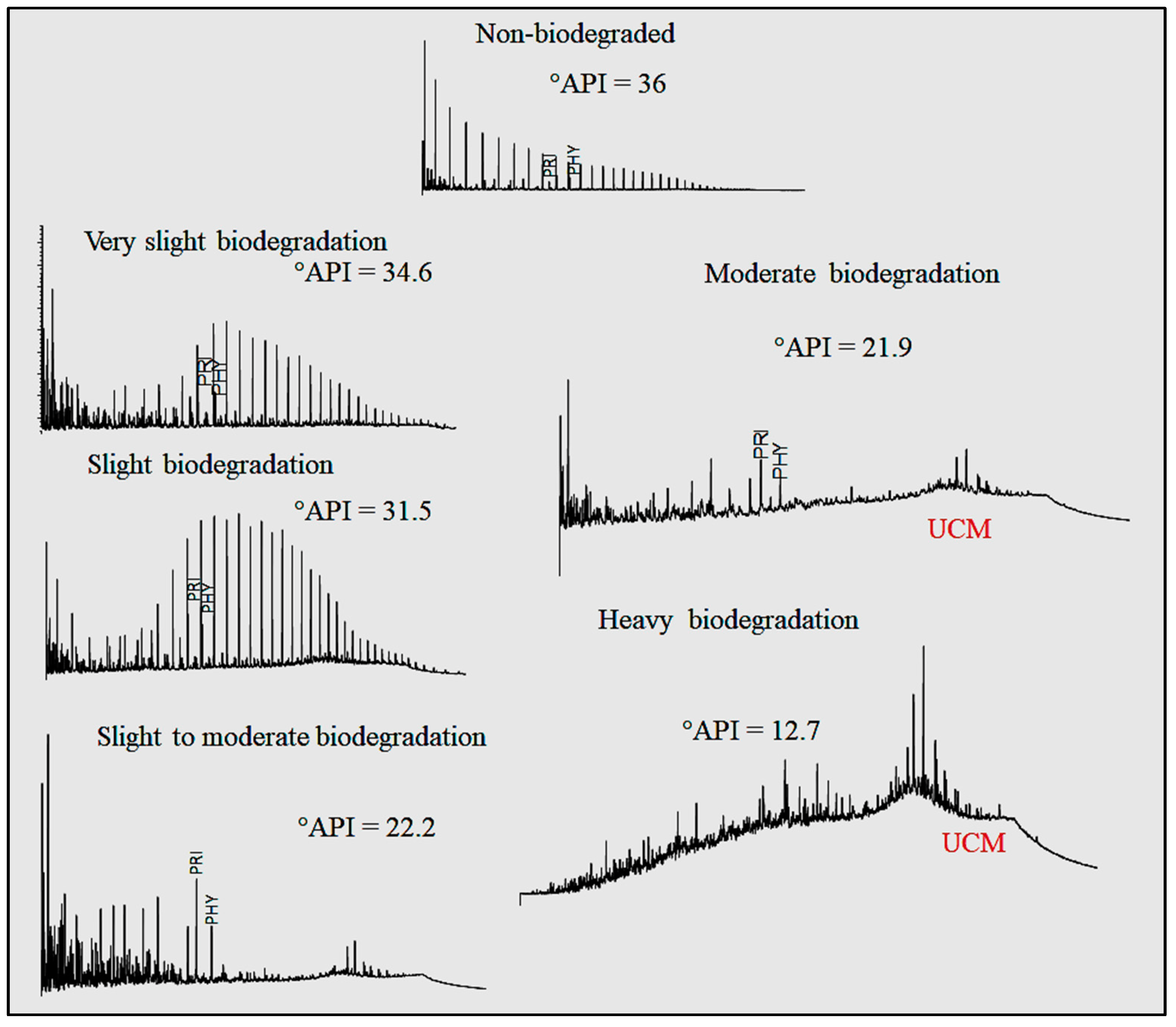 The use of chromatography methods in characterizing and interpreting phenomena related to oil has been around for a long time. However, reading chromatograms—particularly large quantities of them—can be time-comsuming. Bispo-Silva et al propose a more rapid process using modern deep learning and artificial intelligence (AI) techniques, increasingly being used in large companies. The authors land on using convolutional neural networks (CNN) for this work, particularly in the use of discriminating biodegraded oils from non-biodegraded oils. After presenting background on the topic, as well as their materials and methods, the authors present the results of using CNN and a variety of algorithms to classify chromatograms with both accurate and misleading training materials. The authors conclude that "CNN can open a new horizon for geochemistry when it comes to analysis by" a variety of gas chromatography techniques, as well as "identification of contaminants (as well as environmental pollutants), identification of analysis defects, and, finally, identification and characterization of origin and oil maturation."





