Posted on March 13, 2024
By CSols Inc.
Blog

Learn how to optimize existing tools and embrace emerging technologies like artificial intelligence, data science, simulations, analytics, and lab informatics integrations for enhanced daily operations at this virtual conference - April 3 - 4, 2024. Gain insights on deriving additional value from organizational data, deepen your understanding of AI and digital twins, and be an early adopter of integration platforms and digital transformations.
[Read More]
Posted on March 13, 2024
By LabLynx
Blog

Interoperability and integration are important to today's laboratories. Integration is a critical enabler for access, exchange, and cooperative use of data and information, the other components of interoperability. Whether it's a middleware solution, a LIMS, or a custom automation solution, each lab will need to address interoperability and integration in the greater scope of data, data standards, systems, workflows, inefficiencies, and organizational risks.
[Read More]
Posted on March 13, 2024
By Autoscribe Informatics Inc.
Blog

FDA is gradually tightening the rules on food testing labs to mandate that, under certain circumstances, food testing must be performed only by LAAF-accredited laboratories. This article discusses how this affects contract testing labs and how the can comply with the amendments to Food Safety Modernization Act. The introduction of a laboratory accreditation program for food testing labs by the U.S. Food and Drug Administration (FDA) is intended to improve the testing of food under certain circumstances.
[Read More]
Posted on March 13, 2024
By onQ Software
Blog
<

In the competitive world of laboratory informatics, choosing the right LIMS can be a daunting task. We emphasise the features of QLIMS as the OnQ Software team, but we have decided that nothing will be more real than what we hear from a customer. We have compiled feedback from our customers and asked them why they chose us. Here is ‘Why Choose QLIMS’ insights from the customer.
[Read More]
Posted on March 13, 2024
By Clinisys
Blog

Digital transformation can deliver significant benefits for laboratories and their customers, but investing in the latest, greatest technology is not an immediate path to success. Technology is a key enabler when harnessed correctly, but it’s equally possible to invest in the wrong software for your business needs, or even implement the right software but fail to fully leverage its capabilities and reap the expected rewards.
[Read More]
Posted on March 13, 2024
By LIMS Wizards
Blog

To compete in the era of Industry 4.0, laboratories must leverage artificial intelligence (AI) and machine learning (ML). The use cases in this white paper will show you why working with LabTwin can accelerate your organization’s realization of value from AI and ML. Request this white paper to read the presented use cases for situations familiar to many in biotechnology and pharmaceutical labs.
[Read More]
Posted on March 13, 2024
By LabLynx
Blog

LIMS scalability is the ability to handle growing amounts of data, users, and transactions without performance compromise. As your laboratory expands, the LIMS can adapt and accommodate increased data volume, user interactions, and overall workload. When considering a LIMS, assessing the scalability features, such as system architecture, database capabilities, and performance benchmarks, is essential for meeting current and future needs.
[Read More]
Posted on March 11, 2024
By Shawn Douglas
Journal articles
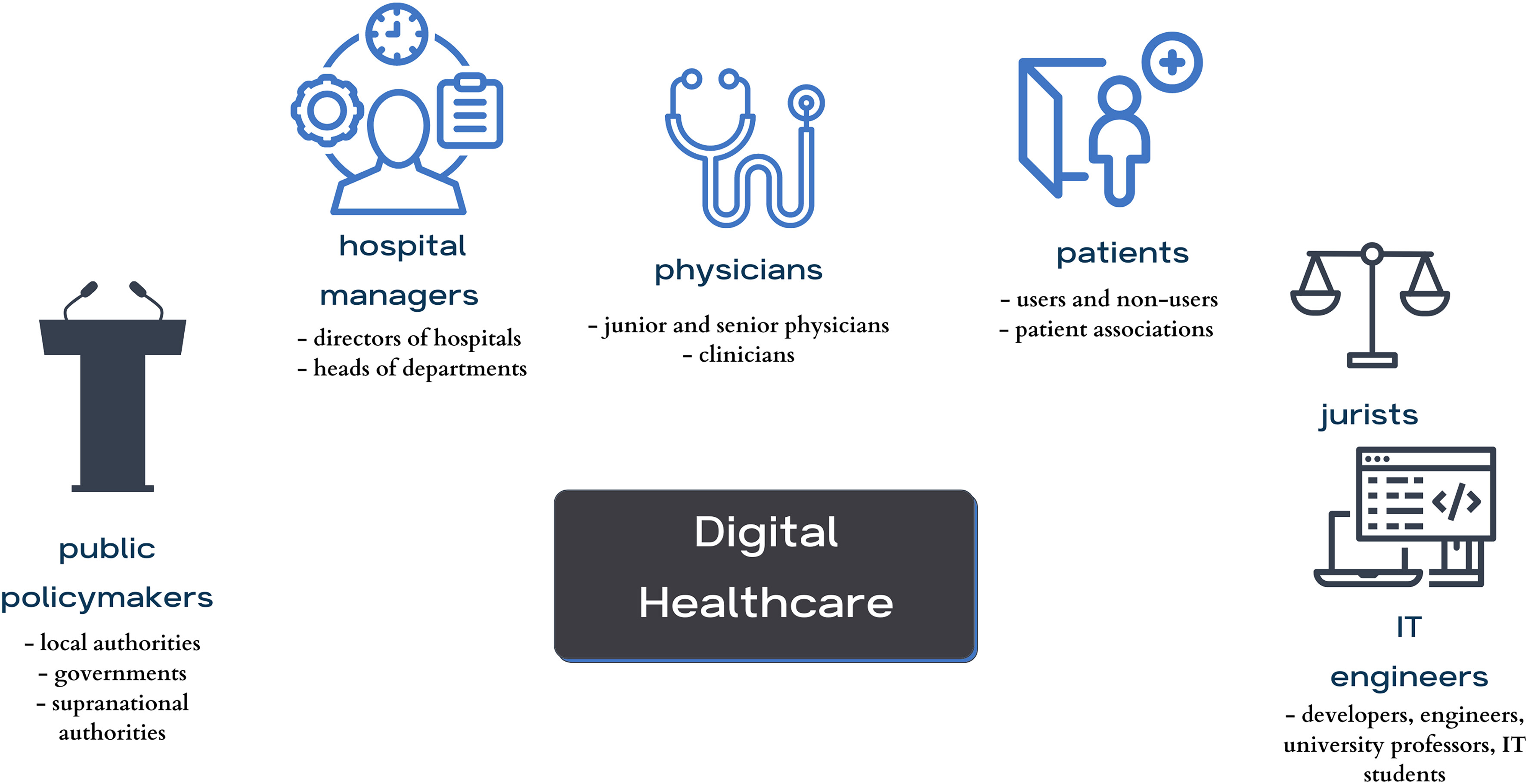
In this 2023 paper published in the journal
Digital Health, Čartolovni
et al. present the results of their qualitative, multi-stakeholder study regarding the "aspirations, expectations, and critical analysis of the potential for artificial intelligence (AI) to transform the patient–physician relationship." Pulling from hours of semi-structured interviews, the authors developed a number of themes from the interviews and discussed how to reach a consensus on their interpretation and use. The authors focused on four main themes and a variety of subthemes and present the results of their work in the framework of these themes and subthemes. From their work, they conclude a definitive "need to use a critical awareness approach to the implementation of AI in healthcare by applying critical thinking and reasoning, rather than simply relying upon the recommendation of the algorithm." Additionally, they highlight how "it is important not to neglect clinical reasoning and consideration of best clinical practices, while avoiding a negative impact on the existing patient–physician relationship by preserving its core values," strongly urging for the preservation of patient-physician trust in the face of increased AI use.
Posted on March 7, 2024
By Corinne Jones
Newsletter
March 7, 2024 Laboratory Informatics Weekly Update Volume 22, Issue 10 In This Issue Featured Books LIMS Selection Guide for ISO/IEC 17025 Laboratories Featured Content How does a LIMS help a food and beverage business improve HACCP compliance?The hazard analysis and critical control points (HACCP) principles, as applied to a food safety management system, help the implementing business identify and procedurally better control a wide variety of identified risks or hazards to food, beverage, and ingredient safety. Food Safety LIMS can improve lab workflows while enhancing food and beverage safety, quality, and compliance in a number of ways. [Read…
Posted on March 6, 2024
By LabLynx
Blog

The hazard analysis and critical control points (HACCP) principles, as applied to a food safety management system, help the implementing business identify and procedurally better control a wide variety of identified risks or hazards to food, beverage, and ingredient safety. Food Safety LIMS can improve lab workflows while enhancing food and beverage safety, quality, and compliance in a number of ways.
[Read More]
Posted on March 6, 2024
By Labbit
Blog

A period of rapid growth is an exciting time for any laboratory. But it can also expose unexpected challenges that can only be solved by implementing a laboratory information management system (LIMS). If your lab is searching for a LIMS for the first time or you need to upgrade your existing system to one with more flexible and expanded capabilities, there are many variables to think about — cost being one of the most important. Before you decide which solution is best for your lab, let’s examine some of the challenges you are likely facing, the true costs of four LIMS options, and the significant benefits of an all-in-one solution.
[Read More]
Posted on March 6, 2024
By LIMS Wizards
Blog

The most significant drawback to an electronic lab notebook (ELN) is that it lives on a desktop computer and is often far from the lab bench. The risk of data loss or corruption is high when humans must remember to transcribe results correctly. Read this white paper to learn how LabTwin’s accurate, hands-free voice capture functions as your digital lab assistant at the bench.
[Read More]





