Posted on January 12, 2023
By Corinne Jones
Newsletter
January 12, 2023 Laboratory Informatics Weekly Update Volume 21, Issue 2 In This Issue Featured Content 01/11/2023 - Laboratories Must Start Exploiting the Benefits of DigitalizationAs a tight labor market makes it difficult to find staff, and tougher economic conditions start to bite, laboratory managers are being forced to think hard about driving efficiency. Using the power of computer-based laboratory informatics solutions provides an easy win, but many organizations are still not fully exploiting the benefits that solutions such as LIMS offer. Reducing the number of manual ‘touch points’ and interventions for samples and their data is key to…
Posted on January 11, 2023
By Autoscribe Informatics Inc.
Blog

As a tight labor market makes it difficult to find staff, and tougher economic conditions start to bite, laboratory managers are being forced to think hard about driving efficiency. Using the power of computer-based laboratory informatics solutions provides an easy win, but many organizations are still not fully exploiting the benefits that solutions such as LIMS offer. Reducing the number of manual ‘touch points’ and interventions for samples and their data is key to driving up efficiency.
[Read More]
Posted on January 11, 2023
By LabLynx
Blog

Laboratory work depends upon highly skilled people and sophisticated equipment to produce knowledge, information, and data. The cost, value, and ROI for those products are affected by the methods used to record and manage them. Producing knowledge, information, and data is one key aspect of laboratory work. Keeping it useable, accessible, and searchable over the long term is key to maintaining its value and realizing the return on your investment in laboratory space, equipment, and personnel.
[Read More]
Posted on January 11, 2023
By Agaram Technologies
Blog

This annex applies to all forms of computerised systems used as part of a GMP regulated activities. A computerised system is a set of software and hardware components which together fulfill certain functionalities. The application should be validated; IT infrastructure should be qualified. Where a computerised system replaces a manual operation, there should be no resultant decrease in product quality, process control or quality assurance. There should be no increase in the overall risk of the process.
[Read More]
Posted on January 11, 2023
By Astrix Technology Group
Blog
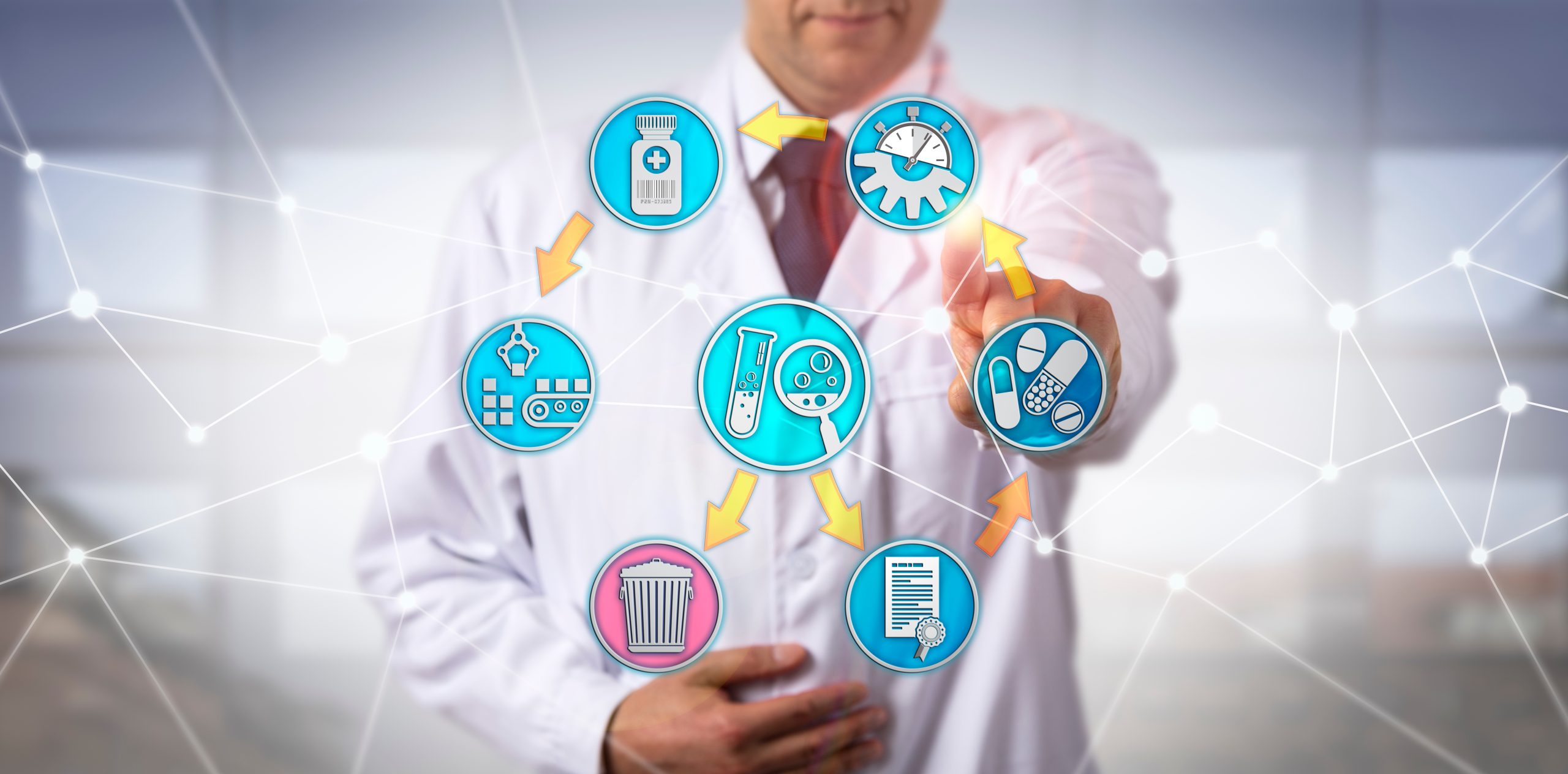
The Intake process and its corresponding tools have been a point of focus for companies updating their safety systems because the Case Intake (Initial Triage) Workflow phase can take up to 50% of the overall case processing time. While some companies are taking a “Big Bang” approach to evaluating (and replacing) safety systems, many look to maximize their investments by limiting their focus to improving or replacing their Intake tool.
[Read More]
Posted on January 11, 2023
By Autoscribe Informatics Inc.
News
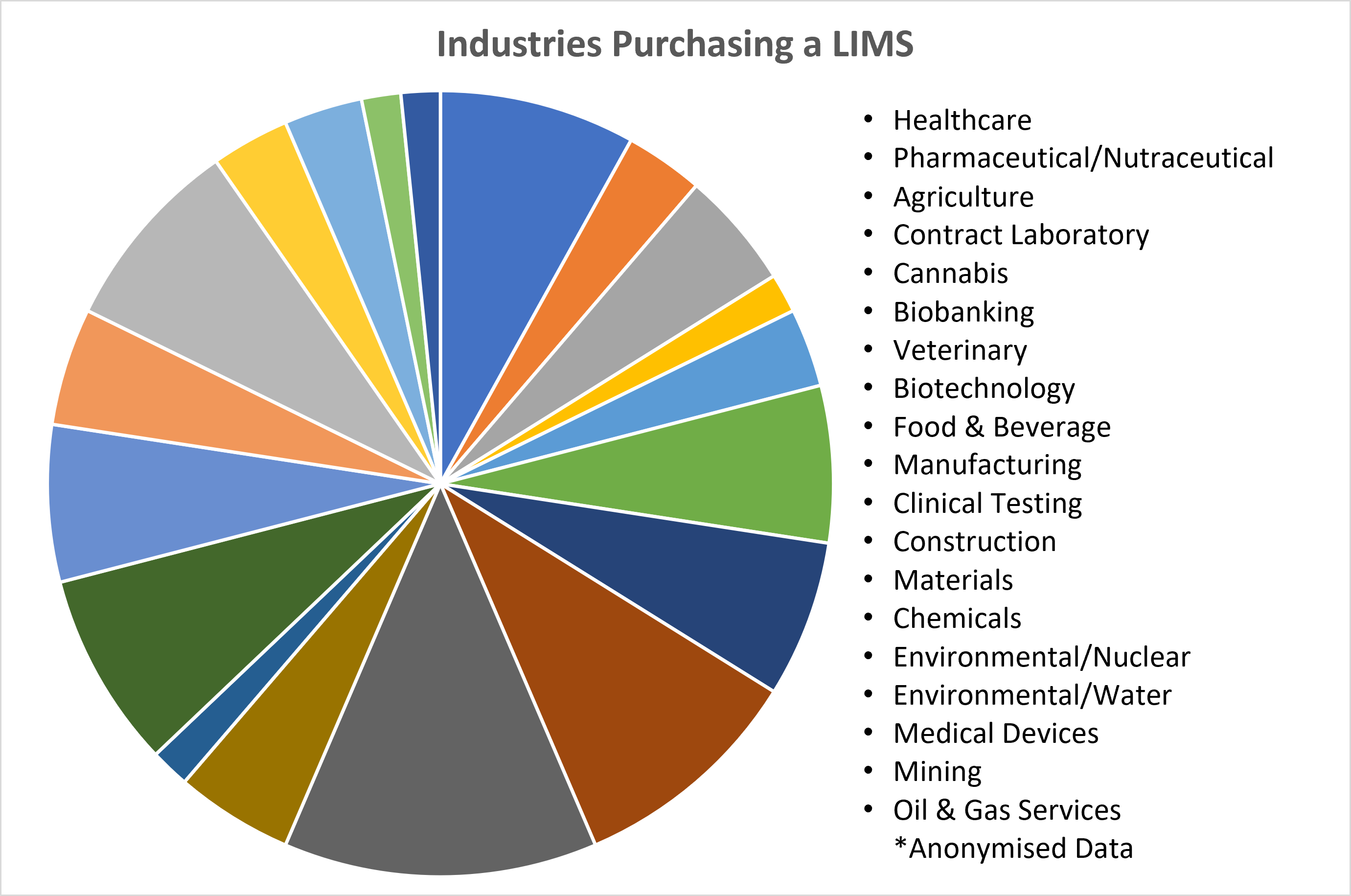
Recent data released by Autoscribe Informatics shows the breadth of industries purchasing a Laboratory Information Management System (LIMS); many for the first time. This market analysis from recent projects shows the cross-section of clients is moving well beyond what many think of as the LIMS core market of Healthcare, Medical Devices, and Pharmaceuticals.
[Read More]
Posted on January 9, 2023
By LabLynx
Journal articles
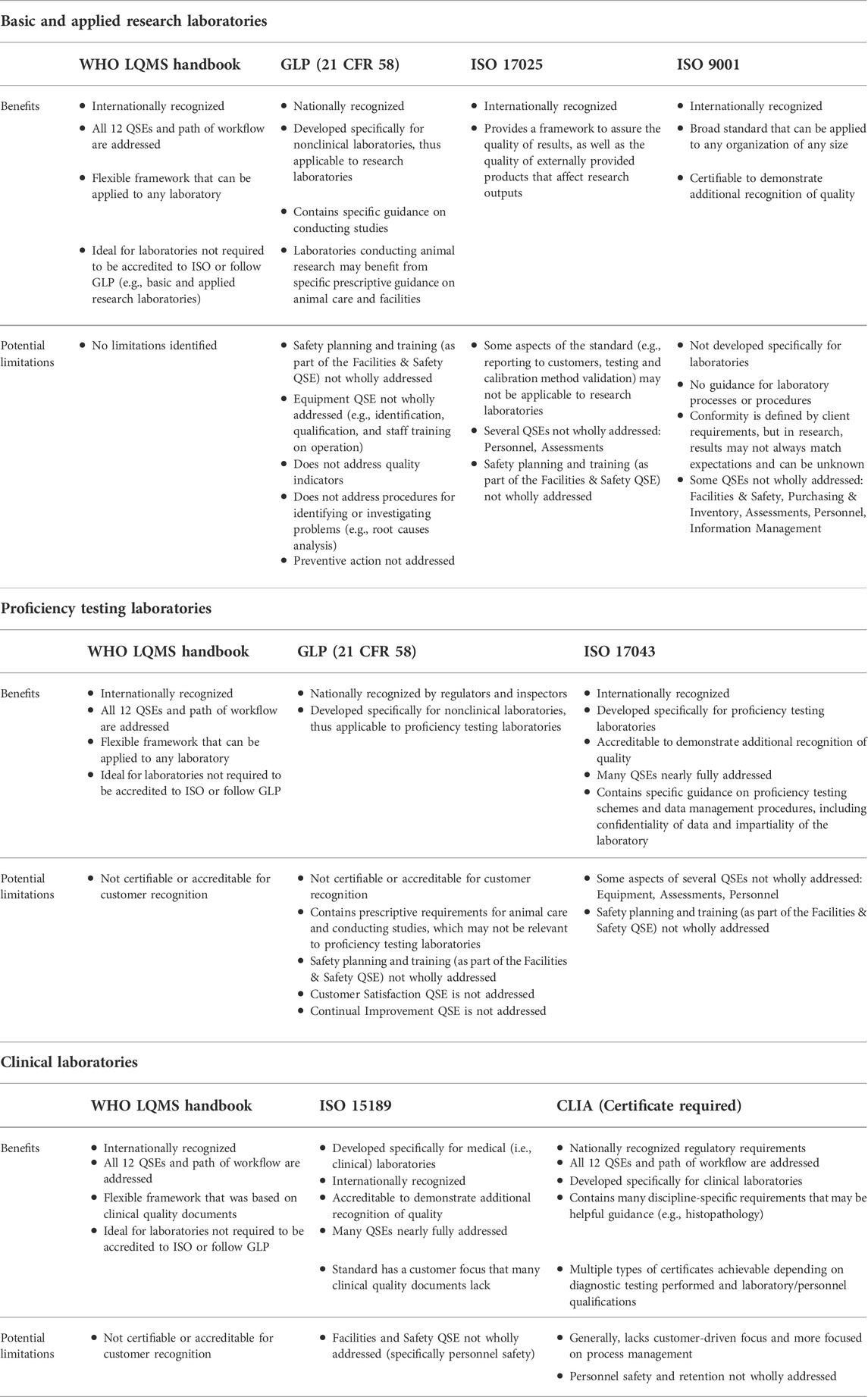
The quality management system (QMS) is increasingly a constant in laboratories of all types, lending support for better products and services coming out those labs. However, as technologies change and new challenges arise in research, medical, analytical, and R&D labs, the need for a more robust QMS becomes more obvious. In this 2022 article published in the journal
Frontiers in Bioengineering and Biotechnology, Pillai
et al. explore the varying frameworks of the QMS, which frameworks are best in which labs, and what implementation considerations should be made. After an informative introduction, the authors define the various laboratory types and match those types to the various QMS frameworks. They then provide a set of three critical recommendations for their implementation and use, concluding that while many frameworks are robust, the modern laboratory may need to incorporate more than one framework in order to fully achieve their quality goals. They add that "a holistic QMS framework complemented with guidance from multiple quality documents can benefit many laboratories that aim to address" the 12 quality system essentials (QSEs) of the Clinical and Laboratory Standards Institute (CLSI).
Posted on January 9, 2023
By LabLynx
Education, Tutorials and Classes

This is a UC San Diego course that is released on the edX platform. The 10-week course "that will introduce you to a collection of powerful, open-source, tools needed to analyze data and to conduct data science." The course is free to take, with a Verified Certificate of completion available for $350. (Note that the free Audit track expires November 19, 2022.) The course requires on average eight to 10 hours a week of effort. Access to the class began September 2022 and ends November 22, with the free audit track closing November 19, 2022. Another session will begin on December 6.
Posted on January 5, 2023
By Astrix Technology Group
Blog

Modern-day laboratories are experiencing record volumes of samples to process and test. Labs need to process these samples effectively and efficiently, but how is performance easily measured? Key Performance Indicators (KPIs) measure laboratory performance and help paint a picture of what is truly happening in the lab. KPIs can also provide insight into continuous improvement opportunities to increase laboratory productivity.
[Read More]
Posted on January 5, 2023
By LabLynx
Blog

Laboratories in the mining and metals industries are under considerable pressure to turn out results as quickly as possible, and keep a close eye on costs. Laboratory informatics applications can provide a central repository for test results and make coordination of distributed research and production operations easier. Laboratory managers need to recognize the benefits of informatics early in the development of laboratory operations so they can benefit from them. A cloud-based LIMS can assist the implementation process by providing access to ready-to-run systems that do not require installation or IT support.
[Read More]
Posted on January 5, 2023
By Agaram Technologies
Blog

Cell and gene therapy research is a rapidly growing field that holds great promise for treating a wide range of diseases and conditions. Laboratory informatics solutions, such as electronic lab notebooks (ELNs), laboratory information management systems (LIMS), and other digital tools, can play a crucial role in supporting this research by providing a secure and centralized platform for storing, executing, managing, and sharing experimental data and observations.
[Read More]
Posted on January 5, 2023
By Agaram Technologies
Blog
Agaram Technologies’ Logilab SDMS is a generic software application designed to handle scientific instrument data from any analytical instrument and can facilitate data management with access control. Logilab SDMS will perform scheduled data capture, cataloguing, archival and facilitate restoring data and has capabilities to extract data of interest from instrument output to be pushed to external systems like Electronic Note Book (ELN), Laboratory Information Management System (LIMS) and Enterprise Resources Planning (ERP).
[Read More]
Posted on January 5, 2023
By Corinne Jones
Newsletter
January 5, 2023 Laboratory Informatics Weekly Update Volume 21, Issue 1 In This Issue Featured Content 01/05/2023 - Optimize Lab Efficiency Using LabWare KPI DashboardsModern-day laboratories are experiencing record volumes of samples to process and test. Labs need to process these samples effectively and efficiently, but how is performance easily measured? Key Performance Indicators (KPIs) measure laboratory performance and help paint a picture of what is truly happening in the lab. KPIs can also provide insight into continuous improvement opportunities to increase laboratory productivity. [Read More] 01/05/2023 - Laboratory Informatics in the Mining and Metal IndustriesLaboratories in the mining…
Posted on January 3, 2023
By LabLynx
Journal articles
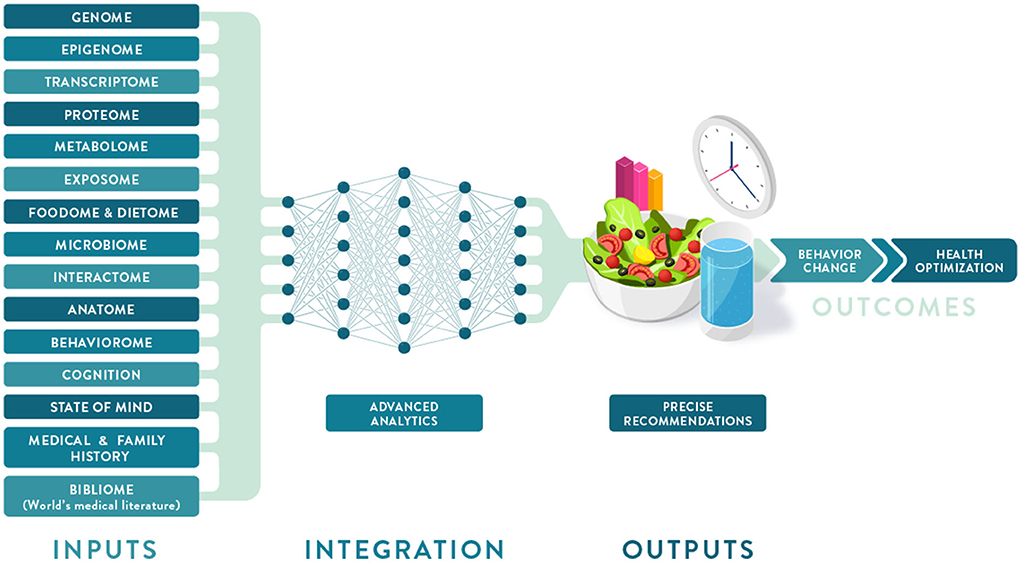
In this 2022 article published in the journal
Frontiers in Nutrition, Berciano
et al. discuss the topic of precision or personalized nutrition (PN) in the context of needing advancements in analytical and data management technologies in order to reach its full potential. After a brief introduction and discussion of the concept of PN, the authors examine the role of big data and data analysis in PN, particularly in regards to developing and optimizing personalized nutrition products and services. They then couch PN in terms of it having the potential to be "the future of healthcare," addressing topics such as phenotyping, metabolic methods, environmental factors, and the role of money and medical service insurers. After compiling a set of best practices and standards in PN and addressing the need for advocacy efforts towards PN, the authors conclude that while "PN should have an impact on both personal and public health ... [a]dvancing the science and the adoption of PN will require a significant investment in multidisciplinary collaborations that translate the fast-moving technological advances in omics, sensors, AI, and big data management and analytics into powerful and user-friendly tools."


