

A proposed method of sample preparation and homogenization of hemp for the molecular analysis of cannabinoids
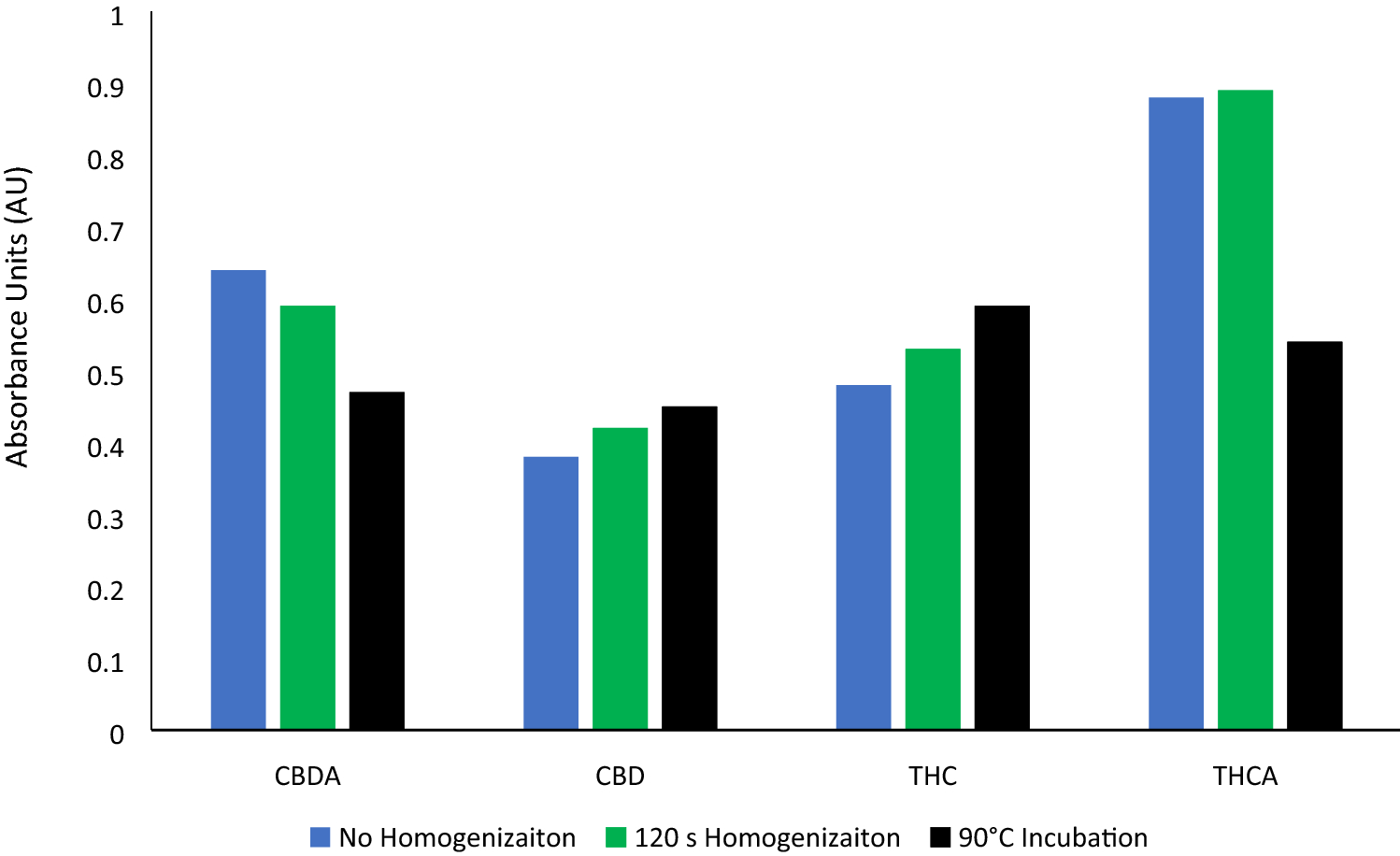 Analysis of Cannabis and its constituents is seemingly always in a state of improvement and revision as we continue to learn more about the plant. In this 2021 paper published in SN Applied Sciences, Morehouse et al. propose another improvement to cannabinoid molecule concentration determinations for the purposes of differentiating hemp from marijuana and other potency testing measures. In their paper, the authors turn to an “active grinding media" using a bead mill for homogenizing the plant and improving cannabinoid recovery for testing. After explaining their methodology, presenting their results, and discussing their findings, the authors conclude that their method results in "increased cannabinoid recovery when compared to larger particle size homogenates, and no alterations in the carboxylation profiles of CBDA or THCA during processing." This proves to be a boon to those who need "to maintain the highest of potency and purity standards when moving forward with their molecular analysis."
Digital Twins Catalyze the Lab’s Digital Revolution
 The Internet of Things (IoT) has provided the pivotal launch point for today’s Digital Revolution. The network of sensor enabled technology is connecting the universe in unimaginable ways from SMART personal devices to automated technology powered by artificial intelligence to gather information from the surrounding environment.
Laboratory Informatics Weekly Update – Volume 19, Issue 36
September 8, 2021 Laboratory Informatics Weekly Update Volume 19, Issue 36 In This Issue Featured Books Comprehensive Guide to Developing and Implementing a Cybersecurity Plan Featured Content 09/08/2021 - Digital Twins Catalyze the Lab’s Digital RevolutionThe Internet of Things (IoT) has provided the pivotal launch point for today’s Digital Revolution. The network of sensor enabled technology is connecting the universe in unimaginable ways from SMART personal devices to automated technology powered by artificial intelligence to gather information from the surrounding environment. [Read More] 09/07/2021 - What Do Standard Operating Procedures Have To Do With Your Lab Software?It might come…What Do Standard Operating Procedures Have To Do With Your Lab Software?
 It might come as a surprise to some laboratory managers, but a lab’s standard operating procedures (SOPs) offer software consultants key insights into the workings of your lab. They also describe how your lab software should behave—assuming they are up to date.
[Read More]
Cybersecurity and privacy risk assessment of point-of-care systems in healthcare: A use case approach
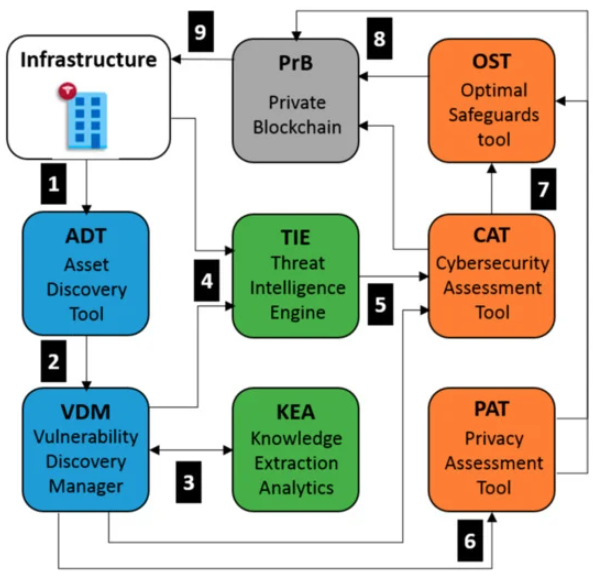 In this 2021 paper published in the journal Applied Sciences, Jofre et al. discuss the cybersecurity and privacy requirements associated with point-of-care (POC) and health information systems in the field of healthcare. In particular, the authors "propose a use-case approach to assess specifications of cybersecurity and privacy requirements of POC systems in a structured and self-contained form." After introducing the concept of cybersecurity in POC and other medical devices, they discuss their use case in the scope of the European Union's Secure and Private Health Data Exchange (CUREX) software platform for delivering better trust and security to applications in the healthcare domain. They provide in-depth details about their use case, its technical development, and its implementation in CUREX. They then discuss their results, concluding that as cybersecurity and privacy protection requirements continue to be implemented in healthcare, validated use cases such as their own will be vital for healthcare facilities adopting POC and related technologies, as they will further ensure "the highest quality for what is actually being delivered on the ground or showing promise in terms of developments in the pipeline."
A LabWare LIMS Developer’s Guide to Supporting an Existing System
 Supporting a LabWare LIMS implementation often can be a technically challenging affair, especially as a new person on-boarding with an existing LabWare project. If documentation for your LabWare system is lacking, figuring out the appropriate solution can be a difficult task.
[Read More]
Computer Systems Assurance – What are the Steps and How to Test?
 Computer Systems Assurance entails performing various levels of validation testing based on the software’s risk. The following steps should be followed when leveraging Computer Systems Assurance (CSA)...
4 Trends Shifting Quality Towards a Digital Transformation

Laboratory Informatics Weekly Update – Volume 19, Issue 35
September 1, 2021 Laboratory Informatics Weekly Update Volume 19, Issue 35 In This Issue Featured Books Past, Present, and Future of Cannabis Laboratory Testing and Regulation in the United States Featured Content 09/01/2021 - A LabWare LIMS Developer’s Guide to Supporting an Existing SystemSupporting a LabWare LIMS implementation often can be a technically challenging affair, especially as a new person on-boarding with an existing LabWare project. If documentation for your LabWare system is lacking, figuring out the appropriate solution can be a difficult task. [Read More] 09/01/2021 - Computer Systems Assurance – What are the Steps and How to Test? Computer…Public health informatics, human factors, and the end-users
In this brief commentary article published in Health Services Research and Managerial Epidemiology, Matthews and Proctor of the University of Central Florida argue that simply building out public health informatics infrastructure isn't enough to ensure better public health data and improved health outcomes in the populace. The duo notes that when considering the build out of such technologies, it's vital the implementing organization(s) ask "who are we building this product for, and do we have the right information to back up our theories on implementation and use?” Improved technology skills within the public health workforce aren't enough, they argue, and important human factors research is being neglected when planning for systems implementations. After discussing the importance of health factors research in public health practice and what it should look like, they conclude with four critical recommendations for new and existing public health informatics implementations, including stakeholder collaboration, theoretically informed and validated data collection, proper documentation, and malleable but well-informed technology requirements statements for the future.No Code Development Platform Approaches to LIMS Configuration
 In previous blogs we have looked at the differences between Configuration and Customization. In this blog we discuss Autoscribe Informatics’ approach to configuration using a No-Code Development Platform (NCDP), and why NCDP provides advantages over traditional approaches to LIMS configuration.
Quality 4.0 & Digitization – Key Consideration for the Life Sciences Industry
 The advances in technology in the past decade have resulted in a new industrial revolution. This is frequently referred to as the fourth industrial revolution or “Industry 4.0.” The revolution is being driven by the exponential growth of disruptive technologies and...
[Read More]





