

2019 novel coronavirus disease (COVID-19): Paving the road for rapid detection and point-of-care diagnostics
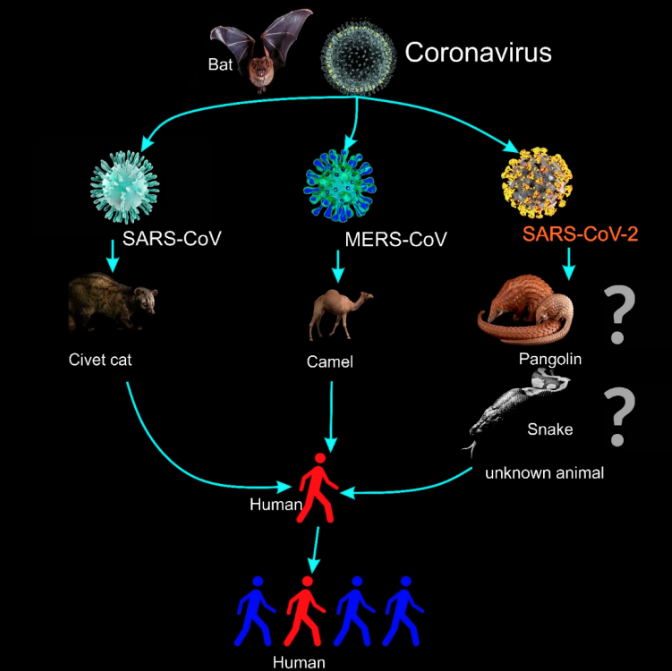 In this March 2020 journal article published in the journal Micromachines, Nguyen, Bang, and Wolff give their professional take on point-of-care diagnostics for combating the COVID-19 epidemic. In particular, the authors discuss the loop-mediated isothermal amplification (LAMP) nucleic acid amplification technique and its potential to make COVID-19 testing faster, more portable, more flexible, more stable, and more sensitive. After discussing the then-recent events (information is changing rapidly), the authors compare real-time reverse transcription polymerase chain reaction (rRT-PCR) with LAMP methods and discuss other important factors affecting society because of the pandemic.
COVID-19 Testing for the Physician Office Laboratory (POL)

Like it or not, physician or not, the current pandemic is already affecting you in some ways or others. And those physicians on the front line seeing patients cannot avoid being involved. If you have testing equipment of your own, at least you may be able to recoup some of the costs of seeing potential COVID-19 patients, handling specimens and meeting reporting requirements.
[Read More]
Laboratory Informatics Weekly Update – Volume 18, Issue 13
April 1, 2020 Laboratory Informatics Weekly Update Volume 18, Issue 13 In This Issue Featured Content 03/31/2020 - Build A Dashboard To Track The Spread of Coronavirus Using Dash: Real-time view of globally confirmed, recovered and deaths coronavirus (COVID-19) casesLast month, I published four posts to share with you my experience in using matplotlib. Benefit from its full control of elements on a given graph, matplotlib is deemed as a fundamental python library for data visualisation and used by many other libraries (e.g. seaborn and pandas) as plotting module. This is also why I think learning matplotlib is an…Build A Dashboard To Track The Spread of Coronavirus Using Dash: Real-time view of globally confirmed, recovered and deaths coronavirus (COVID-19) cases

Last month, I published four posts to share with you my experience in using matplotlib. Benefit from its full control of elements on a given graph, matplotlib is deemed as a fundamental python library for data visualisation and used by many other libraries (e.g. seaborn and pandas) as plotting module. This is also why I think learning matplotlib is an essential part for being a practitioner in data science, which helps to build up in-depth understanding about logic behind data visualisation tools.
[Read More]
How biotechs are racing to develop COVID-19 tests
 The novel SARS-CoV-2 virus and the disease it causes (COVID-19) are sweeping the world. The US’s ability to rapidly and accurately test patients, not to mention their health care providers, is critical to containing the virus. That said, it has proved to be one of the biggest challenges for our country in recent weeks.
Much has already been written about what initially went wrong with the coronavirus testing in the US and why the US government and CDC lagged behind other developed nations in deploying diagnostics. This article will instead focus on the remarkable companies, institutions, and clinical labs that are rising to the challenge by working around the clock to produce high volumes of accurate and reliable tests.
In addition to the COVID-19 tests that are already in use, companies are prototyping groundbreaking new diagnostics. These new tests have the potential to revolutionize COVID-19 detection now and chart the course for the future of infectious disease diagnostics.
[Read More]
Pittcon 2020 – Covid-19 Changes Everything
 The Pittcon 2020 roundup for those that didn't make there.
Pittcon 2020, the annual laboratory science conference, had a very different feel to it this year. If the show had been held just two weeks later, with much of the USA and Europe in lock-down, it would not had gone ahead. Although the USA had not at that stage seen many cases of Coronavirus this was the word on everyone’s lips as they walked the exhibition hall and conference. Several booths were left empty with signs saying the exhibitor was “Absent due to travel restrictions”. Certainly the most popular thing on the Autoscribe stand were individual packets of antimicrobial hand wipes which we had bought along to give-away.
[Read More]
A place to share COVID-19 resources with the scientific community
In the midst of the COVID-19 outbreak, the world is looking to the scientific community for help. We know that scientists everywhere are mobilizing to characterize the virus, to replicate and study it in lab, to perform testing and analyze results, to develop next-gen diagnostics, and to quickly develop vaccines and antiviral treatments.
To support these efforts, we have set up a COVID-19 resources webpage that points to sequences, protocols, and other work that has been shared by scientists for public use. Our hope is that these resources will be beneficial to the greater scientific community, especially to scientists who are actively addressing this challenge.
We are accepting submissions from scientists and will be updating the page regularly. You may share data in Benchling — protocols, sequences, experimental results. You may also share an existing resource with us — a pre-print, a published protocol. Please find instructions for contributing below.
[Read More]
Tips for Using Pipeline Pilot as an Integration Platform
 One of the most common integration platforms used in laboratory informatics is Pipeline Pilot from BIOVIA. Whether part of a large enterprise software implementation or a project to pass data between two applications, integration projects always present challenges. In the laboratory environment, achieving integration goes beyond merely exchanging data between applications. Laboratory equipment/automation, specialized data sets, and validation complicate an already difficult task and create unique challenges. In addition to the goals of streamlining business operations, eliminating data silos and minimizing redundant data entry, integration also has to be done in such a way that supports regulatory compliance and promotes data integrity.
[Read More]
QLIMS for Cannabis Companies – Part 3 of 3: Medicinal Cannabis Manufacturing

Medicinal Cannabis Manufacturing
[Read More]
Point-of-care RNA-based diagnostic device for COVID-19
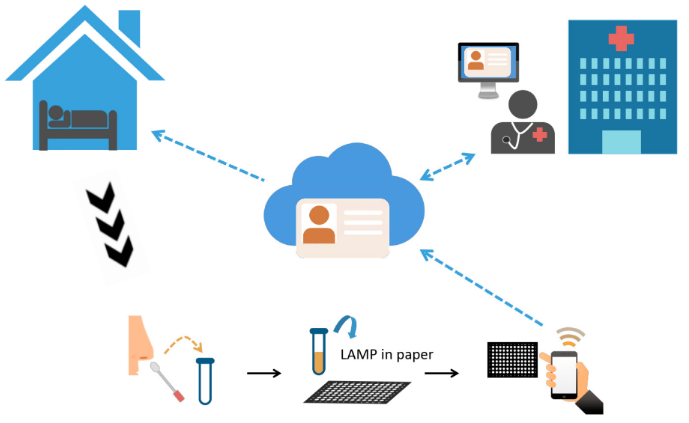 In this brief editorial article published in the journal Diagnostics, Tiawanese researchers Yang et al. provide their insights into a more convenient at-home point-of-care (POC) testing method for the COVID-19 illness. Noting the urgency of the associated pandemic and the various costs associated with traditional testing methodologies such as lateral flow immunoassays and molecular-based assays, the authors suggest the blending of several tools: a paper-based result and common mobile devices. A patient at home could take a nasal swab and use a POC device to return a colorimetric result, which could then be captured by mobile phone and rapidly sent to a clinician for analysis. They conclude that such a method could "provide new insights into designing POC COVID-19 diagnostics and ultimately improve the health care system to combat this and similar diseases."
Laboratory Informatics Weekly Update – Volume 18, Issue 12
March 25, 2020 Laboratory Informatics Weekly Update Volume 18, Issue 12 In This Issue Blogs LIMS and COVID-19 Testing & ReportingKnown variously as coronavirus, COVID-19, novel coronavirus, 2019-nCoV and SARS-CoV-2, the current global pandemic has been reported in 191 Countries and Territories around the world as of March 23, 2020, with over 350,000 confirmed cases and more than 15,000 deaths. These figures are being tracked in real time by the Center for Systems Science and Engineering (CSSE) at Johns Hopkins University. [Read More] Disaster Management for the LabDisaster management is, in a nutshell, about preparedness. Of course, the primary…Policy for diagnostic tests for Coronavirus Disease-2019 during the public health emergency
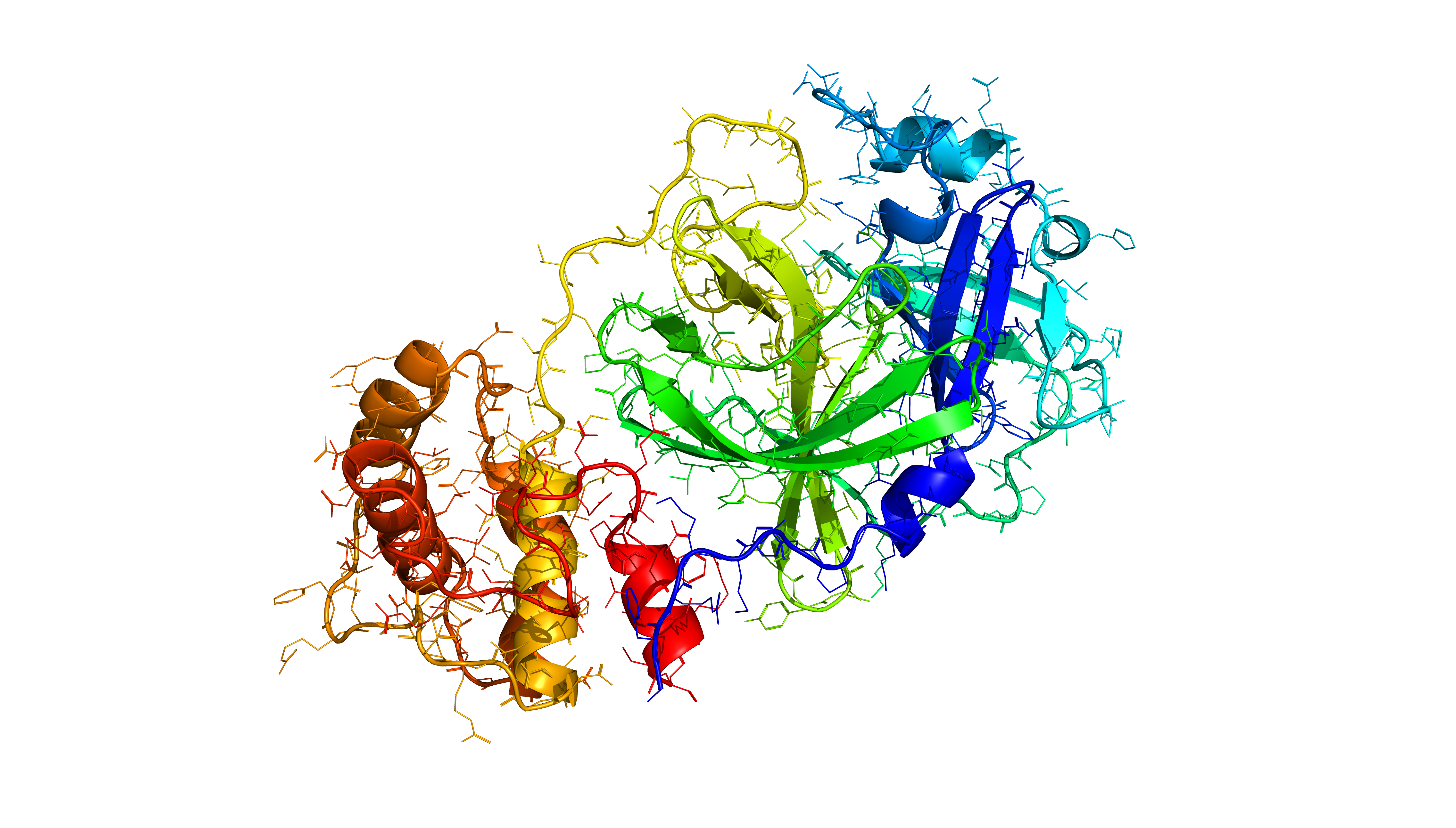 This is the third of a series of interim guidance documents, this one originating from the U.S. Food and Drug Administration (FDA). Issued on March 16, this guidance document provides insight into FDA policy for the development, validation, and use of diagnostic tests for Coronavirus Disease-2019 (COVID-19), particularly those tests issued an Emergency Use Authorization (EUA). This guidance applies to not only manufacturers developing and distributing test kits but also CLIA laboratories cleared for high-complexity testing that develop and validate their own tests. The FDA provides background on the topic and then discusses the policy in detail, before closing with its validation study recommendations.





