Posted on April 21, 2020
By Astrix Technology Group
Blog

The
coronavirus pandemic has now reached nearly every country in the world, with cases being confirmed in more than 200 countries and territories.
As of April 10th, 2020, there have been over 1.6 million cases reported globally. The actual numbers of cases are believed to be much higher due to testing shortages, unreported cases, and suspicions that some countries have not been accurately reporting the scope of their outbreaks.
With COVID-19 continuing to spread across the globe, many pharmaceutical and biotechnology companies are racing to develop vaccines and effective therapeutics to address the pandemic. As the premier laboratory informatics service provider for the life science industry, Astrix Technology Group is proud to support many of the companies on the front lines in this effort. In this blog, we will highlight some of the groundbreaking work being done right now by our customers to combat COVID-19.
Posted on April 21, 2020
By Corinne Jones
Newsletter
April 21, 2020 Laboratory Informatics Weekly Update Volume 18, Issue 16 In This Issue Featured Books The Complete Guide to LIMS and Laboratory Informatics Featured Content 04/21/2020 - The Race to Develop Treatments and Vaccines for COVID-19The coronavirus pandemic has now reached nearly every country in the world, with cases being confirmed in more than 200 countries and territories. As of April 10th, 2020, there have been over 1.6 million cases reported globally. The actual numbers of cases are believed to be much higher due to testing shortages, unreported cases, and suspicions that some countries have not been accurately reporting the scope…
Posted on April 20, 2020
By Shawn Douglas
Journal articles
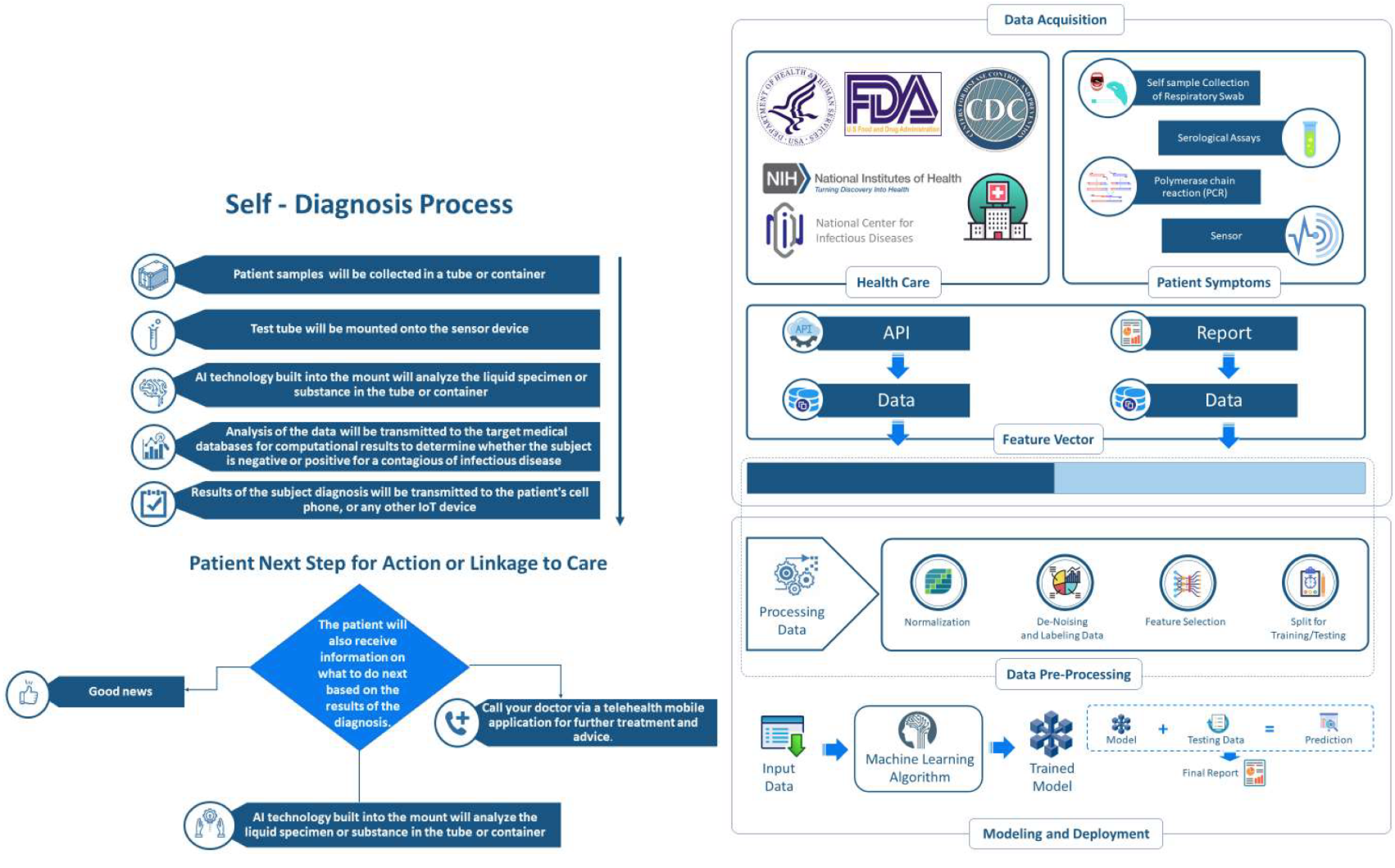
In this brief editorial in the journal
Diagnostics, Mashamba-Thompson
et al. state their case for a potentially ideal solution to COVID-19 testing in resource-poor communities: using mobile health (mHealth) solutions in conjunction with a blockchain and AI-driven data acquisition and transfer system. They add that the "AI component of this technology enables powerful data collection (patient information, geographic location of the patient, and test results), security, analysis, and curation of disparate and clinical data sets from federated blockchain platforms to derive triangulated data at very high degrees of confidence and speed. " Unfortunately, what isn't clear in their argument is how the self-testing step would actually work, let alone how the system would realistically be implemented in resource-poor settings. One could argue, however, despite the relatively few details, the sharing of ideas on how to address COVID-19 testing in various environments still has value.
Posted on April 14, 2020
By Benchling
Blog

The novel coronavirus has had sweeping effects on the world at large since its emergence last winter, and it will no doubt continue to affect and change the world we live in. As we do our part to shelter-in-place and practice social distancing, there are leagues of scientists and researchers working around the clock on therapeutics to treat patients infected with SARS-CoV 2.
This article is the second in a three-part series covering the response of biotech companies to the COVID-19 crisis. The first article in this series is: How biotechs are racing to develop COVID-19 tests.
Posted on April 14, 2020
By Apollo LIMS
Blog

We are living in unprecedented times right now with the recent outbreak of SAR-CoV-2 and the global emergence of the COVID-19 pandemic. And now, as never before, our nation’s attention is focused on laboratories and the diagnostic industry at large.
The quality of diagnostic testing during this time of international crisis will be talked about for years to come. Fortunately, many companies have joined the fight to help facilitate COVID-19 testing, as laboratories quickly ramp up to add this to their testing menu. Yet, while many of the news headlines focus on instrument manufacturers and new testing techniques, one element that is often overlooked is the critical role of a laboratory’s LIMS.
Posted on April 14, 2020
By Benchling
Blog
The novel SARS-CoV-2 virus and the disease it causes (COVID-19) are sweeping the world. The US’s ability to rapidly and accurately test patients, not to mention their health care providers, is critical to containing the virus. That said, it has proved to be one of the biggest challenges for our country in recent weeks.
This article is the first in a three-part series covering the response of biotech companies to the COVID-19 crisis. The second article in this series is: How biotechs are racing to develop COVID-19 treatments.
Posted on April 14, 2020
By Apollo LIMS
Blog
When it comes to managing a
clinical laboratory service, getting procedures done on time and accurately is only part of the total equation. After health records have been acquired, tests have been run, and results compiled, someone has to pay for the work performed. In the modern health care landscape, executing billing practices correctly might be more time-consuming and labor-intensive than any other part of the job. But when laboratories can easily interface with their billing systems directly from their laboratory information management system, it’s possible to gain greater efficiency and incredible cost savings.
Posted on April 14, 2020
By Corinne Jones
Newsletter
April 14, 2020 Laboratory Informatics Weekly Update Volume 18, Issue 15 In This Issue Featured Content 04/14/2020 - How biotechs are racing to develop COVID-19 treatments - Part 2 of 3The novel coronavirus has had sweeping effects on the world at large since its emergence last winter, and it will no doubt continue to affect and change the world we live in. As we do our part to shelter-in-place and practice social distancing, there are leagues of scientists and researchers working around the clock on therapeutics to treat patients infected with SARS-CoV 2. This article is the second in…
Posted on April 13, 2020
By Shawn Douglas
Journal articles
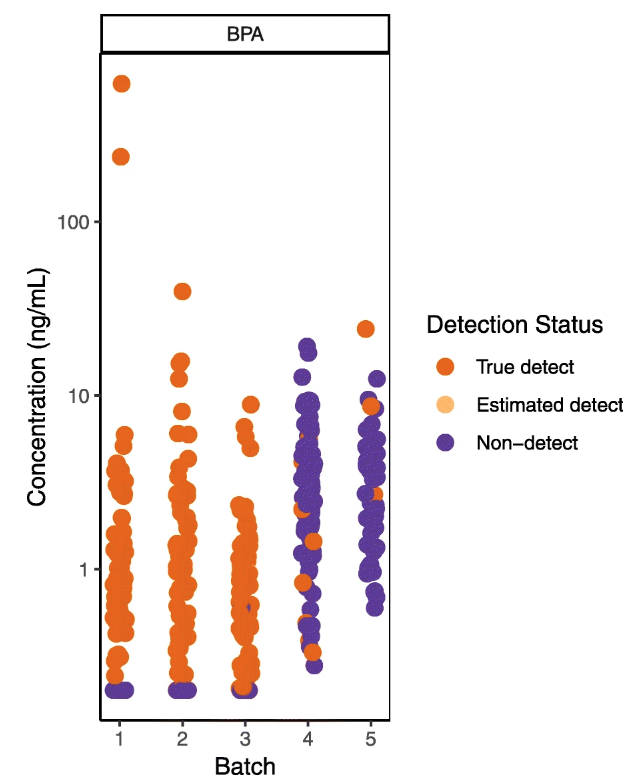
In this 2019 paper published in
Environmental Health, Udesky
et al. share their organization's guidance towards addressing quality in environmental exposure testing and data. In particular, the authors note the importance of reporting quality control data along with chemical measurements in published research, stating that its lacking leaves "readers uncertain about the level of confidence in the reported data." Their objective was to provide full guidance on the implementation, interpretation, and reporting of QC data. After explaining their approach to study design, study implementation, and data interpretation, the authors conclude that their guidance, visualizations, and supplementary content provide "a useful set of tools for getting the best information from valuable environmental exposure datasets, and enabling valid comparison and synthesis of exposure data across studies."
Posted on April 7, 2020
By Astrix Technology Group
Blog
The National Institutes of Health (NIH) is our nation’s medical research agency and strives to make scientific discoveries that improve health and save lives. Founded in 1870, the NIH conducts its own scientific research through its Intramural Research Program (IRP), which supports approximately 1,200 principal investigators and more than 4,000 postdoctoral fellows conducting basic, translational and clinical research. In this blog, we will highlight recent ground-breaking NIH research.
Posted on April 7, 2020
By CSols Inc.
Blog

You can’t escape the knowledge that the world is currently in the midst of a global pandemic of COVID-19, the disease caused by the novel SARS-CoV-2 strain of coronavirus. Tracking and slowing the spread of disease have been on everyone’s mind for much of the year. We know that this will be difficult to do without rapid and accurate testing, which has been in short supply in the United States. The U.S. must produce or acquire accurate tests, quickly and in high volumes, which is why many are pushing to loosen regulations to get more tests into the hands of health care professionals. The laboratory informatics experts at CSols have a unique insight into laboratory testing and data analysis, and we have been discussing—remotely, of course—how our experience with successful LIMS implementations can help experts predict and prevent future pandemics.
Posted on April 7, 2020
By Corinne Jones
Newsletter
April 7, 2020 Laboratory Informatics Weekly Update Volume 18, Issue 14 In This Issue Featured Content 04/07/2020 - Thermo Fisher Scientific Launches New AcroMetrix Coronavirus 2019 (COVID-19) RNA Control (RUO)hermo Fisher Scientific announces the availability of the Thermo Scientific AcroMetrix Coronavirus 2019 (COVID-19) RNA Control, its latest quality control product to monitor and validate COVID-19 molecular diagnostic tests. 04/07/2020 - National Institutes of Health (NIH) Research UpdatesThe National Institutes of Health (NIH) is our nation’s medical research agency and strives to make scientific discoveries that improve health and save lives. Founded in 1870, the NIH conducts its own scientific…





