Live Webinar: Role of LIMS in Overcoming Biorepository Operational Data Management Challenges
CloudLIMS is pleased to host a complimentary live webinar titled “Role of LIMS in Overcoming Biorepository Operational Data Management Challenges” on August 13, 2019, at 5 P.M. GMT (1 P.M. EDT). The webinar will be presented by Dr. Steven Haynes. To read the complete blog, please visit: https://cloudlims.com/blog/webinar-role-of-lims-in-overcoming-biorepository-operational-data-management-challenges.htmlLaboratory Informatics Weekly Update – Volume 17, Issue 30
July 24, 2019 Laboratory Informatics Weekly Update Volume 17, Issue 30 In This Issue Upcoming Webinars 08/06/2019 - Webinar: How The Cloud Can Accelerate HITRUST Certification09/12/2019 - Astrix Webinar – Digital Data Strategy for the Lab Featured Books The Complete Guide to LIMS & Laboratory Informatics Journal Articles Heart failure and healthcare informaticsThis brief perspective article by Anwar et al. of the BHF Centre for Cardiovascular Science at University of Edinburgh examines the potential for using health informatics to improve heart failure outcomes in clinical settings. Noting "decompensated heart failure accounts for up to five percent of all acute…Heart failure and healthcare informatics
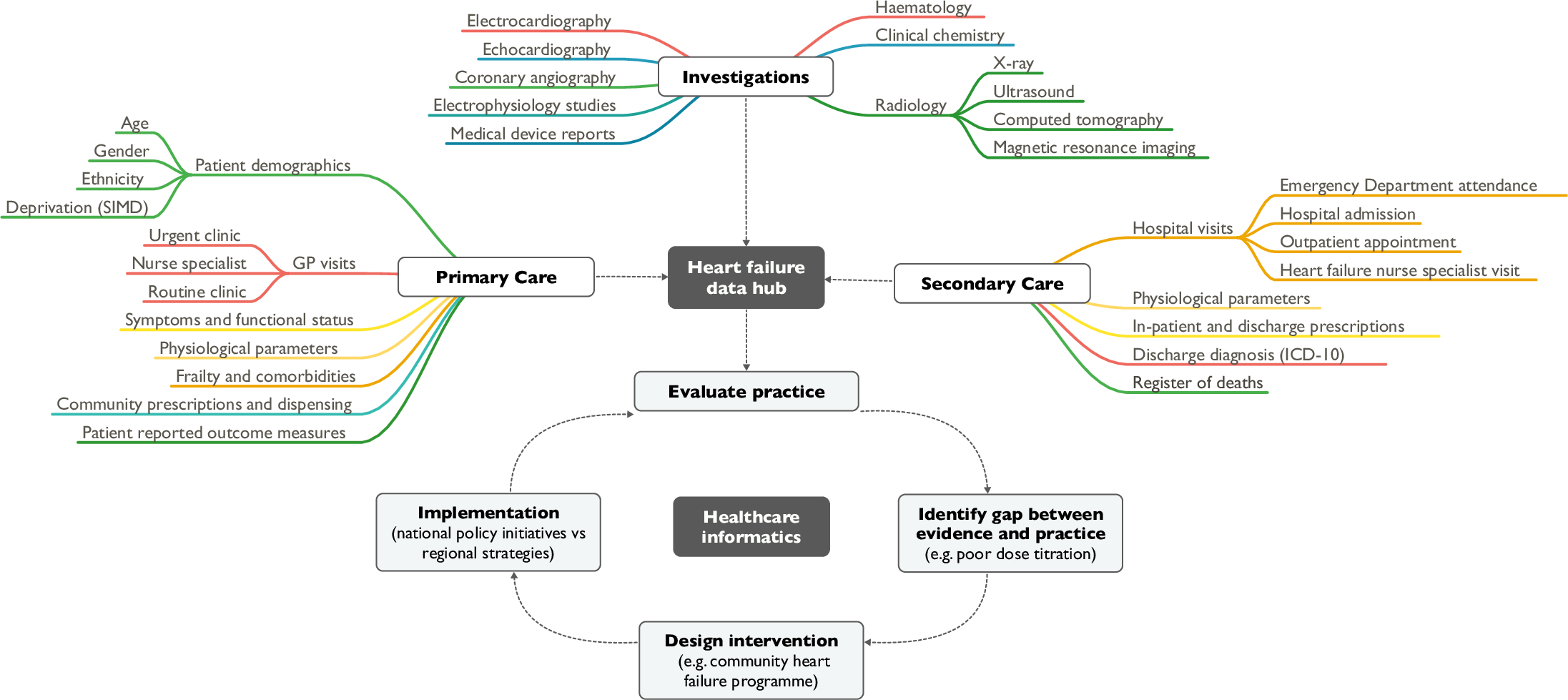 This brief perspective article by Anwar et al. of the BHF Centre for Cardiovascular Science at University of Edinburgh examines the potential for using health informatics to improve heart failure outcomes in clinical settings. Noting "decompensated heart failure accounts for up to five percent of all acute unscheduled hospital admissions and has the longest length of stay of any cardiac condition," the authors remind readers that despite significant evidence-based practices backed by science, there continues to be a disconnect between those practices and actual clinical practice. They then turn to a 2019 cohort study of nearly 100,000 U.K patients to provide hints at how collecting, managing, and effectively using heart failure data in contemporary clinical practice can be beneficial to many. The authors conclude that "we need to collate healthcare data from across both primary and secondary care settings in real time and use robust methodology to evaluate major changes in clinical practice or policy decisions" and attempt to show a visual of what such a platform would look like.
Benefits and Best Practices for LIMS Implementation in Cannabis Testing Labs
 Cannabis (aka hemp or marijuana) is a wind-pollinating genus of flowering plants in the family Cannabaceae. This complex plant contains a group of chemicals known as cannabinoids, many of which have shown significant biological activity. Two cannabinoids in particular, cannabidiol (CBD) and delta-9-tetrahydrocannabinol (THC), have gained much recognition for their mental and physical effects when consumed. To date, over 100 different cannabinoids have been isolated from cannabis plants, and these compounds are generating significant interest in the pharmaceutical industry for potential drug and biologics production. Cannabis Testing Labs must implement the right processes to keep pace with regulation and innovation.
[Read More...]
Best Practices for Implementing Informatics Systems for R&D Collaborations
In today’s global economy, scientific organizations in many different industries are turning to collaboration with external partners to fuel their R&D pipelines with flexible networks of researchers. These external collaborations can take many forms – research institutes, industry and academic partners, contract research organizations (CROs), contract development and manufacturing organizations (CDMOs), external testing laboratories, consortia, etc.
Many organizations combine numerous partners in diverse ways across multiple research projects. Even in simpler models, any collaboration with an external partner is typically not static, but evolves over time. Therefore, sponsoring organizations are often changing the business processes around the collaboration frequently and rapidly.
[Read More...]
Ease Concerns About DSHEA Updates in Your Nutraceutical Lab With a LIMS
 The U.S. Food and Drug Administration (FDA)recently announced plans to update theDietary Supplement Health and Education Act of 1994 (DSHEA). The potential DSHEA changes have prompted concerns about the business impacts of additional regulatory rigor. To be ahead of the competition when changes occur,nutraceutical manufacturers should consider implementing aLaboratory Information Management System (LIMS),which can addressmany of the concerns.Also, consider therisks related to notimplementing a LIMS: analyze the monetary, time, and opportunity costs of maintaining your status quo. Compliance is often easier and less expensive with a LIMS.Before we get in to the specifics, let’s look at the background of these regulatory changes.
[Read More… ]
Laboratory Informatics Weekly Update – Volume 17, Issue 29
July 17, 2019 Laboratory Informatics Weekly Update Volume 17, Issue 29 In This Issue Upcoming Webinars 07/24/2019 - A Structured Approach to Implementing a LIMS07/24/2019 - Webinar: Managing Change in the Lab – The People Side of Data Management Innovation07/24/2019 - Webinar: Project Leadership: The Key to Excellence in Laboratory Informatics Featured Books CannaQA LiMS Catalog Journal Articles Cyberbiosecurity for biopharmaceutical productsCybersecurity for biopharmaceutical manufacturing? The "rapid pace of innovation dictates that it is not too early to consider the cyberbiosecurity implications" of the potential dangers that can arise in the industry, argue Mantle et al. in this 2019…Cyberbiosecurity for biopharmaceutical products
Cybersecurity for biopharmaceutical manufacturing? The "rapid pace of innovation dictates that it is not too early to consider the cyberbiosecurity implications" of the potential dangers that can arise in the industry, argue Mantle et al. in this 2019 paper published in Frontiers in Bioengineering and Biotechnology. From compromised master cell banks to intentional corruption of " the design, reading, and writing of DNA sequences to produce pathogenic, self-replicating entities," the authors demonstrate worst case scenarios and practical considerations that scientists should be considering when incorporating various forms of automation into biopharmaceutical manufacturing. After presenting their scenarios and considerations, they conclude that "current best practices from industrial manufacturing and state-of-the-art cybersecurity could serve as a starting point to safeguard and mitigate against cyberbiosecurity threats to biomanufacturing."Laboratory Informatics Weekly Update – Volume 17, Issue 28
July 10, 2019 Laboratory Informatics Weekly Update Volume 17, Issue 28 In This Issue Upcoming Webinars 07/15/2019 - A Structured Approach to Implementing a LIMS07/24/2019 - Webinar: Managing Change in the Lab – The People Side of Data Management Innovation07/24/2019 - Webinar: Project Leadership: The Key to Excellence in Laboratory Informatics Featured Books CannaQA Catalog and Price List Journal Articles A bibliometric analysis of Cannabis publications: Six decades of research and a gap on studies with the plantWhat are the trends and glaring holes in scientific publications regarding the Cannabis plant? We know some parts of the world have…LIMS Validation Plan
Many companies purchasing a LIMS in a regulated industry realize Computer System Validation (CSV, or, hereafter, “validation”) will be a major consideration. But many are so consumed with requirements gathering, vendor selection, and negotiation they sometimes set aside, if not overlook, the looming validation issues awaiting them.
To read the complete blog, please visit: https://cloudlims.com/blog/lims-validation-plan.html
How QLIMS supports the medicinal cannabis process

How QLIMS supports the medicinal cannabis process
As the cannabis testing industry grows more and more, so does the need for greater efficiency relating to results, reports, regulatory compliance and the many other aspects of data management. Here we will explain to you how our solution, QLIMS, supports companies involved in each part of the chain and the items that medicinal cannabis companies should consider when selecting a LIMS and software for quality control. [Read More]A bibliometric analysis of Cannabis publications: Six decades of research and a gap on studies with the plant
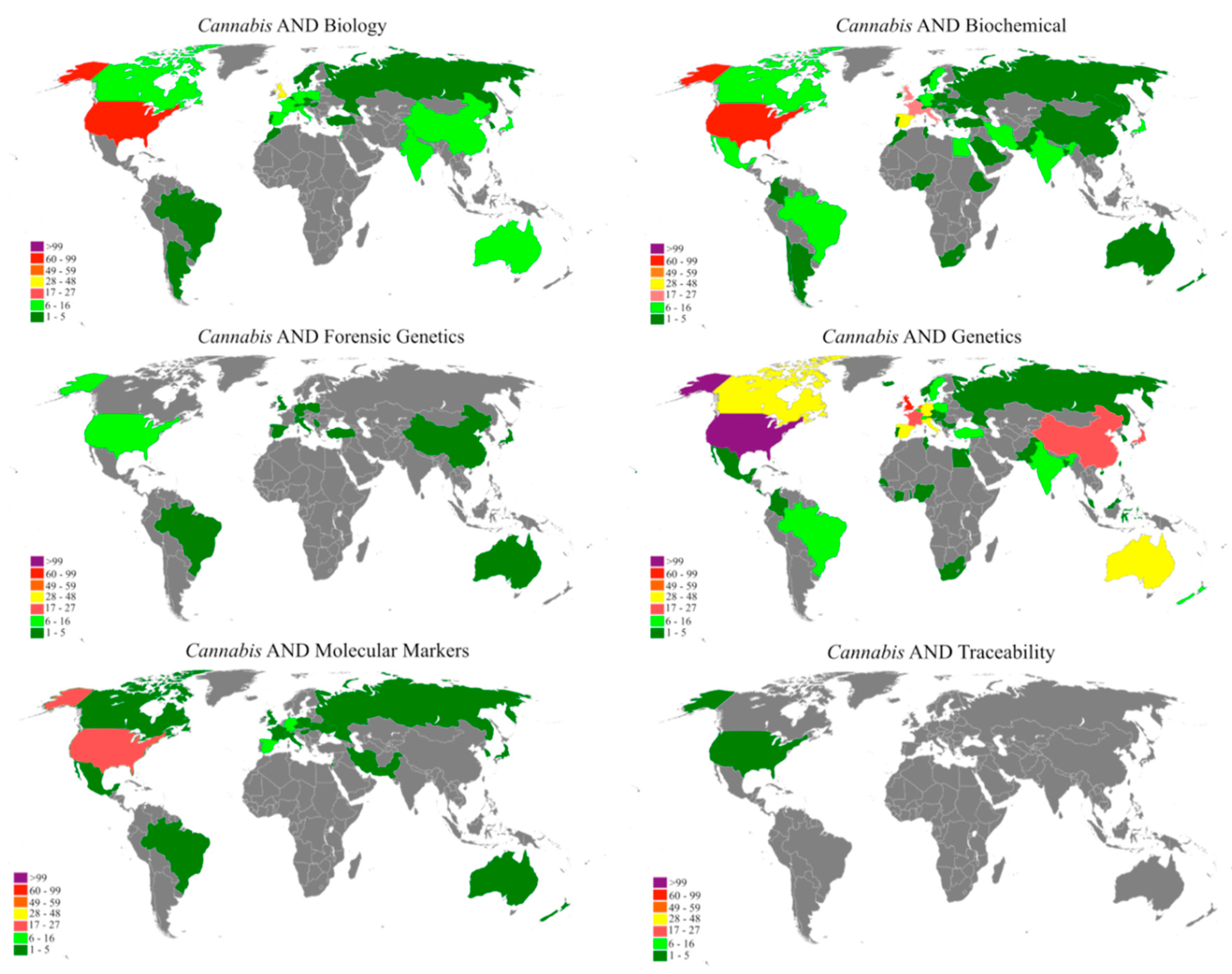 What are the trends and glaring holes in scientific publications regarding the Cannabis plant? We know some parts of the world have been more proactive in said research, often thanks to slightly more lax regulations than other countries. But where is the research coming from, and what still must be addressed? Matielo et al. tested this concept in a bibliometric analysis of roughly six decades of publications. They found an increase in the relational study of cannabis and its affects on human genetics but a significant dearth of publications on the genetics of the plant itself. Only since about 2005 has genetics studies of the plant picked up. The authors found several other patterns in their analysis, included in the paper's "Discussion" section.