Conforming to TGO 93 Standards with QLIMS
 The Narcotic Drugs Amendment Act 2016 saw the rise of the medical cannabis industry in Australia, as it permitted the research, cultivation and production of medical cannabis and related products. Following this, the Therapeutic Goods Administration (TGA) had a new task on their hands, regulating the production/manufacturing of what was once a Schedule 9 (S9) drug.
As such, the TGA issued a new standard to specify the minimum quality requirements that unapproved medicinal cannabis products imported into and supplied/manufactured in Australia must adhere/conform to, this came be to be known as TGO 93 (Standard for Medicinal Cannabis).
TGO 93 stipulated that any company within Australia looking to import/export/manufacture Medicinal Cannabis products had to adhere to the standard and ensure that the active ingredients and cannabinoids present in the final product are strictly derived from the cannabis plant.
As TGO 93 involves recording, tracking and reporting on a range of macroscopic and microscopic examinations as well as chromatographic procedures, handling the data via a paper-based method becomes quite cumbersome and has no reportable audit trail.
[READ MORE]
Enhancing Data Integrity in Clinical Research with Blockchain Technology
 Verification of data integrity is a critical part of the FDA’s mission to ensure the safety, efficacy and quality of human and veterinary drugs, biological products, and medical devices. As these products must undergo extensive testing before being approved for the public, gathering high-quality, reliable and statistically sound data is an important goal for all clinical research. There are, however, converging trends challenging the ability of legacy data management systems to establish and sustain data integrity throughout all phases of clinical studies...
[READ MORE]
Laboratory Informatics Weekly Update – Volume 17, Issue 33
August 14, 2019 Laboratory Informatics Weekly Update Volume 17, Issue 33 In This Issue Upcoming Webinars 08/21/2019 - Webinar: STARLIMS ELN: Taking your lab to the next level09/10/2019 - Webinar: What's new in laboratory informatics09/12/2019 - Astrix Webinar – Digital Data Strategy for the Lab Featured Books Laboratory Information Management for Cannabis Quality Assurance Journal Articles Next steps for access to safe, secure DNA synthesisWhere do technology, security, and the DNA synthesis market intersect? Most notably is the need for minimizing biological risks and maximizing the safety and security of DNA synthesis practices around the world. Diggans and Leproust…Next steps for access to safe, secure DNA synthesis
Where do technology, security, and the DNA synthesis market intersect? Most notably is the need for minimizing biological risks and maximizing the safety and security of DNA synthesis practices around the world. Diggans and Leproust of Twist Bioscience highlight this major intersection and discuss what they and the International Gene Synthesis Consortium (IGSC) view as the most important aspects of DNA synthesis to address in order to mitigate risks and improve global safety and security. Using the IGSC's Harmonized Screening Protocol as a base, the authors provide background on the subject and address current industry best practices and how they could be improved using cybersecurity and strong software testing methodologies. They also address how research funding priorities should be addressed to build and maintain databases, reduce risks, and "democratize access to sequence screening." The authors conclude that a multi-faceted approach of practices such as "red teaming," stronger investments in screening—particularly with oligonucleotide pools—and stronger efforts to "teach and promote the evaluation of the security implications of new synthetic biology techniques or materials" to practicing synthetic biologists will yield positive results for the future of DNA synthesis.Toxicology Billing Today – What Labs Should Verify About Billing Services.
An RCM CEO’s Reflections on Toxicology Lab Billing
For Release: July 29, 2019, Springfield, Massachusetts
Just a few short years ago, the clinical toxicology laboratory space was filled with startup laboratories often managed by folks with little to no experience in the field. Such labs often did not have the years of experience and highly efficient processes of larger, more sophisticated laboratories. And their billing and payment collections processes were lacking as well.
[Read More]
Laboratory Informatics Weekly Update – Volume 17, Issue 32
August 7, 2019 Laboratory Informatics Weekly Update Volume 17, Issue 32 In This Issue Upcoming Webinars 08/21/2019 - Webinar: STARLIMS ELN: Taking your lab to the next level09/12/2019 - Astrix Webinar – Digital Data Strategy for the Lab Featured Books The Comprehensive Guide to Physician Office Laboratory Setup and Operation Journal Articles Japan Aerospace Exploration Agency’s public-health monitoring and analysis platform: A satellite-derived environmental information system supporting epidemiological studyIn this 2019 paper published in Geospatial Health, Oyashi et al. present details on the Japan Aerospace Exploration Agency’s (JAXA) Public-health Monitoring and Analysis Platform (PMAP). The web-based system was designed…Japan Aerospace Exploration Agency’s public-health monitoring and analysis platform: A satellite-derived environmental information system supporting epidemiological study
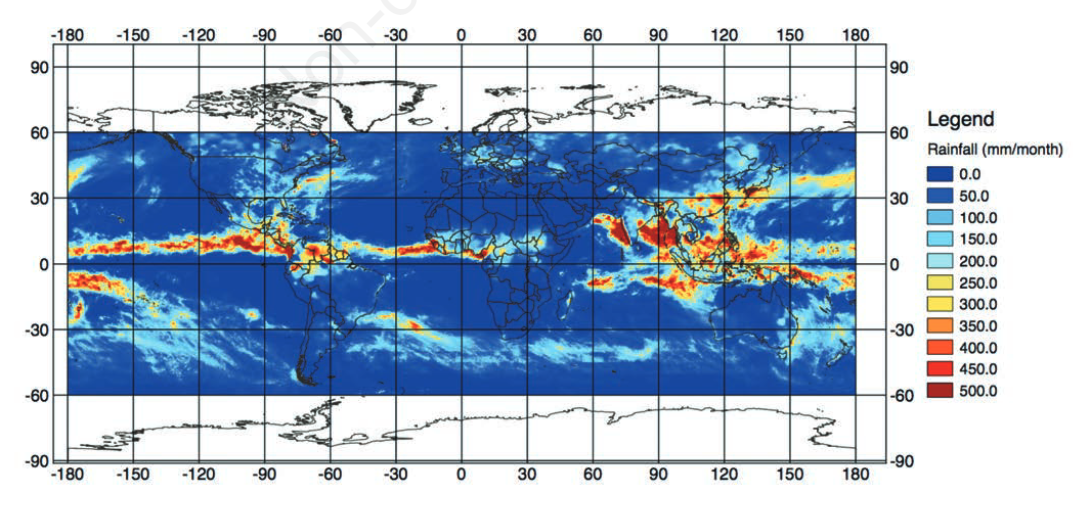 In this 2019 paper published in Geospatial Health, Oyashi et al. present details on the Japan Aerospace Exploration Agency’s (JAXA) Public-health Monitoring and Analysis Platform (PMAP). The web-based system was designed to take a wide variety of environmental data and present it in such a way so as to allow epidemiologists to make local, regional, national, or even global insights. Using more than 30 years of archived Earth-observed satellite data from multiple sources, the authors demonstrate the system and explain its underlying technology. While recognizing some of the inherent limitations of optical-sensor-based data towards user goals, the team concludes that its JPMAP system successfully takes "various satellite-derived environmental information related to epidemiological data and pre-processes the data to improve its accessibility for epidemiological research."
Why a Third-Party Informatics Consultant Should be Part of Your Cloud Strategy
Cloud computing is the 21st century’s version of the industrial revolution. In the last decade, cloud computing and associated software as a service (SaaS) products have experienced massive growth and adoption. The enormous increase in computing power accessibility that cloud technologies provide are helping to fuel a revolution in innovation and worldwide economic growth. Entire industries are being transformed as the cloud spawns new apps, products and services that are changing the way we live, work and play.
[Read More]
Enhancing Drug Discovery with BIOVIA Pipeline Pilot
The chances for a drug candidate entering a preclinical trial to eventually pass the FDA approval stage and make it to market are exceptionally grim – only 1 in 5,000 successfully complete the journey. Additionally, the entire process of bringing a new drug to market takes roughly 12 years on average, while the US Department of Health and Human Services has estimatedthat it costs somewhere between $161 million and $2 billion to bring a new drug to market.
[Read More]
The Value of a Scientific Data Management System (SDMS)
 Most laboratories can readily see the value in the deployment of Laboratory Information Management System (LIMS) or a Chromatography Data System (CDS), but what about a Scientific Data Management System (SDMS)? Many companies feel confident that instrument data from the laboratory is protected in each instrument system (CDS, UV, IR, Mass Spec., etc.) and then…
Read More
Laboratory Informatics Weekly Update – Volume 17, Issue 31
July 31, 2019 Laboratory Informatics Weekly Update Volume 17, Issue 31 In This Issue Upcoming Webinars 08/14/2019 - Webinar: Continuous Improvement in Sample Management09/12/2019 - Astrix Webinar – Digital Data Strategy for the Lab Featured Books CannaQA LiMS Catalog Journal Articles Smart grids and ethics: A case studyWhere do government regulations, privacy, big data, and the management of the energy grid infrastructure collide? The implementation and management of modern smart grids, that's where. In this 2019 paper by Hatzakis et al., a major distribution system operator (DSO) in the Netherlands is at the heart of discovering how Europe's General…Smart grids and ethics: A case study
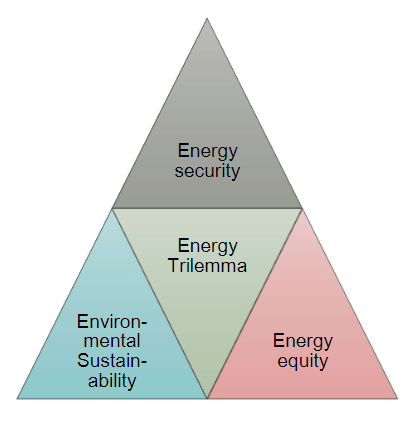 Where do government regulations, privacy, big data, and the management of the energy grid infrastructure collide? The implementation and management of modern smart grids, that's where. In this 2019 paper by Hatzakis et al., a major distribution system operator (DSO) in the Netherlands is at the heart of discovering how Europe's General Data Protection Regulation (GDPR) are affecting modern implementations of smart energy grids. From cybersecurity risks to public concerns about the privacy of their energy data, this article reviews various ethical issues, concluding with "the need for clarification in practice of privacy policies (particularly of GDPR) to lift concerns about the capability of organizations to remain within its boundaries without holding back progress."