Building a newborn screening information management system from theory to practice
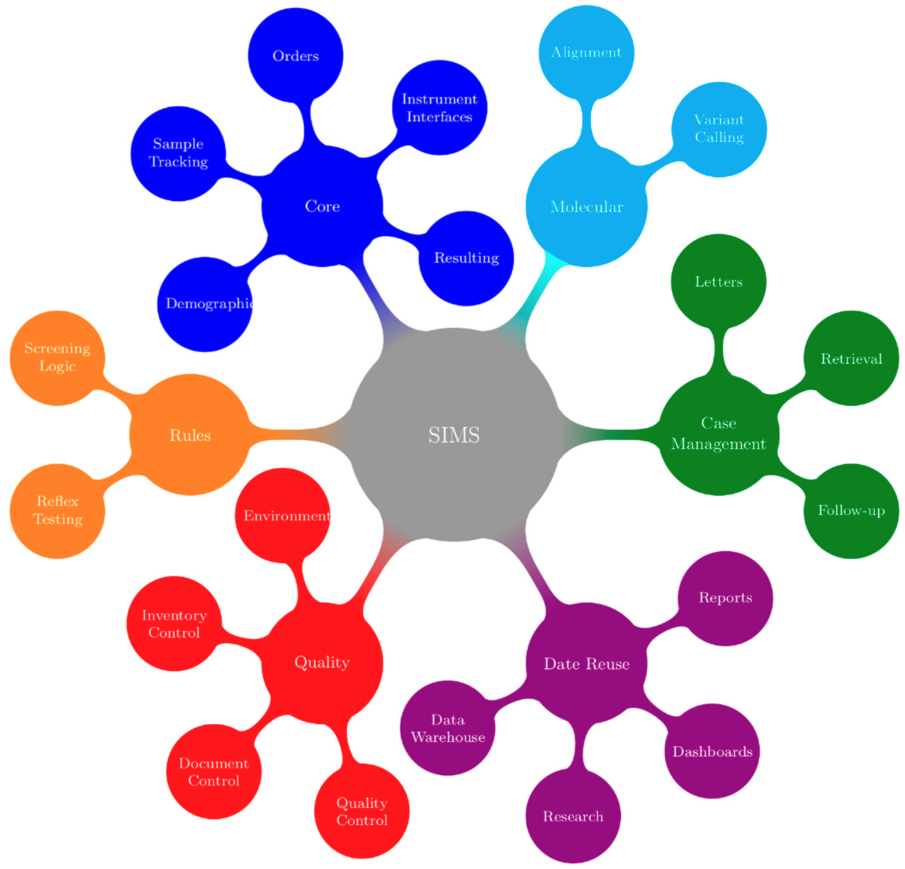 What do you do when your newborn screening program grows in importance, beyond its original data management origins in a time of cloud computing and integrated informatics systems for healthcare? Entities such as Newborn Screening Ontario (NSO) have risen to the challenges inherent to this question, undertaking an end-to-end assessment of their needs and existing capabilities, in the process deciding on "a holistic full product lifecycle redesign approach." This paper describes the full process as conducted by NSO, from theory to practice. The authors conclude "that developing, implementing, and deploying a [screening information management system] is about much more than the technology; team engagement, strong leadership, and clear vision and strategy can lead newborn screening programs looking to do the same to success and long-term gains in patient outcomes.
Ensuring Data Integrity with the Allotrope Framework
 Data integrity is a hot topic as we move into 2019 and for good reason. Pharma and biotech companies produce an enormous amount of experimental R&D data. The sheer volume and complexity of the data makes managing this critical asset challenging. Leading companies are thus investing heavily in initiatives aimed at more effectively managing experimental data across its full lifecycle in hopes of driving the innovation necessary to stay competitive and ensure data integrity.
[Read More]
Factors to Consider When Choosing Your LIMS Project Manager
IT projects are notorious for high failure rates. Cloud portfolio management provider Innotas recently conducted a survey in which half of the businesses responding reported an IT project failure within the previous 12 months. Due to a wide range of factors, a successful laboratory information management system (LIMS) project can be particularly difficult to achieve.
[Read More]
To be Paperless or Not to be? That is the Question for the Scientific Laboratory
 “To be [paperless], or not to be, that is the question.”(Hamlet, Act III Scene 1)
Or at least it used to be the question. Today many labs are finding themselves obligated to move away from using paper in the lab, either for productivity enhancement purposes or just from the need to more easily adhere to regulations that apply to them. If you are working in one of the labs that is still clinging to a ton of paper and has not turned on the servers and gone electronic, the task of reducing paper is not as daunting as it sounds. Many organizations decide to take baby steps when addressing their paper reduction goals while others throw the whole kit and caboodle in and go entirely paperless all at once. But either way you decide, the most important part is starting the discussion.
[Read More]
Laboratory Informatics Weekly Update – Volume 17, Issue 4
January 23, 2019 Laboratory Informatics Weekly Update Volume 17, Issue 4 In This Issue Upcoming Webinars 01/29/2019 - A Structured Approach to Implementing a LIMS01/30/2019 - Webinar: Where to Start When Planning for a LIMS or ELN01/31/2019 - Webinar: Building integrity into your analytical workflow for pharmaceutical development02/06/2019 - Webinar: Optimizing Microbiology Lab Operations in the Era of PAMA Journal Articles Adapting data management education to support clinical research projects in an academic medical centerIn this 2019 paper written by New York University School of Medicine's Kevin B. Read, the topic of clinical research data management (CRDM) is discussed,…Adapting data management education to support clinical research projects in an academic medical center
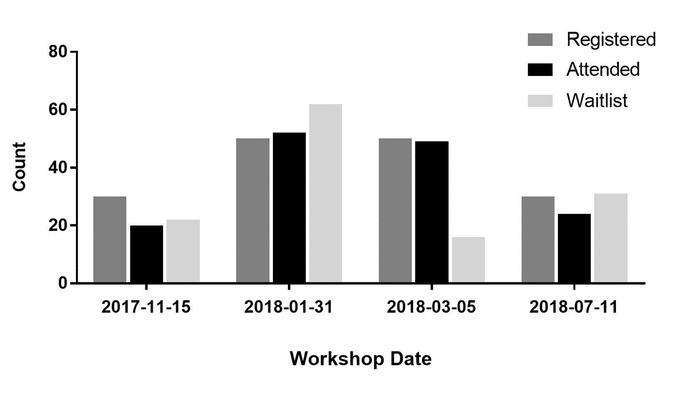 In this 2019 paper written by New York University School of Medicine's Kevin B. Read, the topic of clinical research data management (CRDM) is discussed, particularly in its application at the NYU Health Sciences Library. Identifying a strong need by the clinical research community at the university for CRDM training, Read—acting as the Data Services Librarian and Data Discovery Lead—developed curriculum to support such a mission and offered training. This article details his journey as such, ending with supporting data and a strong feeling that the end result is a "research community being better trained, more compliant, and increasingly aware of established institutional workflows for clinical research."
CloudLIMS Version 1.80 Released!
CloudLIMS, an advanced purpose-built cloud-based SaaS LIMS, accelerates biobanking, clinical research, and testing laboratory operations by efficiently managing laboratory data, automating laboratory workflows, and following regulatory compliance on a cloud platform. The new version of CloudLIMS, version 1.80, is equipped with a new module, Instrument Calibration & Maintenance, to electronically manage all laboratory instrument records along with their previous and current calibration and maintenance data for audits.
To read the complete blog, please visit: https://cloudlims.com/blog/releases/cloudlims-version-180.html
Laboratory Informatics Weekly Update – Volume 17, Issue 3
January 16, 2019 Laboratory Informatics Weekly Update Volume 17, Issue 3 In This Issue Upcoming Webinars 01/22/2019 - Free LABTrack Webinar – Justifying an ELN01/23/2019 - Setting your LIMS Project up for success!01/30/2019 - Webinar: Good Lab Practices Journal Articles Development of an electronic information system for the management of laboratory data of tuberculosis and atypical mycobacteria at the Pasteur Institute in Côte d’IvoireIn this 2019 paper, Koné et al. of the Pasteur Institute of Côte d’Ivoire provide insight into their self-developed laboratory information system (LIS) specifically designed to meet the needs of clinicians treating patients infected with Mycobacterium…Development of an electronic information system for the management of laboratory data of tuberculosis and atypical mycobacteria at the Pasteur Institute in Côte d’Ivoire
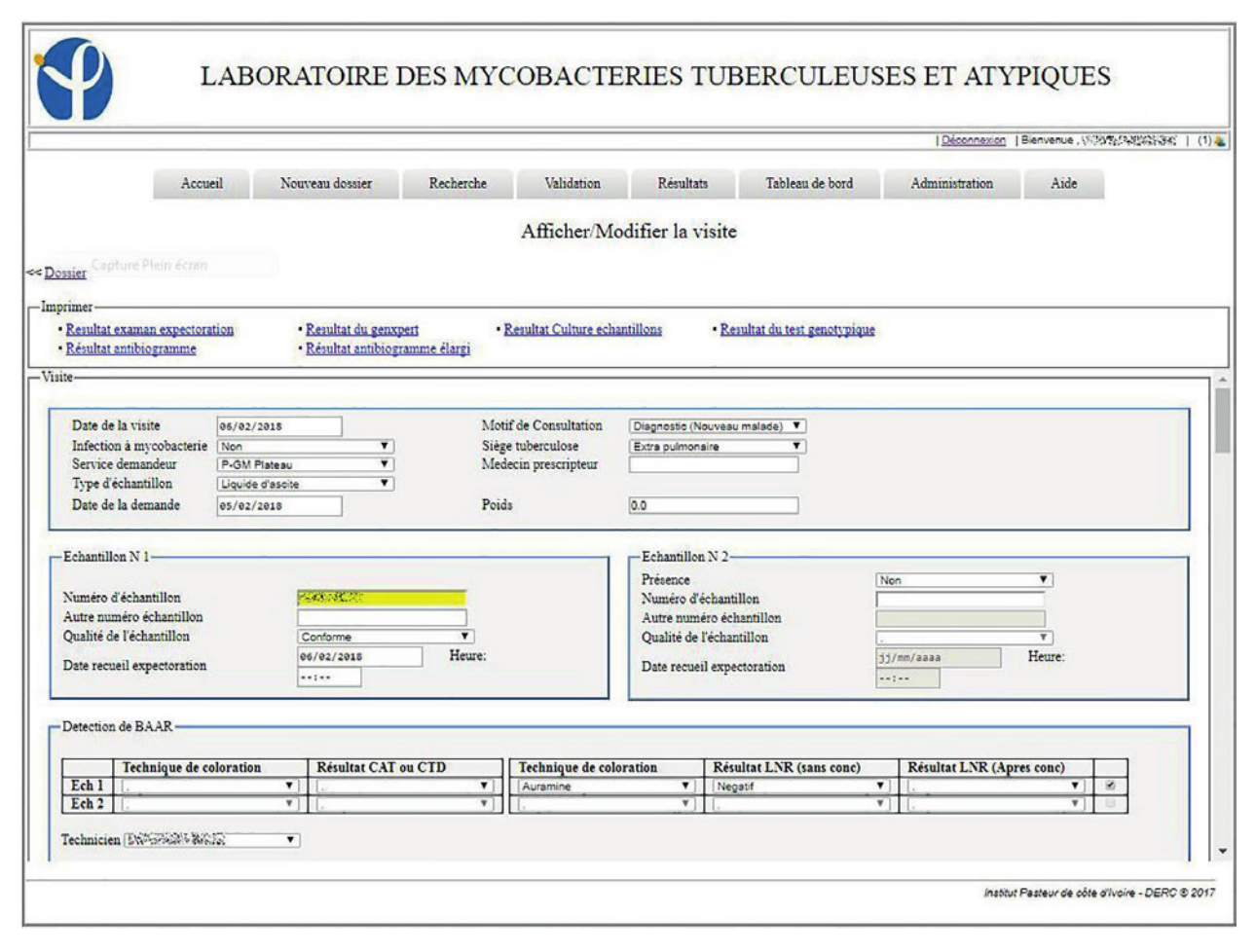 In this 2019 paper, Koné et al. of the Pasteur Institute of Côte d’Ivoire provide insight into their self-developed laboratory information system (LIS) specifically designed to meet the needs of clinicians treating patients infected with Mycobacterium tuberculosis. After discussing its design, architecture, installation, training sessions, and assessment, the group describes system launch and how its laboratorians perceived the change from paper to digital. With some discussion, they conclude they have improved, more real-time "indicators on the follow-up of samples, the activity carried out in the laboratory, and the state of resistance to antituberculosis treatments" with the conversion.
5 Methods to Bring About Improvement in Clinical Laboratory Workflows
Introduction: Clinical research is an important tool for drug discovery, personalized medicine, and patient-centered health care. The workflow in a clinical laboratory is tedious, tasked with a myriad of responsibilities and safety checks. A typical workflow initiates with the ordering of tests and specimen collection followed by proper labeling, storage and testing of the patient specimen.
To read the complete blog, please visit: https://cloudlims.com/blog/clinical-laboratory-workflows-improvement.html
Laboratory Informatics Weekly Update – Volume 17, Issue 2
January 9, 2019 Laboratory Informatics Weekly Update Volume 17, Issue 2 In This Issue Upcoming Webinars 01/14/2019 - Free LABTrack Webinar – Justifying an ELN01/23/2019 - Setting your LIMS Project up for success!01/30/2019 - Webinar: Good Lab Practices Journal Articles Codesign of the Population Health Information Management System to measure reach and practice change of childhood obesity programsAttempting to implement a regional public health initiative affecting thousands of children is daunting enough, but collecting, analyzing, and reporting critical data that shows efficacy can be even more challenging. This 2018 article published in Public Health Research & Practice demonstrates one…Codesign of the Population Health Information Management System to measure reach and practice change of childhood obesity programs
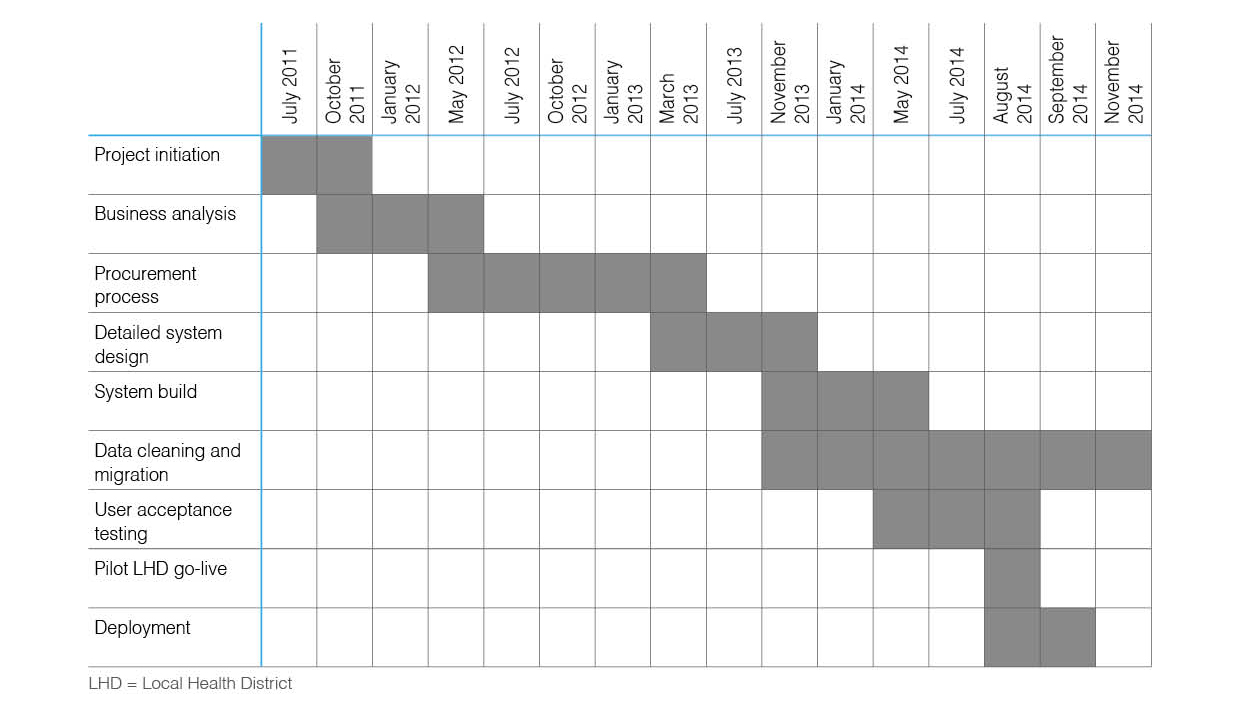 Attempting to implement a regional public health initiative affecting thousands of children is daunting enough, but collecting, analyzing, and reporting critical data that shows efficacy can be even more challenging. This 2018 article published in Public Health Research & Practice demonstrates one approach to such an endeavor in New South Wales Australia. Green et al. discuss the design and implementation of their Population Health Information Management System (PHIMS) to integrate and act upon data associated with not one but two related public health programs targeting the prevention of childhood obesity. The article also discusses some of the challenges with the project, from funding and training all 15 New South Wales local health districts to ensuring support across all the districts for consistent operation and security despite differing IT infrastructures. They conclude that despite the challenges, their award-winning PHIMS solution has been vital to the two programs' success.