

Case Study: LabVantage LIMS Functional Expansion in a Rapidly Expanding Biotechnology Company
 A rapidly expanding biotech company focused on drug discovery and drug development for vaccines, oncology and other diseases was using LabVantage LIMS in its analytical development and quality control laboratories. [Read More]
Laboratory Informatics Weekly Update – Volume 19, Issue 24
June 16, 2021 Laboratory Informatics Weekly Update Volume 19, Issue 24 In This Issue Featured Books Past, Present, and Future of Cannabis Laboratory Testing and Regulation in the United States Featured Content 06/16/2021 - The Origins of Computer System ValidationWhat does Silly Putty have in common with Computer System Validation (CSV)? A thought-provoking question, but one that points out how much we don’t know about the origins of many things we use daily. [Read More] 06/16/2021 - The Changing Landscape of COVID-19 — What's Next? Part 1 in a Series The United States is reaching a transition point in the…Development and implementation of an LIS-based validation system for autoverification toward zero defects in the automated reporting of laboratory test results
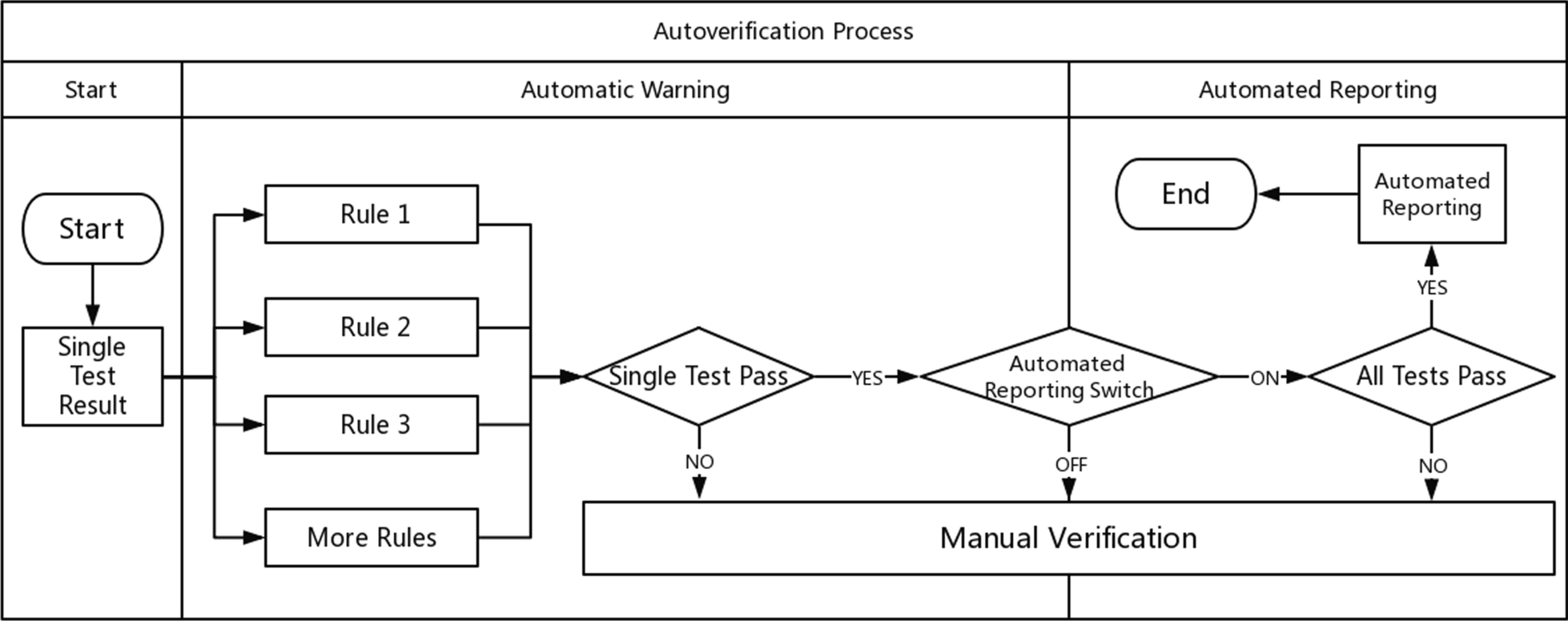 In this 2021 paper published in BMC Medical Informatics and Decision Making, Jin et al. discuss an autoverification and validation system they implemented in their laboratory information systems (LIS) to decrease validation workloads and reduce reporting risks in their healthcare systems. Using a human-machine dialog approach, the authors developed and implemented their autoverification system so that it could record personnel review steps and determine whether the human–machine review results are consistent, while also allowing laboratory personnel to tweak the system further for improved autoverification accuracy. After describing their system in detail, the authors present the results of their two years of use with the system, noting that "in the two years that our online validation has been in use, there have never been any defects or reporting risks due to autoverification" while at the same time enjoying more efficient laboratory verification.
Communication Strategies to Combat Change Fatigue
 The phrase “the only constant is change” may be an understatement for what our labor force has been experiencing since 2020. The COVID-19 pandemic ushered in dramatic changes to the ways in which we both work and live.
Sunquest Case Study – Frederick Health Hospital Meritus Medical Center UPMC Western Maryland Hospital

Three hospitals. One solution. Millions saved.
Learn how a large, Maryland-based lab network has saved millions of dollars sharing and insourcing tests via Sunquest Multi-Lab Networking. [LEARN MORE]
IDBS and Scitara announce a strategic partnership to integrate the Scitara Digital Lab Exchange (DLX™) platform with Polar™, IDBS’ Biopharmaceutical Lifecycle Management (BPLM) platform
The licensing and integration of Scitara DLX technology will offer IDBS users plug-and-play connectivity to any instrument or application in regulated and non-regulated laboratories
Guildford, UK & Marlborough, MA, USA — IDBS, a leading innovator in Biopharmaceutical Lifecycle Management (BPLM), and Scitara, a pioneer in laboratory IoT, have entered into a strategic partnership to create a combined solution that will significantly extend IDBS Polar BPLM’s laboratory data connectivity and instrument integration capabilities.…
Innovative Analytical Software for Enhanced Data Acquisition and Analysis
 Scientists within academia and industries including pharmaceutical, biopharmaceutical and food and beverage analysis, can now benefit from new and improved software capabilities to enhance productivity and usability.
Proscia Upgrades Flagship Software to Enable Rapid Modernization of Diagnostic Pathology In Post-Pandemic Era
Proscia®, a leading provider of digital and computational pathology solutions, has introduced the next generation of its flagship Concentriq® platform to help the world’s largest laboratory networks keep pace with the growing need for diagnostic services in the post-COVID era.Strateos Raises $56 Million in Series B Funding to Expand its SmartLab Platform to Accelerate Life Science Discoveries
 Strateos is pleased to announce a $56.1 Million Series B investment led by DCVC and Lux Capital with participation from investors Eli Lilly and Company, Ally Bridge Group, Mack & Co., LLC, Black Diamond Ventures and Castor Ventures.
Laboratory Informatics Weekly Update – Volume 19, Issue 23
June 9, 2021 Laboratory Informatics Weekly Update Volume 19, Issue 23 In This Issue Featured Books The Complete Guide to LIMS and Laboratory Informatics: 2021 Edition Featured Content 06/09/2021 - Communication Strategies to Combat Change FatigueThe phrase “the only constant is change” may be an understatement for what our labor force has been experiencing since 2020. The COVID-19 pandemic ushered in dramatic changes to the ways in which we both work and live. [Read More] 06/09/2021 - Sunquest Case Study - Frederick Health Hospital Meritus Medical Center UPMC Western Maryland HospitalThree hospitals. One solution. Millions saved.Learn how a large,…Emerging and established trends to support secure health information exchange
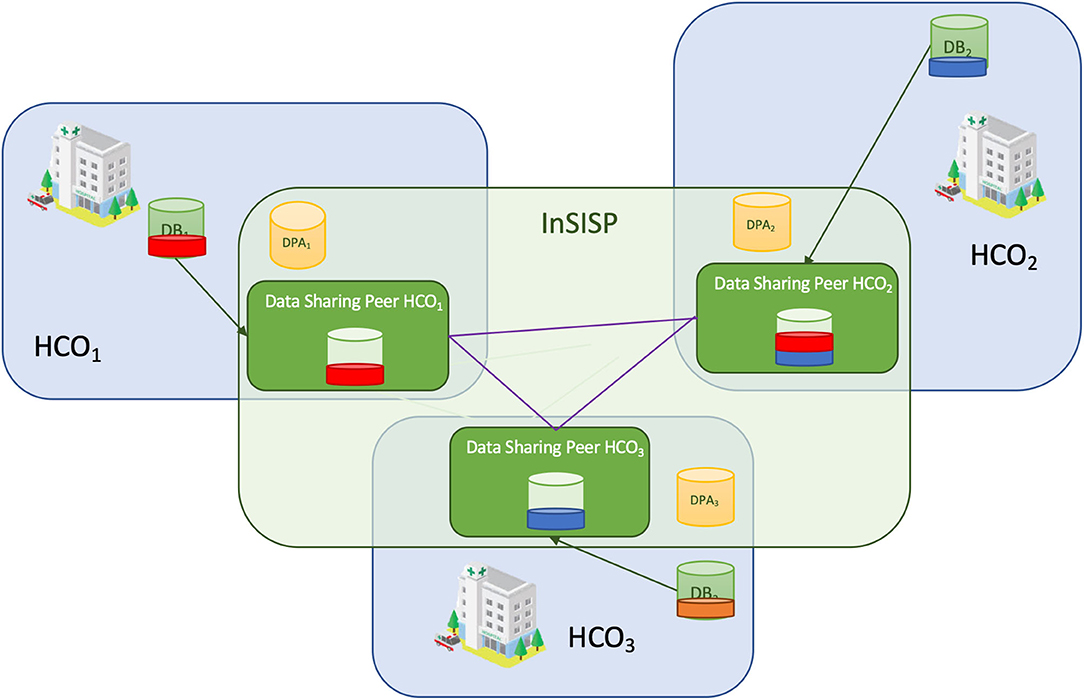 In this 2021 article published in Frontiers in Digital Health, Spanakis et al. describe their research efforts towards the development of a more advanced way of securely transmitting and sharing sensitive healthcare data, including by use of blockchain and cloud computing. They first provide background on interoperability and data sharing in healthcare and the challenges that face such activities. This background also includes discussion of an interoperability framework in the European context and how it could be applied to their research. The authors then discuss the current status of standards-based health data exchange and how blockchain fits into that picture. They then propose their Innovative Secure Information Sharing Platform (InSISP), which is "able to support a fast and efficient medical information sharing at both national and cross-national levels, taking into account sharing constraints, including those imposed by the General Data Protection Regulation (GDPR)." Afterwards, they summarize their recommendations based on their InSISP, concluding that their platform has the potential improve healthcare data sharing and transmission, though not without challenges in addressing blockchained healthcare data in the scope of GDPR, as well as the overall complexity and heterogeneity of big healthcare data and the problems that arise.
Accelerating Biotherapeutic Analysis – Can you afford not to use your most valuable data?
 Protein biotherapeutics have shown considerable promise in the treatment of a wide range of diseases and are one of the fastest growing segments in the pharmaceutical industry.
[Read More]
Astrix Launches Dedicated Quality Services Practice
 Astrix, the laboratory digital transformation experts, announced today the launch of a dedicated Digital Quality & Compliance practice at the company.
Autoscribe Continues to Drive Technology with Matrix Gemini LIMS v6.0
 Autoscribe Informatics releases v6.0 of Matrix Gemini LIMS. V6.0 is a major technological upgrade, that also provides users with an enhanced calculation engine and additional multi language support.
[Read More]
6 Powerful Ways to Automate Your Next-Generation Sequencing Lab
 For low-throughput labs, manual processing might be the simplest and best way to operate. But for high-throughput labs, automation is the key tool needed to boost speed and efficiency.
Every process you currently perform manually is an opportunity for incremental improvement. So, it makes sense to automate as many processes as possible once your monthly throughput exceeds a certain threshold. We’ve talked about this before in our post on scaling throughput, but we think it bears repeating. If you want to scale, automation is critical. [Read More]
Biospecimen Research Methods
 This is an advanced University of British Columbia-created course that is released on the edX platform. The scheduled six-week course is designed to help learners to better understand 'international best practices for biobanking and research involving human biospecimens, based on National Cancer Institute (NCI) and International Society of Biological Environmental Repositories standards (ISBER)." The course is $99 and presumably comes with a certificate of completion. The course requires on average four to five hours a week of effort. Access to the class begins September 22, 2020.
Security and privacy in cloud-based eHealth systems
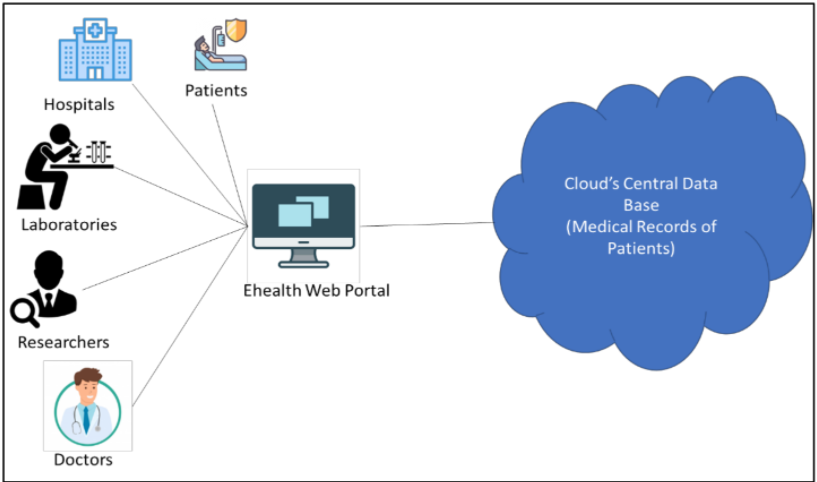 Electronic health or eHealth solutions are increasingly used in healthcare, including in cloud computing settings. The cloud adds benefits to the use of those eHealth systems, but it also brings with it a number of security challenges, as Sivan and Zukarnain highlight in this 2021 paper. The duo turn to a literature review of eHealth technologies in relation to cloud computing and use that literature to show the strengths and weaknesses of a cloud-based eHealth systems approach. After providing background on cloud computing and the advantages it brings to eHealth systems, the authors identify security issues introduced by moving to the cloud and what security methods can help resolve those issues. They close with a recap of the proposed solutions, future directions for cloud-based eHealth security, and the conclusion that "the future of cloud-based eHealth services will be the integration of file-based and cloud-based applications that integrate a computer-based hybrid IT solution that measures the flexibility and scalability associated with cloud management and healthcare data security."
Interfacing Forgotten Analytical Instruments
 Interfacing analytical instruments to informatics solutions is a prerequisite for efficient and effective regulated Quality Control laboratories and to eliminate paper in any laboratory.
[Read More]
Drive Molecular Oncology Testing with Sunquest Mitogen™ LIMS
 Spreadsheets and paper-based management – or trying to stretch a clinical LIS to do molecular work – simply aren’t practical solutions for labs offering cancer diagnostics. [LEARN MORE]
The New Vision for Scientific Development
 The R&D pipeline is the foundation for building the future of any life science organization. It is the frontier for the discovery of new drug compounds and therapeutic agents.
[Read More]

