ChromaWizard: An open-source image analysis software for multicolor fluorescence in situ hybridization analysis
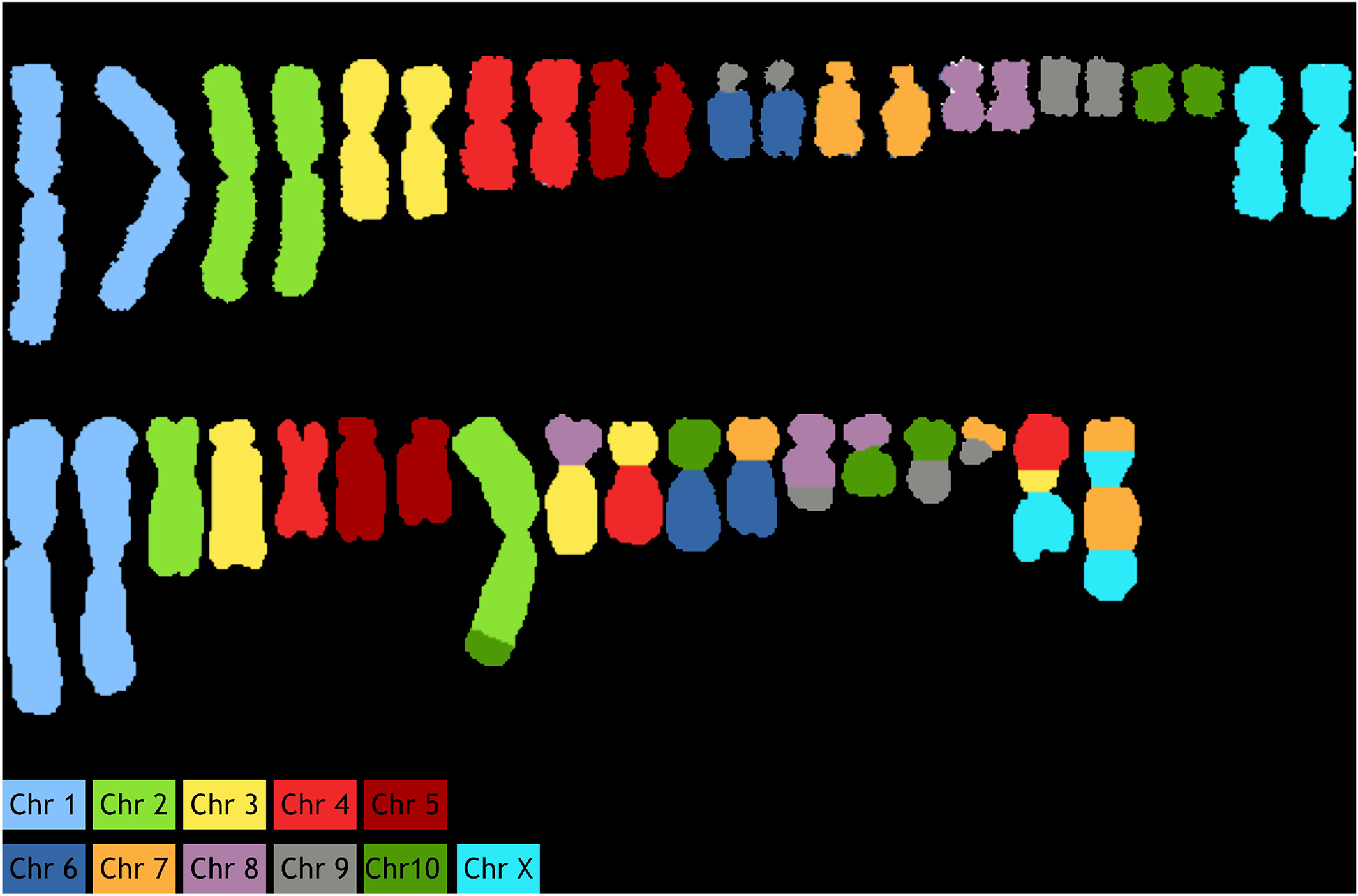 In this brief article published in Cytometry Part A, researchers at the Austrian Centre for Industrial Biotechnology present their open-source multiplex fluorescence in situ hybridization (M‐FISH) software for chromosome painting. The tool—ChromaWizard—acts as a free and open-source option for hybridization analysis, integrating "image processing, multicolor integration, chromosome separation, and visualization with false color assignments." The software can handle images in TIFF, PNG, and JPEG formats and provides robust visualization tools. The authors conclude that ChromaWizard "allows direct inspection of the original hybridization signals and enables either manual or automatic assignment of colors, making it a functional and versatile tool that can also be used for other multicolor applications."
Haves and have nots must find a better way: The case for open scientific hardware
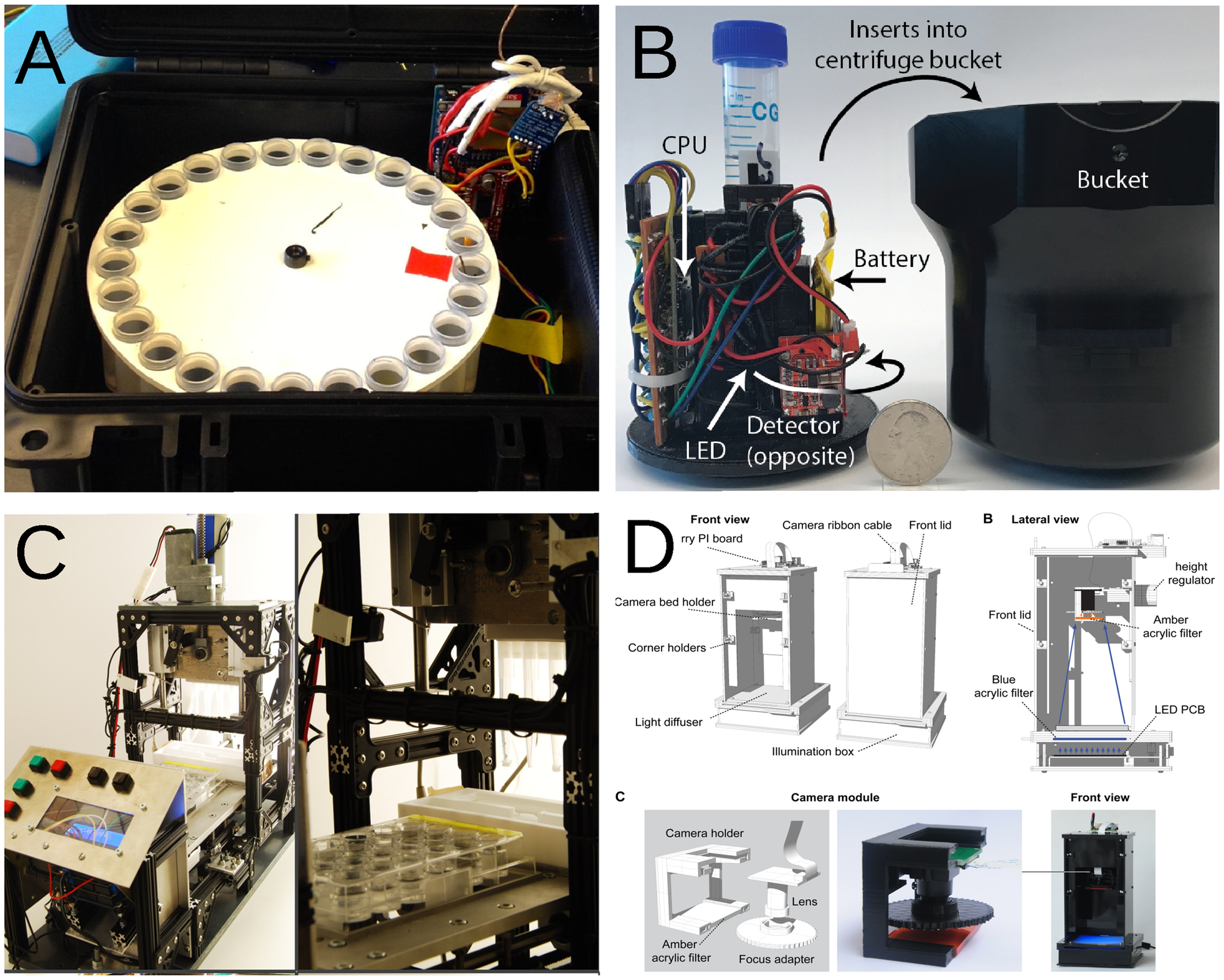 Open-source software has been a topic of discussion for decades, both as a model of software development and distribution and as a potential for what could be done with it. But the concept of open-source hardware, particularly in the field of science, has been more challenging to address. In this brief perspective article by University of Tübingen's André Maia Chagas, he discusses the benefits of open science hardware to address the growing concern of "haves and have nots" in the scientific research community. Citing high prices, the overall closed-source nature of equipment, businesses that can close without warning, and poor customer support, Chagas attempts to demonstrate that advances in modern design—such as the smartphone—and organizational efforts to implement and promote open hardware philosophies provide opportunity for more people to engage in scientific endeavors. He concludes we "need to reassess our relationship to knowledge and technology, how it determines our role in society, and how we want to spend grant money entrusted to us by the people," and by focusing on making hardware more open and accessible, we'll shrink the divide and improve scientific research as a result.
Laboratory Informatics Weekly Update – Volume 17, Issue 50
December 17, 2019 Laboratory Informatics Weekly Update Volume 17, Issue 50 In This Issue Upcoming Webinars 01/28/2020 - Astrix Webinar – Supporting Your Laboratory Informatics Ecosystem with Laboratory Informatics as a Service (LIaaS) Featured Books LIMSpec 2019-r1 Edition Journal Articles Implementing a novel quality improvement-based approach to data quality monitoring and enhancement in a multipurpose clinical registryThe clinical registry is an important tool in assisting those affected by rare diseases. Using observational study methods, the registry collects and assists with analysis of data related to a particular disease or condition, helping to serve researchers and their policies towards helping…CytoConverter: A web-based tool to convert karyotypes to genomic coordinates
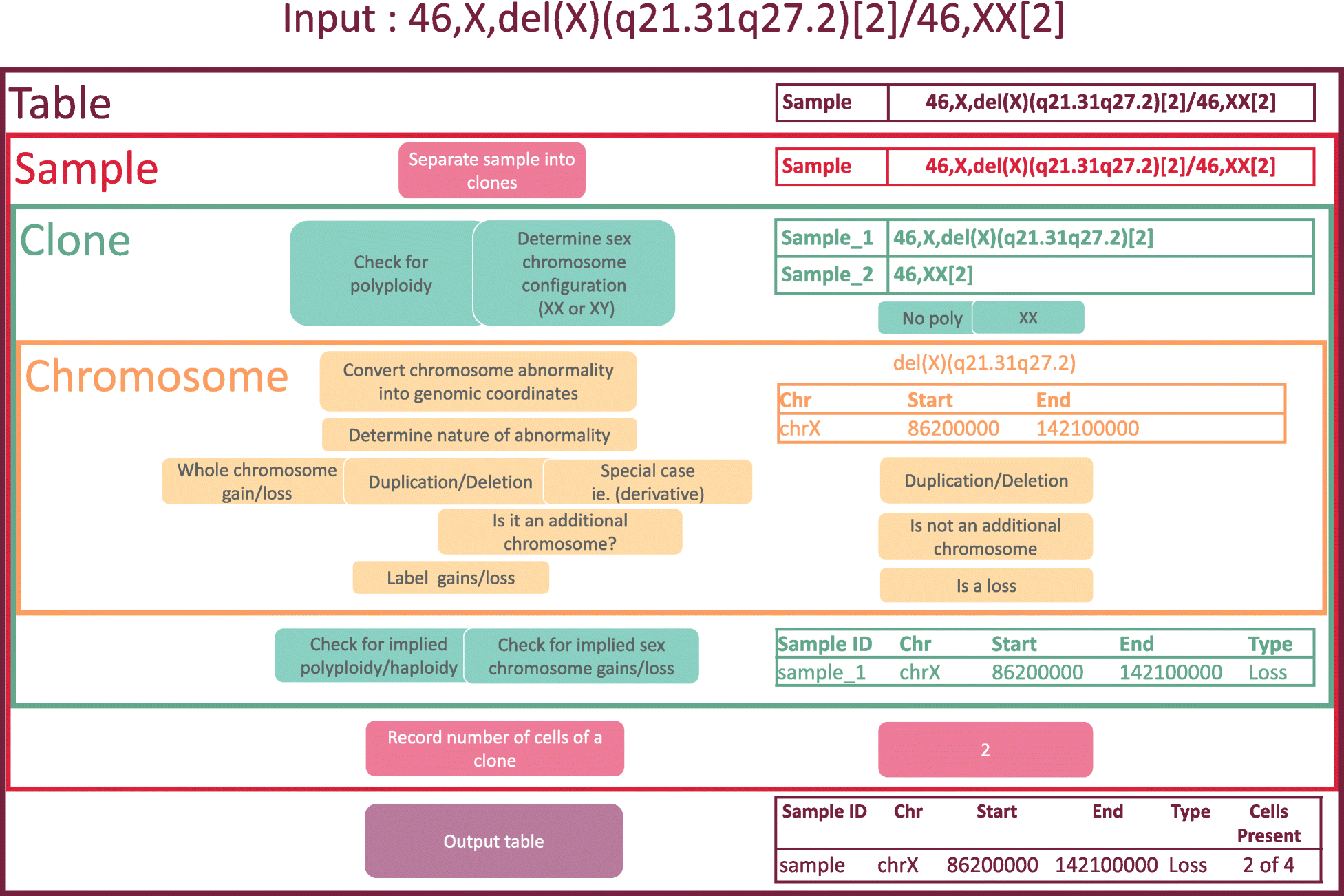 In this brief article published in BMC Bioinformatics, Wang and LaFramboise address the topic of cytogenetic data and their genomic coordinates, which the authors describe as "precisely [specifying] a chromosomal location according to its distance from the end of the chromosome." The authors note that despite changes in techniques over the years, the use of karyotype and cytogenetic nomenclature was the primary way of characterizing aberrations in chromosomes, and those methods are still being used today. Additionally, archival data used karyotypes and cytogenetic nomenclature. Given the lack of a maintained, robust tool for converting that nomenclature to genomic coordinates, the authors address their creation, CytoConverter, and explain how it accomplishes such conversions. They conclude that the tool should have "considerable value to the community for analyzing archival patient samples, as well as samples for which higher-resolution copy number data is unavailable."
Benefits and Best Practices for Integrating Laboratory Instruments with LIMS
 Due to technological advances in laboratory instruments and higher throughput processes, data volumes in modern analytical laboratories have increased dramatically over the last several decades. While this increased data volume presents the opportunity to improve innovation and enable timely and effective business decisions, it also presents significant data management and processing challenges. In order to meet the challenge of turning this data into knowledge, laboratories are looking to automate and integrate laboratory operations and processes as much as possible in order to provide digital continuity throughout the product lifecycle.
Integrating laboratory instruments with Laboratory Information Management Systems (LIMS) is one of the best ways to automate laboratory processes. Instruments that are commonly integrated with LIMS in laboratories include:
- GC
- GCMS
- HPLC
- LCMS
- ICP
- Particle Counters
- DNA Sequencers
- Balances
- Titrators
- AA Analyzers
[Read More]
LIMS Vs. QMS
Most laboratories generate massive volumes of data on a day-to-day basis and have to follow regulatory guidelines. Laboratories must determine if they need a LIMS or a QMS or both. Managing a plethora of laboratory data efficiently and assuring quality is crucial for all laboratories. To make a decision, it is important to understand the differences between a LIMS and a QMS.
To read the complete blog, please visit: https://cloudlims.com/blog/lims-versus-qms.html
Laboratory Informatics Weekly Update – Volume 17, Issue 49
December 10, 2019 Laboratory Informatics Weekly Update Volume 17, Issue 49 In This Issue Featured Books Laboratory Information Management for Cannabis Quality Assurance Journal Articles Fast detection of 10 cannabinoids by RP-HPLC-UV method in Cannabis sativa L.In this 2019 article published in Molecules, Mandrioli et al. detail the process they developed for detecting 10 cannabinoids in Cannabis sativa L. using reversed-phase high-performance liquid chromatography with an ultraviolet detector (RP-HPLC-UV). Citing numerous other published methods, many of them requiring more expensive mass spectrometry detectors, the authors sought to "identify and titrate cannabinoids in a simple way" using a method that…Implementing a novel quality improvement-based approach to data quality monitoring and enhancement in a multipurpose clinical registry
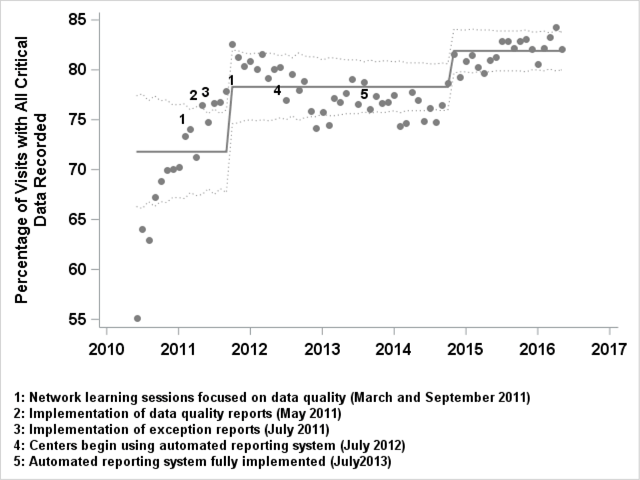 The clinical registry is an important tool in assisting those affected by rare diseases. Using observational study methods, the registry collects and assists with analysis of data related to a particular disease or condition, helping to serve researchers and their policies towards helping the afflicted. While studies have been performed on the "fit for use" nature of registry data, data quality studies of registries using specific quality improvement approaches have been fewer. Pratt et al. give their take on a quality improvement scheme for registries in this 2019 paper, tapping into the significant data generated by the ImproveCareNow (ICN) Network and its goal of improving outcomes of pediatric and adolescent inflammatory bowel diseases. After going through their methodology, the authors conclude that data quality improvement campaigns, particularly those that include support for training and tools, can improve "the completeness and consistency" of registry data, and by extension resulting "in a higher level of confidence when accessing the data for various purposes, including clinical decision making."
Evaluating Legacy LIMS Part 2: LIMS Migration
Whether due to increases in data volume, regulatory constraints, M&As, globalization, outsourcing, or a myriad of other reasons, legacy LIMS are becoming extremely costly to manage, and many companies are finding themselves in a situation where their legacy system is not able to adequately keep up with changing business requirements.
Organizations looking to address deficiencies in their legacy LIMS have two options – re-architect/re-engineer their legacy system or purchase and migrate to a new LIMS. In part 1 of this blog series, we discussed the steps involved in re-architecting your legacy system, as well as the benefits of doing so. In this article, we’ll explore the other option – purchasing and migrating to a new LIMS.
[Read More]
Agile Development in Laboratory Informatics
 Agile development is one of those buzzwords that you’ve heard a lot if you’ve spent any time at all in the business world. Like Lean Six Sigma, it’s one of those secret handshake-type terms that will have everyone nodding in recognition, even if they’re not really sure what it’s about. But in laboratory informatics—particularly in…
[Read More]
Evaluating Legacy LIMS Software Part 1: Re-engineering Your System
The first laboratory information management systems (LIMS) were designed as simple tracking tools that enabled systematic control of workflows in regulated laboratories. More recently, LIMS software has evolved into something more akin to an enterprise resource planning tool for the lab that has the ability to manage many different aspects of operations across the full data lifecycle – resource management/scheduling, assay data management, data mining, data analysis, case-centric clinical data, and electronic laboratory notebook (ELN) integration.
Because of today’s rapidly changing business environment, many scientific and R&D-oriented companies find themselves in a situation where their legacy LIMS software struggles to meet business needs. Whether due to increases in data volume, regulatory constraints, M&As, globalization, outsourcing, or a myriad of other reasons, the reality is that many legacy systems are becoming extremely costly to manage and are not able to adequately address changing business requirements. The improved functionality and flexibility inherent in modern COTS systems creants a powerful incentive for these companies to explore the possibility of replacing a legacy system with a new commercial LIMS.
Replacing an aging or legacy LIMS software is no small matter...
[Read More]
LIMS Master Data Best Practices Part 2: Extrapolation of Master Data from Your Current Records
As we mentioned in part 1 of our LIMS Master Data Best Practices series, master data is the core information that needs to be in place in the system in order for a LIMS to function as intended. It’s essential for all parts of the organization to agree on both the meaning and usage of master data. As such, effective master data configuration is critical to the success of any LIMS implementation and migration, not to mention your organization as a whole.
Developers configuring master data in a new LIMS will need to determine what master data fields are needed and where to put them in the system. In order to do this, relevant business process workflows and data points must be identified and properly mapped in the system. In this part 2 blog of our Master Data Best Practices series, we will detail best practices for identifying and mapping your LIMS master data, along with an effective methodology to ensure your mapping exercise maximizes business value for your organization.