Posted on December 4, 2019
By Autoscribe Informatics Inc.
Blog

Given that many organizations and their laboratories are looking to improve efficiency and reduce costs, it may seem self-evident that introducing a Laboratory Information Management System (LIMS) should help in achieving that aim. However, tangible evidence in the form of a projected Return on Investment (ROI) and business plan is frequently required. In addition, these can provide a basis against which success of the project can be measured. Autoscribe Informatics have just published an updated version of their popular white paper ‘
Justifying the Purchase of a LIMS’. This is designed to help any organization develop a detailed, evidence based justification for investing in a LIMS. This updated version not only discusses the key factors to be considered in an ROI assessment, but also provides models and examples for how ROI may be calculated.
Posted on December 4, 2019
By CSols Inc.
Blog

The topic of this blog was occasioned by a recent calendar observation. November 8 is recognized in the United States as National STEM Day (or National STEAM Day). STEM is the acronym for science, technology, engineering, and math; STEAM is its extension when you include the arts. Educators around the country use the occasion to expose their students to STEM activities and to talk about potential career paths. The
Society for Information Management provides information about a number of STEM-related activities specific to information technology.
Posted on December 4, 2019
By Corinne Jones
Newsletter
December 4, 2019 Laboratory Informatics Weekly Update Volume 17, Issue 48 In This Issue Upcoming Webinars 12/05/2019 - Webinar: Tools for the Food and Beverage Lab Featured Books The Complete Guide to LIMS & Laboratory Informatics Journal Articles What is this sensor and does this app need access to it?We use our mobile phones daily, and many of don't give consideration to whether or not those devices are tracking or monitoring our activities. At the root of this cybersecurity issue is, most frequently, the permissions given to one or more applications on the device to access one or more…
Posted on December 2, 2019
By Shawn Douglas
Journal articles
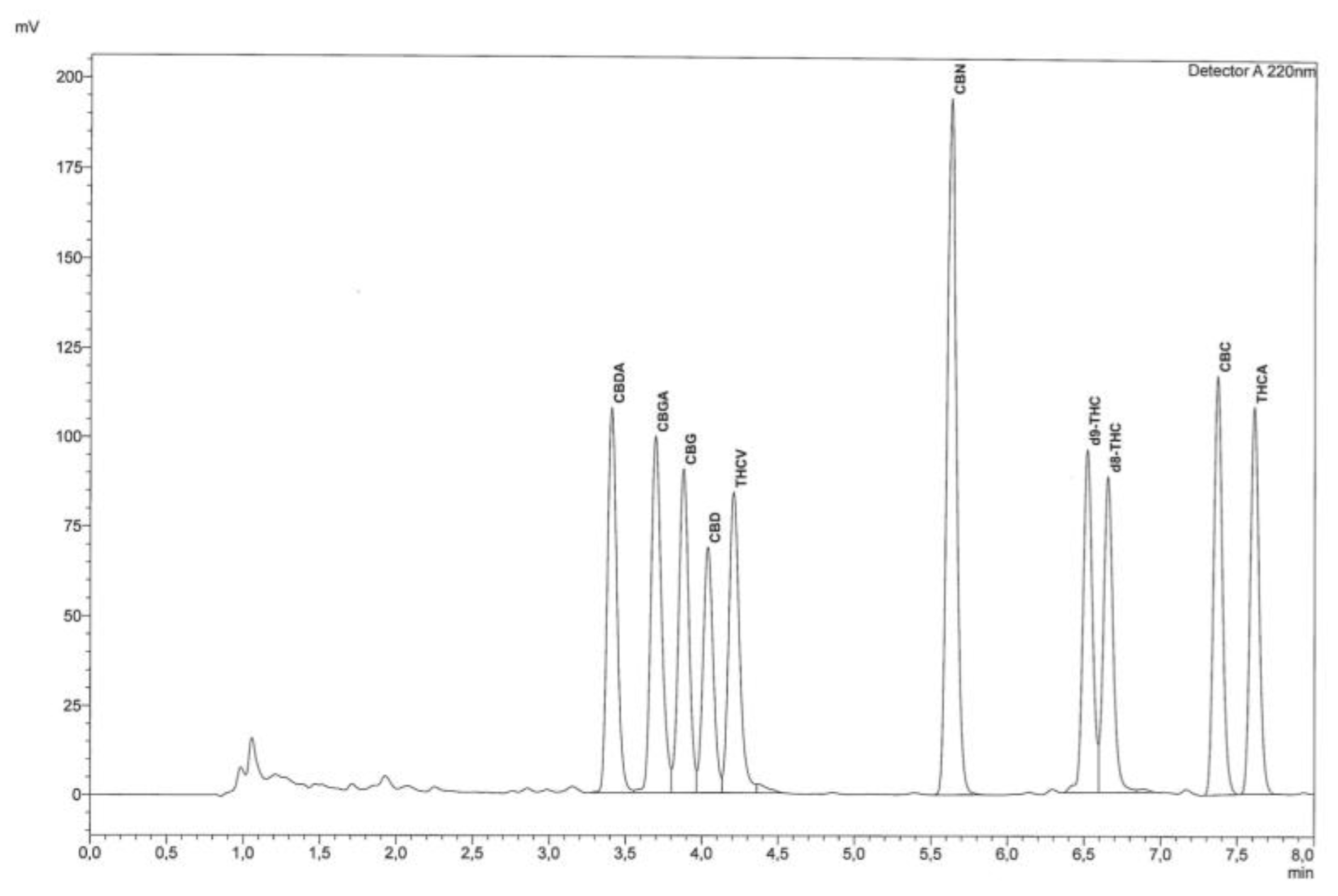
In this 2019 article published in
Molecules, Mandrioli
et al. detail the process they developed for detecting 10 cannabinoids in
Cannabis sativa L. using reversed-phase high-performance liquid chromatography with an ultraviolet detector (RP-HPLC-UV). Citing numerous other published methods, many of them requiring more expensive mass spectrometry detectors, the authors sought to "identify and titrate cannabinoids in a simple way" using a method that optimally would be "fast, easy, robust, and cost-efficient," making the process more approachable by not only research laboratories but also small businesses focused on quality control. Using their method, the authors conclude that the method can produce results in eight minutes, with high sensitivity and simple methodology.
Posted on November 26, 2019
By Shawn Douglas
Journal articles
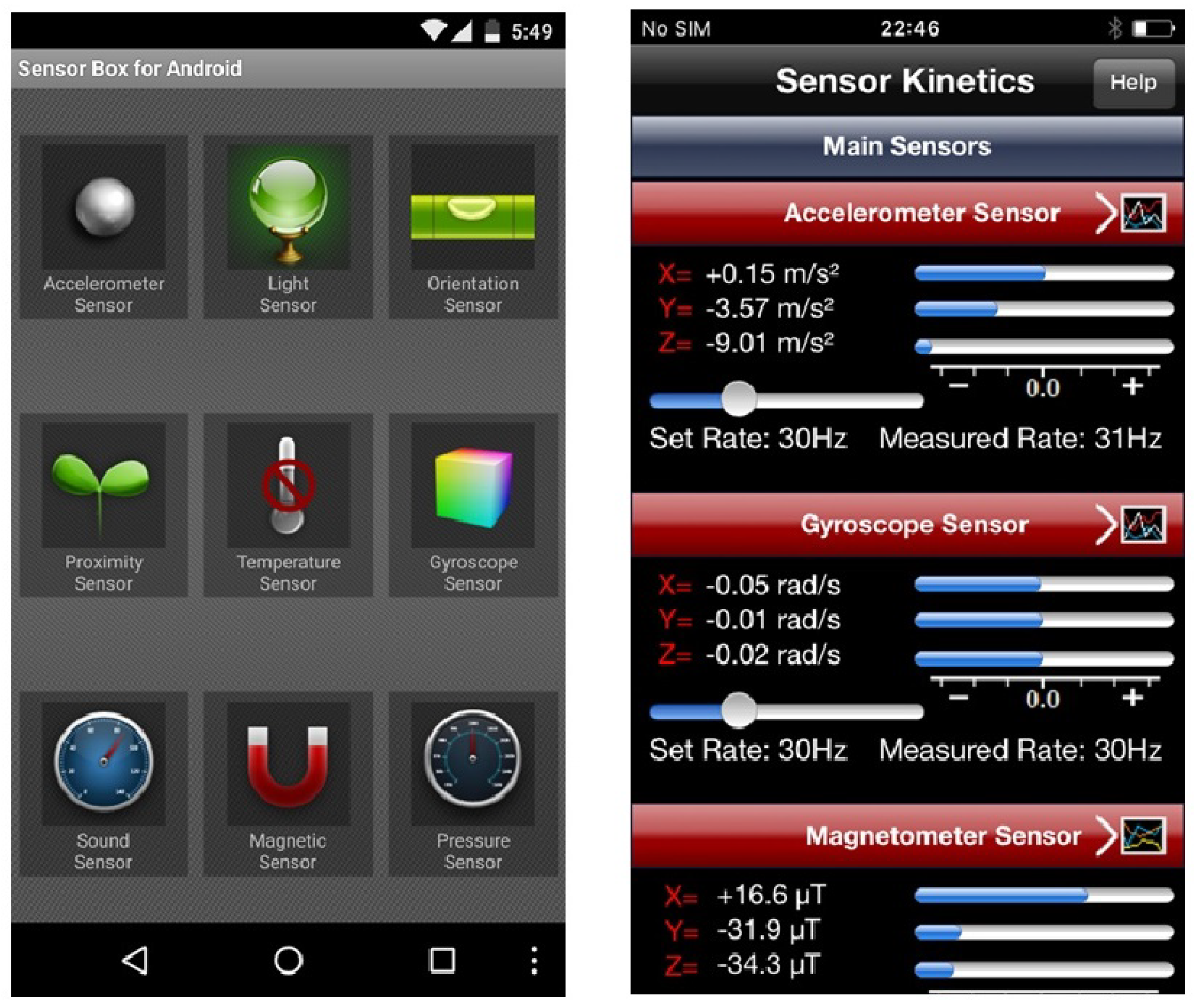
We use our mobile phones daily, and many of don't give consideration to whether or not those devices are tracking or monitoring our activities. At the root of this cybersecurity issue is, most frequently, the permissions given to one or more applications on the device to access one or more sensors contained in the device. The lackadaisical attitude of the average user towards the cybersecurity of their mobile device can be attributed to a variety of aspects, including poor education regarding smartphone use, low public awareness, and ignorance due to developers' stealthy or "permission hungry" methodologies. Mehrnezhad and Toreini discuss these issues and more at length in this 2019 paper published in
Informatics, concluding that while "teaching about general aspects of sensors might not immediately improve people’s ability to perceive the risks," over time users may "successfully identify over-privileged apps" and make more informed decisions about "modifying the app permissions, uninstalling, or keeping it as-is."
Posted on November 20, 2019
By Corinne Jones
Newsletter
November 20, 2019 Laboratory Informatics Weekly Update Volume 17, Issue 47 In This Issue Upcoming Webinars 11/21/2019 - Webinar: Clinical Decision Support Implementation Do’s and Don’ts - How to Optimize and Stabilize Your Solution12/05/2019 - Webinar: Tools for the Food and Beverage Lab Featured Books The Complete Guide to LIMS & Laboratory InformaticsThe Laboratories of Our Lives: Labs, Labs Everywhere! Journal Articles Building infrastructure for African human genomic data managementGenomic and sequencing data are inherently complex and have significant storage requirements. They require a robust infrastructure with well-considered policies to make the most of their potential. While North America…
Posted on November 19, 2019
By Shawn Douglas
Journal articles
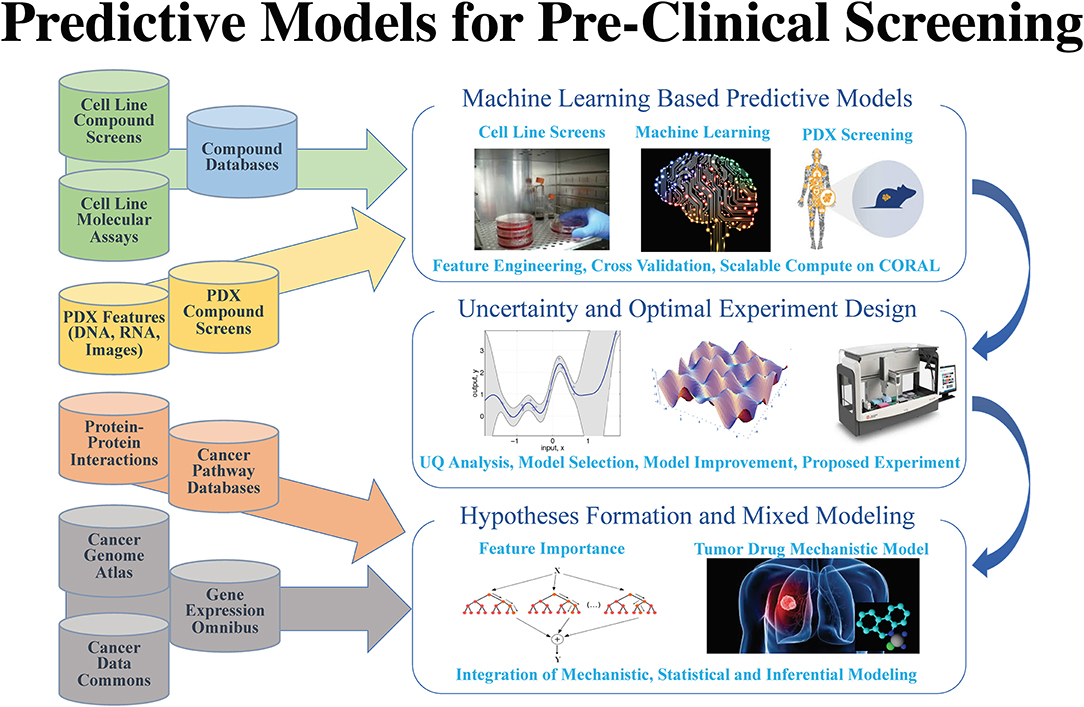
In this 2019 review paper published in
Frontiers in Oncology, Bhattacharya
et al. describe the state of collaborative, artificial-intelligence-based computational cancer research within various agencies and departments of the United States. The researchers point to three major initiatives that aim "to push the frontiers of computing technologies in specific areas of cancer research" at the cellular, molecular, and population levels. They present details concerning the three initiatives, enacted as pilot programs with specific goals: Pilot One "to develop predictive capabilities of drug response in pre-clinical models of cancer," Pilot Two "on delivering a validated multiscale model of Ras biology on a cell membrane," and Pilot Three "to leverage high-performance computing and artificial intelligence to meet the emerging needs of cancer surveillance." Additionally, emerging opportunities and challenges that continue to arise out of these pilots are also addressed, before concluding that "opportunities for extreme-scale computing in AI and cancer research extend well beyond these pilots."
Posted on November 13, 2019
By Astrix Technology Group
Blog

Computerized systems have been widely adopted by the pharmaceutical industry and are frequently used for instrument control and data evaluation, documentation, transmission and archiving in laboratories. The FDA requires that all computer systems in regulated environments be validated in a documented process known as
computer system validation (CSV). CSV serves to verify that a computerized system does exactly what it is designed to do in a consistent and reproducible manner.
For regulatory compliance purposes, CSV confirms the accuracy and integrity of data created, modified, archived, retrieved and transmitted by a computer system in order to ensure product safety and effectiveness. Computer system validation is required when configuring a new system or making a change in a validated system (upgrades, patches, extensions, etc.).
Depending on the complexity and functionality of computer systems, CSV can be a significant undertaking. Pharmaceutical companies have even been known to delay upgrading applications to avoid the validation effort required. In this blog, we will provide some tips on performing a risk-based CSV in order to dramatically lower the costs of validation efforts.
Posted on November 13, 2019
By Astrix Technology Group
Blog
Change is clearly a dominant theme in the 21
st century. With modern trends like the digital revolution, globalization, talent shortages, greater workforce mobility, and a
multigenerational workforce, long-established business models are facing disruption on many different fronts, and companies seeking to maintain competitive advantage must be more agile and flexible than ever before.
One of the keys to business success in today’s volatile economic environment is attracting and retaining the best talent. As such, industry leading organizations are recognizing the importance of the role of HR leaders to their continued success. Once known for simply managing traditional personnel and administrative tasks, roles for Chief Human Resources Officers (CHROs) are evolving beyond siloed people initiatives.
Posted on November 13, 2019
By Corinne Jones
Newsletter
November 13, 2019 Laboratory Informatics Weekly Update Volume 17, Issue 46 In This Issue Upcoming Webinars 11/20/2019 - Webinar: Don’t roll the dice on your lab informatics implementation – Fill each required role with care12/05/2019 - Webinar: Tools for the Food and Beverage Lab Featured Books The Comprehensive Guide to Physician Office Laboratory Setup and OperationNext-Generation Sequencing: A Brief Introduction Journal Articles Process variation detection using missing data in a multihospital community practice anatomic pathology laboratoryIn this brief journal article by Ochsner Health System's Gretchen Galliano, a case is made for a programmatic approach to analyzing missing data in…
Posted on November 11, 2019
By Shawn Douglas
Journal articles
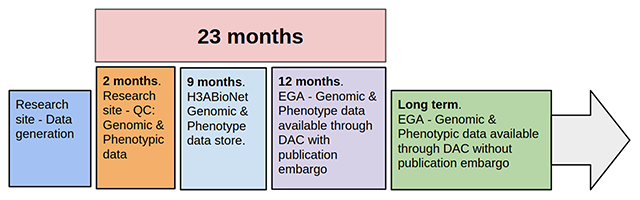
Genomic and sequencing data are inherently complex and have significant storage requirements. They require a robust infrastructure with well-considered policies to make the most of their potential. While North America and Europe have helped lead the way in this goal, Africa is behind them in the adoption of genomic technologies. Parker
et al., of the Human Hereditary and Health in Africa (H3Africa) program, have taken on the challenge of provisioning and managing the infrastructure required to meet the goals of various Africa-based genetic research projects. This paper describes the H3Africa Data Archive, "the first formalized human genomic data archive on the continent." The authors discuss their process and findings, also noting various challenges that presented during the implementation process, as well as recognizing the various benefits from such a project.
Posted on November 7, 2019
By Astrix Technology Group
Blog
The BIOVIA ELN is a crucial technology that works with Pipeline Pilot in a seamless fashion. Modern laboratory technologies such as Electronic Laboratory Notebooks (ELNs) and LIMS have made enormous amounts of data available to scientists in life science laboratories. Scientists that are recording, managing and archiving research data in paper notebooks and performing tasks manually simply cannot keep up with this deluge of data. These paper-based methods lead to scenarios where much collected data is siloed and never analyzed, while many experiments end up being needlessly repeated.
[Read More]