

Analysis of phenolic compounds in commercial Cannabis sativa L. inflorescences using UHPLC-Q-Orbitrap HRMS
In this 2020 paper published in Molecules, Izzo et al. describe one of the first efforts to comprehensively analyze the polyphenol content of the inflorescences of Cannabis sativa L. Noting the rise of polyphenol-containing products due to polyphenols' reported health benefits, the researchers found a dearth of research analyzing them in the flowers of Cannabis sativa L. The authors describe their use of ultra high-performance liquid chromatography–quadrupole–orbitrap high-resolution mass spectrometry, as well as other spectrophotometric methods, to identify and quantify the polyphenols from four major cultivars in Italy. Of note was the Selected Carmagnola (CS) cultivar, which reliably contained the highest amount of many of the discovered polyphenols. They conclude that their results highlight the need for further research into the inflorescences of Cannabis sativa L. cultivars for polyphenols "to estimate their efficacy for future applications for nutraceutical purposes."Test Automation/Quality Engineer
Position Summary
The Test Automation Engineer will be responsible for integrating test automation industry standards and best practices. Primary responsibilities include executing automated test suite, reviewing regression test cases, developing and maintaining automated test scripts, and creating a library of custom functions.…
Sr. Software Engineer
Position Summary
The Sr. Software Engineer is responsible for providing software design, implementation, and testing of clinical information software used in healthcare institutions to chart review and analyze patient clinical data. Performs software design based on input from the design team and clinical users, characteristics of the existing software base; in consultation with other engineering staff, and system functional requirements.…
Clinical Solutions Architect
Position Summary
We’re looking for a Clinical Solutions Architect to serve as a senior leader of one or more of the EMR products from inception to deployment. In this role, you will analyze user needs, product interfaces, new technologies, and will research appropriate workflows to further develop software functionality.…
Laboratory Product Manager
HERS advisors is searching for a talented Laboratory Product Manager for a permanent, full-time opportunity at a growing EHRv/ Healthcare Tech firm in San Diego.
Position Summary
We’re looking for a Laboratory Product Manager to serve as the internal subject matter expert on all things related to the Laboratory.…
Laboratory Product Manager
HERS advisors is searching for a talented Laboratory Product Manager for a permanent, full-time opportunity in San Diego.
Position Summary
We’re looking for a Laboratory Product Manager to serve as the internal subject matter expert on all things related to the Laboratory.…
Drug Companies Cited Over Lack of Stability Testing
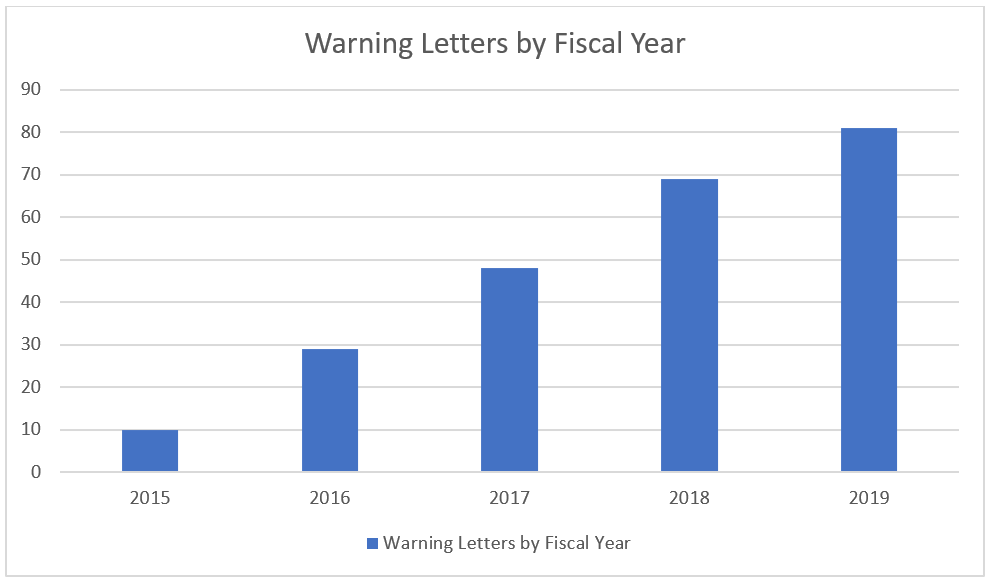 Warning letters and citations from the US FDA on the rise in the pharmaceutical industry. With approximately one in five warning letters in 2018 and 2019 mentioning 21 CFR Part 211 section 166 (Stability Testing) this part of the regulations also appears to be on the rise.
Stability testing has a key role in managing drug safety and efficacy. Learn how to create a defensible framework for stability testing in this article.
Laboratory diagnosis of COVID-19 in China: A review of challenging cases and analysis
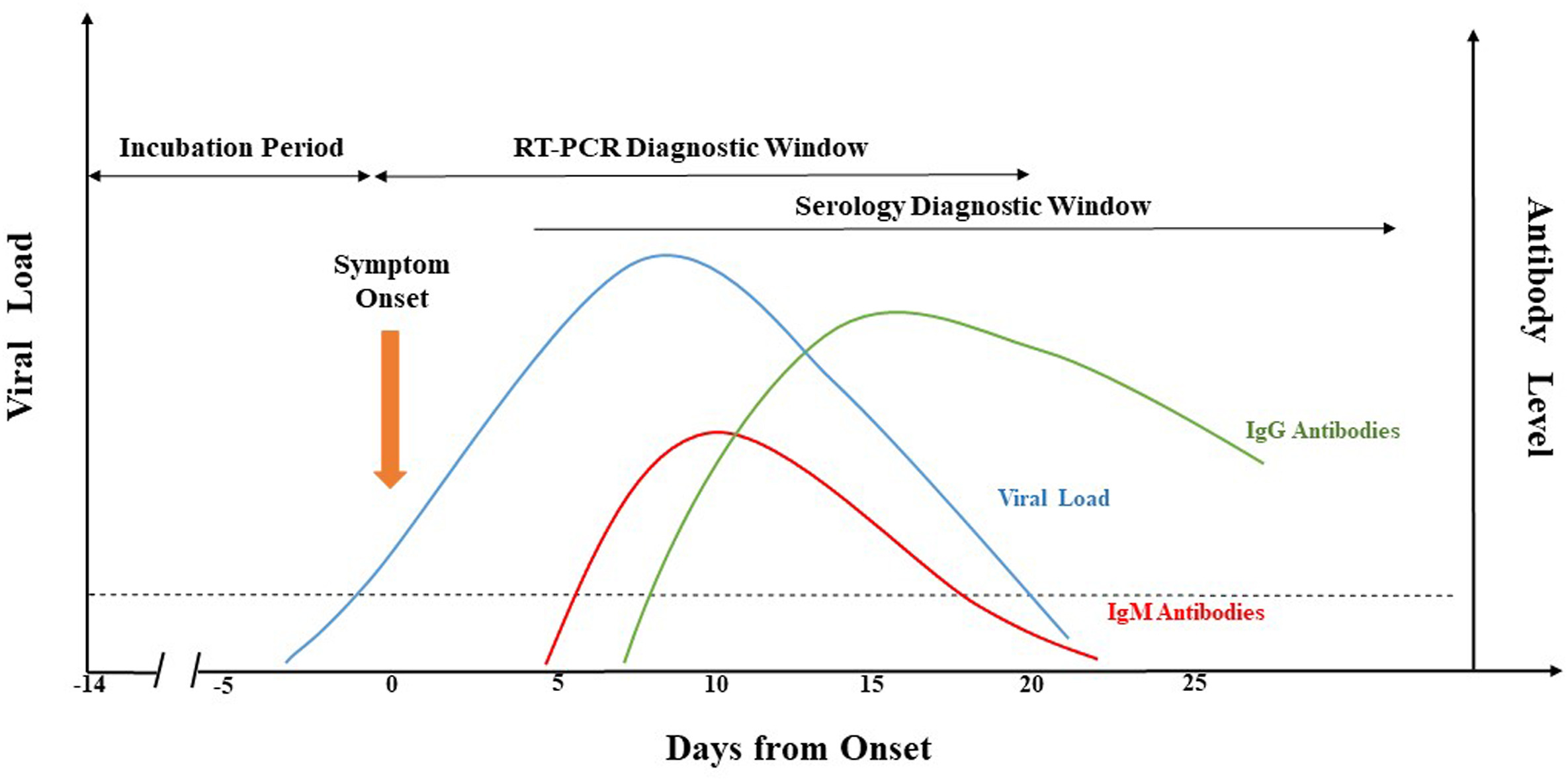 What is the current state of laboratory testing methods for SARS-CoV-2, the virus that causes COVID-19? This perspective paper from China (submitted for approval in September 2020), published in Journal of Microbiology, Immunology and Infection, analyzes and describes the latest with how laboratories in China approach testing for the virus in the human population. Jing et al. first introduce background about the pandemic, as well as the etiological characteristics and genome organization of SARS-CoV-2. Then they dive into the common molecular methods used, including qRT-PCR, LAMP, CRISPR, genome sequencing, and nucleic acid mass spectrometry. The authors then analyze the various challenges with keeping such testing consistent, categorically addressing seven areas where false-negative results arise. They close with the benefits (and drawbacks) of supplemental serological testing, before concluding "more comprehensive analysis and/or further evaluation of different diagnostic methods" is still required to improve identification rates.
Experience a Patient’s Journey throughout the Enterprise

 Integrated or standalone, Sunquest solutions extend throughout the laboratory, augmenting integration between or across systems and expanding your abilities with added connectivity, precision medicine, or laboratory and pathology depth. In a series of videos, let’s follow patient Bob through his care journey, and learn why Sunquest is the One delivering Labs to new heights – driving better patient outcomes and return on investment. [SEE BOB’S JOURNEY]
QIAGEN launches portable digital SARS-CoV-2 antigen test that can accurately analyze over 30 samples per hour
QIAGEN has started commercialization of a portable digital test in the United States that can be used by laboratories to detect SARS-CoV-2 antigens in people with active infections in 2-15 minutes.Dotmatics collaborates with LabVoice to enable voice-assisted laboratory workflows
Bishop’s Stortford, UK, and North Carolina, USA, 27 10 2020: Dotmatics Ltd, a scientific informatics software and services company that is driving the automation of laboratory data workflows for scientific discovery and innovation research, today announced a new partnership with LabVoice to provide R&D scientists with the ability to record, access, and track data within an electronic laboratory notebook (ELN) using hands-free voice assisted technology.
Thermo Scientific Axia ChemiSEM Increases Data Acquisition Speed, Simplicity for Materials Micro-Analysis
 Thermo Fisher Scientific today unveiled the Thermo Scientific Axia ChemiSEM, a cost-effective, floor-model scanning electron microscope (SEM) that takes materials micro-structural analysis and defect discovery to a new level of speed and simplicity.
Setting Up and Managing COVID and Other Public Health Risk Testing in the Workplace

There is nothing people want more right now than a return to normal. By this time most of us have had enough of this surreal “new normal” where masked people tread carefully amongst each other, avoiding nearness, spraying down surfaces, using hand sanitizer, avoiding theaters, indoor restaurants, bars, and concerts, working from home and becoming far more familiar with Zoom than they ever...
[Read More]
Lab Informatics Case Study: Informatics Roadmap for a Global Biotechnology Company

 A global biotechnology company focused on discovering and developing treatments for people living with rare metabolic diseases maintained R&D facilities around the world and had plans to develop manufacturing facilities in the near future. The organization engaged in collaborations with Universities and worked with clinical research organizations (CROs) in the testing and analysis of samples. The company had been managing its scientific data with an ELN and a variety of paper/Excel based processes and recognized the need for a long-term R&D Informatics Strategy and Roadmap aligned with the needs of their R&D activities. [Read More]
Astrix Technology Group Podcast – The Digital Transformation of the Lab
 Advances in the digital transformation of scientific labs are occurring so fast that it’s hard to keep up—as if COVID-19 hasn’t given labs enough to keep up with already. But when you consider how much these advances help researchers improve efficiencies, tap into higher-quality data and, ultimately, accelerate the launch of game-changing developments, it becomes clear that laboratories can’t afford to fall behind. [Read More]
Laboratory Informatics Weekly Update – Volume 18, Issue 46
November 17, 2020 Laboratory Informatics Weekly Update Volume 18, Issue 46 In This Issue Featured Books The Complete Guide to LIMS and Laboratory Informatics: 2020 Edition Featured Content 11/17/2020 - Experience a Patient's Journey throughout the EnterpriseIntegrated or standalone, Sunquest solutions extend throughout the laboratory, augmenting integration between or across systems and expanding your abilities with added connectivity, precision medicine, or laboratory and pathology depth. In a series of videos, let’s follow patient Bob through his care journey, and learn why Sunquest is the One delivering Labs to new heights – driving better patient outcomes and return on investment.…Utilizing connectivity and data management systems for effective quality management and regulatory compliance in point-of-care testing
In this 2020 article published in Practical Laboratory Medicine, Angela Fung of St. Paul’s Hospital and the University of British Columbia reviews how point-of-care testing (POCT) in healthcare organizations can be improved with informatics tools, as well as how those tools aid those organizations in maintaining regulatory compliance. After a brief introduction to the concept of POCT, Fung discusses how not only electronic medical record (EMR) systems and POCT devices go hand-in-hand, but also how interfacing to other systems such as laboratory information systems (LIS) and hospital information systems (HIS) reduces documentation and data entry errors. She also discusses at length the important features required of any data management system (DMS) used in combination with POCT devices, as well as the resources required to support those DMSs. Fung ends with the personnel side of POCT, and how such POCT programs could be better managed under the context of DMSs. The conclusion? "Connectivity and DMS are essential tools in improving the accessibility and ability to manage POCT programs efficiently," and " effective management of POCT programs ultimately relies on building relationships, collaborations, and partnerships" among stakeholders.Top 3 STARLIMS Features You Probably Aren’t Using, But Should!

 Congrats on implementing STARLIMS for your laboratory! This may come as a shock, but you probably aren’t using some of the great features of the LIMS, right out of the box. Like most laboratories, just getting an informatics system in place can be a tough process, forcing a lab to focus on critical items first, like sample reception, testing, and approvals. This means that other enhancements, modules, and features can be placed on the backburner or even forgotten. [Read More]

