

Data Integrity: The Importance of a Quality Culture
 Verification of data integrity is a critical part of the FDA’s mission to ensure the safety, efficacy and quality of human and veterinary drugs, biological products, and medical devices. As such, the FDA’s expectation is that all data generated to support the quality of manufactured products is both reliable and accurate.
Compliance violations involving data integrity have led to numerous regulatory actions by the FDA in recent years, including warning letters, import alerts, and consent decrees. In 2018 alone, the FDA issued 54 warning letters that had references to data integrity and data management deficiencies in pharmaceutical companies, 10 of which were in the United States. An analysis of 2018 warning letters by FDAzilla found that 45% of GMP-related warning letters issued to pharmaceutical companies based in the United States included a data integrity deficiency.
[Read More]
How LIMS Supports Food Safety Best Practices
Food and beverage providers have a great responsibility to ensure the release of safe and healthy food products to the tables of consumers. With the globalization of the food supply chain in recent years, this responsibility has grown more complex as the progression from raw materials to production and packaging involves an increased number of players. Furthermore, public demand for a wide variety of foods that are available year-round create more opportunity for error.
To read the complete blog, please visit: https://cloudlims.com/blog/how-lims-supports-food-safety-best-practices.html
Back from the ISBER 2019 Annual Meeting & Exhibits
CloudLIMS is back from the ISBER 2019 Annual Meeting & Exhibits held in Shanghai, China. For the first time, ISBER hosted its annual meeting in the Asia Pacific region. More than 700 repository professionals participated in the annual meeting.
To read the complete blog, please visit: https://cloudlims.com/blog/back-from-isber-2019-annual-meeting-and-exhibits.html
Laboratory Informatics Weekly Update – Volume 17, Issue 20
May 15, 2019 Laboratory Informatics Weekly Update Volume 17, Issue 20 In This Issue Upcoming Webinars 05/22/2019 - Prepare for a Successful LabVantage LIMS Implementation05/24/2019 - Free LABTrack Webinar – Justifying an ELN06/06/2019 - Astrix Webinar – The Importance of Strategic Planning in Laboratory Informatics Projects06/12/2019 - Ensuring ISO 17025:2017 compliance in your Laboratory06/19/2019 - Webinar: Case Studies in Lab Acquisitions—The Impact on Clinical and Lab Operations Journal Articles Developing workforce capacity in public health informatics: Core competencies and curriculum designIn this 2019 paper published in Frontiers in Public Health, Wholey et al. propose a curriculum for an effective…Developing workforce capacity in public health informatics: Core competencies and curriculum design
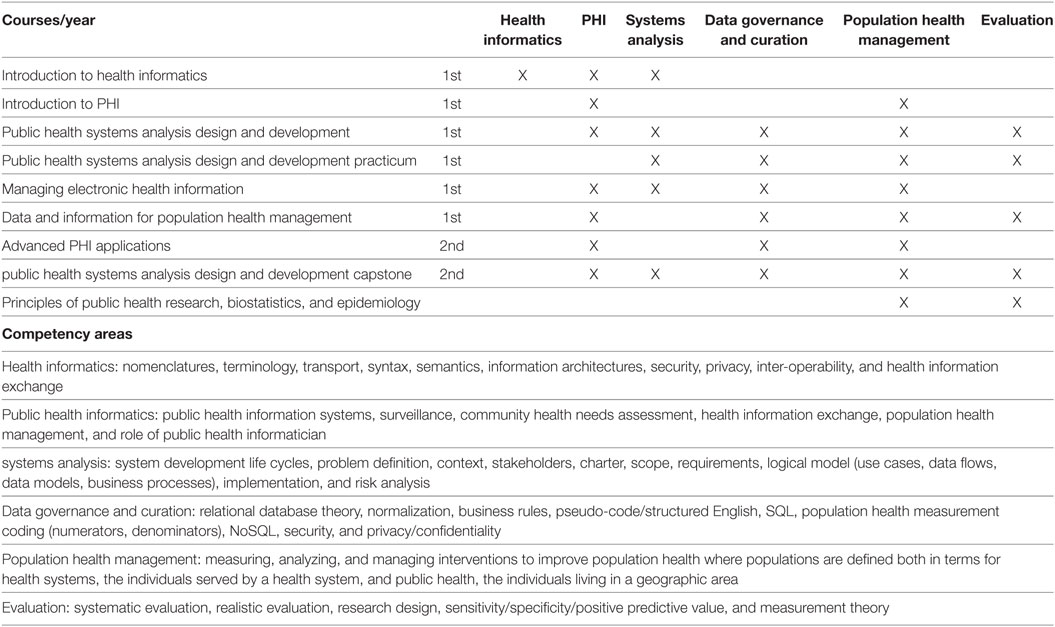 In this 2019 paper published in Frontiers in Public Health, Wholey et al. propose a curriculum for an effective and modern public health informatics (PHI) higher education program. Drawing competencies from computer, information, and organizational sciences, the researchers provide program design objectives, competencies, and challenges involved in implementing such a curriculum focused on the professional role of the informatician. Based on the information systems program of Carnegie Mellon, the authors report that their proposed curriculum has already seen success with its implementation at the School of Public Health at the University of Minnesota. They conclude that the proposed curriculum "is a starting point," keeping in mind that practices, knowledge, and technology change often, requiring program vigilance for improvement to best ensure "an effective and relevant workforce that can navigate the changing trends of public health to improve population health."
Meeting the Challenges of a Multi-Generational Workforce
Due to the 75 million strong Baby Boomer generation reaching retirement age, a wide range of industries in the United States are currently experiencing labor shortages. Combine this with the fact that, for a variety of reasons, many Baby Boomers are delaying their retirement and you have a recipe for significant generational diversity in the modern American workplace. It is not uncommon these days for a 20-year-old new hire to work with colleagues 50+ years their senior. Many companies are, in fact, now employing a workforce that spans four different generations.
[Read More]
Laboratory Informatics Weekly Update – Volume 17, Issue 19
May 8, 2019 Laboratory Informatics Weekly Update Volume 17, Issue 19 In This Issue Upcoming Webinars 05/22/2019 - Prepare for a Successful LabVantage LIMS Implementation05/24/2019 - Free LABTrack Webinar – Justifying an ELN06/06/2019 - Astrix Webinar – The Importance of Strategic Planning in Laboratory Informatics Projects06/12/2019 - Ensuring ISO 17025:2017 compliance in your Laboratory06/19/2019 - Webinar: Case Studies in Lab Acquisitions—The Impact on Clinical and Lab Operations Journal Articles Assessing cyberbiosecurity vulnerabilities and infrastructure resilienceHere is one more journal article on the topic of cyberbiosecurity, this time discussing related vulnerabilities and the need for a resilient infrastructure to limit…Assessing cyberbiosecurity vulnerabilities and infrastructure resilience
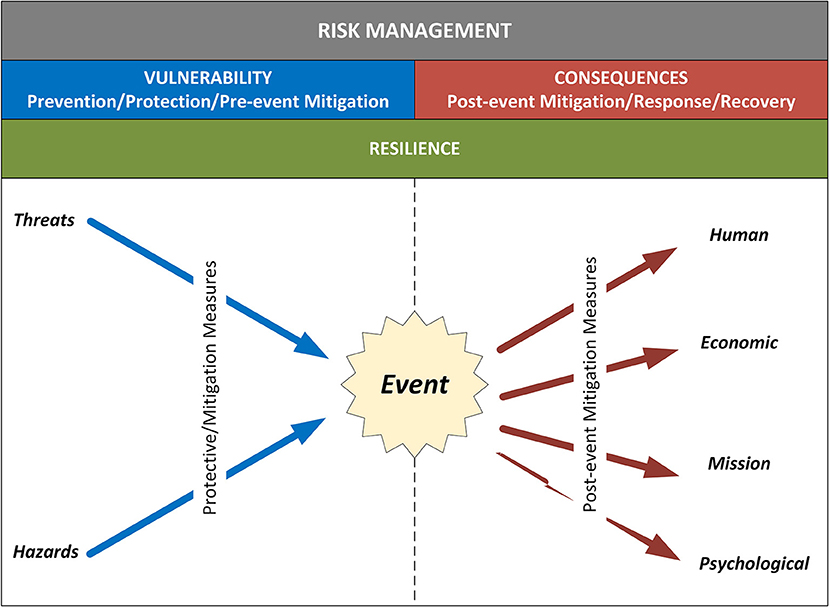 Here is one more journal article on the topic of cyberbiosecurity, this time discussing related vulnerabilities and the need for a resilient infrastructure to limit them. Schabacker et al. of the Argonne National Laboratory present a base "assessment framework for cyberbiosecurity, accounting for both security and resilience factors in the physical and cyber domains." They first discuss the differences between "emerging" and "converging" technologies and how they contribute to vulnerabilities, and then they lead into risk mitigation strategies. The authors also provide clear definitions of associated terminology for common understanding, including the topics of dependency and interdependency. Then they discuss the basic framework, keeping vulnerabilities in mind. They close with a roadmap for a common vulnerability assessment framework, encouraging the application of "lessons learned from parallel efforts in related fields," and reflection on "the complex multidisciplinary cyberbiosecurity environment."
Highlights from the 2019 Bio-IT World Conference & Expo
Since its inception in 2002, the annual Bio-IT World Conference & Expo has become a premier event for showcasing the wide-array of IT and informatics applications and enabling technologies that drive biomedical research, drug discovery & development, and clinical and healthcare initiatives.
[Read More]
LIMS and ELN Planning: Having the Right Non-Laboratory Team Members
 This blog post is part of an on-going series about the LIMS and ELN implementation journey, specifically the Do’s and Don’ts of the implementation planning phase. Today’s post discusses who should be on your project team from outside the lab. We’ll take a look at who should be on the team and some of the activities they should complete.
[Read More]
What is a Biobank?
A biobank is the centralized source of high-quality human biological specimens. Biobanks are often called biorepositories, however, there exists a fine distinction between the two. A biorepository involves the collection of plants, animals and other non-human samples; whereas a biobank mainly store biological samples obtained from humans. Biobanking is the process of collecting, storing and distributing human biological samples and related data for clinical research purpose.
To read the complete blog, please visit: https://freelims.org/blog/what-is-a-biobank.html





